
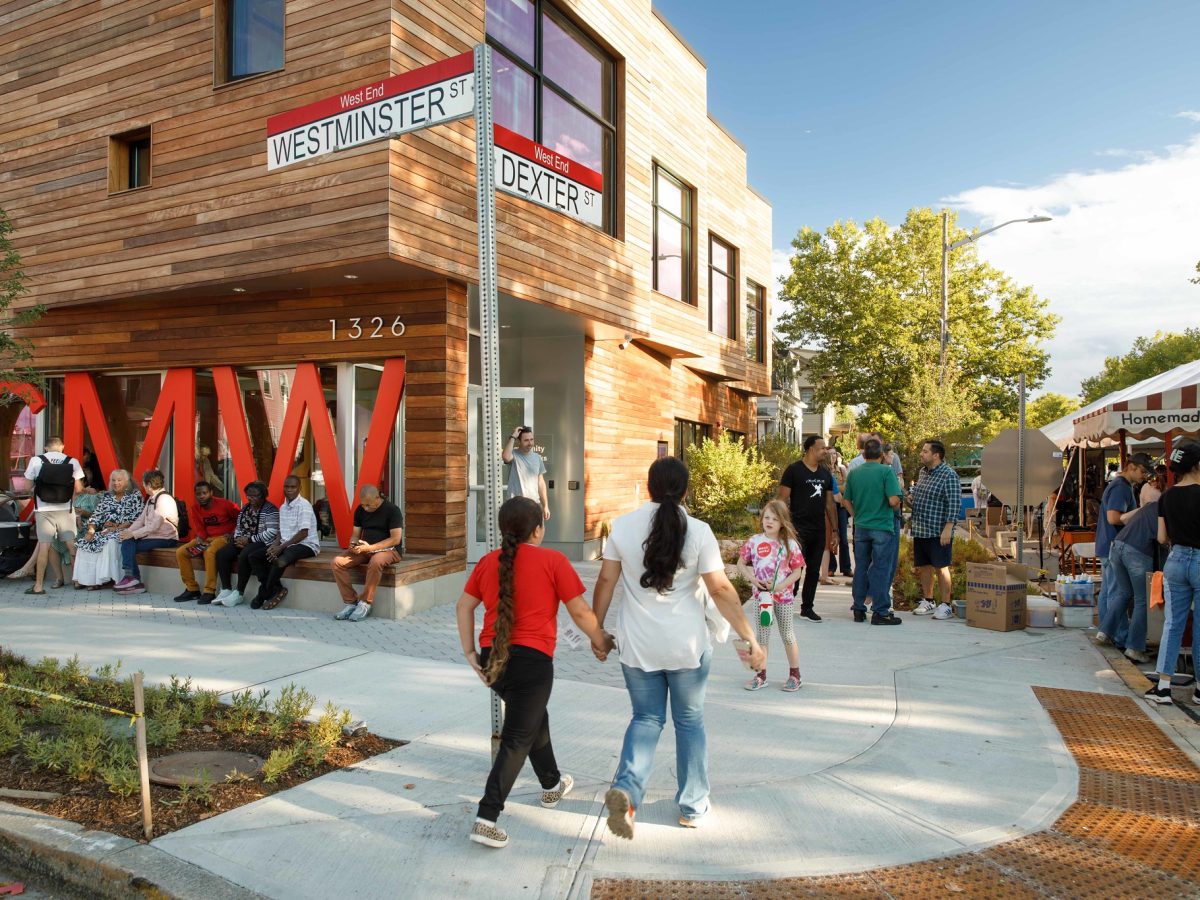

On a recent Saturday, a group of grade-school aged children wearing red t-shirts lined up on the sidewalk on Westminster Street in the West End of Providence. They were outside of two empty storefronts that used to hold Community MusicWorks. The youngest children were at the front carrying small drums and mallets. They were followed […]

James Baumgartner
James produces and engineers Political Roundtable, The Weekly Catch and other special programming on The Public’s Radio. He also produces Artscape, the weekly arts & culture segment heard every Thursday. His favorite part of the job is talking with artists, musicians and other creators about their process and what inspires them.
James learned the basics of audio editing while studying music at Missouri State University. He went on to get a Master of Fine Arts in Electronic Art at Rensselaer Polytechnic Institute where he created electronic music, video art and internet-based media art. While at RPI, James went on the air for the first time, hosting an electronic music show on Rensselaer's station, WRPI, but his love of radio came from staying up late so he could hear punk rock on KKFI, the community radio station in Kansas City, Missouri.
Posted inArts And Culture, Politics, The Weekly Catch
How CVS changes may affect RI, constitutional convention controversy, and more


This week, CVS Health announced it will be laying off nearly 3,000 employees nationwide, and is exploring breaking up parts of its business. We’ll talk about how these changes may affect the state and its Woonsocket-based headquarters. Also, there are five questions for Rhode Island voters on this year’s ballot. This week we’ll look at question one: should the state host a constitutional convention? We’ll break down what that would mean, and why it’s become such a hot topic across the political spectrum. And the local theater season is ramping up. We’ll talk about some of the most exciting plays coming up this fall. That and more on this week’s show.

Posted inEducation, Labor, The Weekly Catch
Child labor law violations in Fall River, behind the failed Star Store-UMass Dartmouth deal, and more
A seafood processing plant in Fall River is at the heart of a new lawsuit that claims the plant employed underage migrant workers – and says the teens were exposed to potentially dangerous conditions. The suit comes a year after an investigation by The Public’s Radio into possible child labor violations at seafood processors in New Bedford. Also, a year after UMass Dartmouth abruptly closed its arts campus at the Star Store in New Bedford, an investigation by the Massachusetts Inspector General gives us a clearer picture of what exactly happened and who’s to blame. And we hear a studio session with Providence-based jazz combo, the Leland Baker Trio. That and more on this week’s show.
Posted inArts And Culture, Artscape
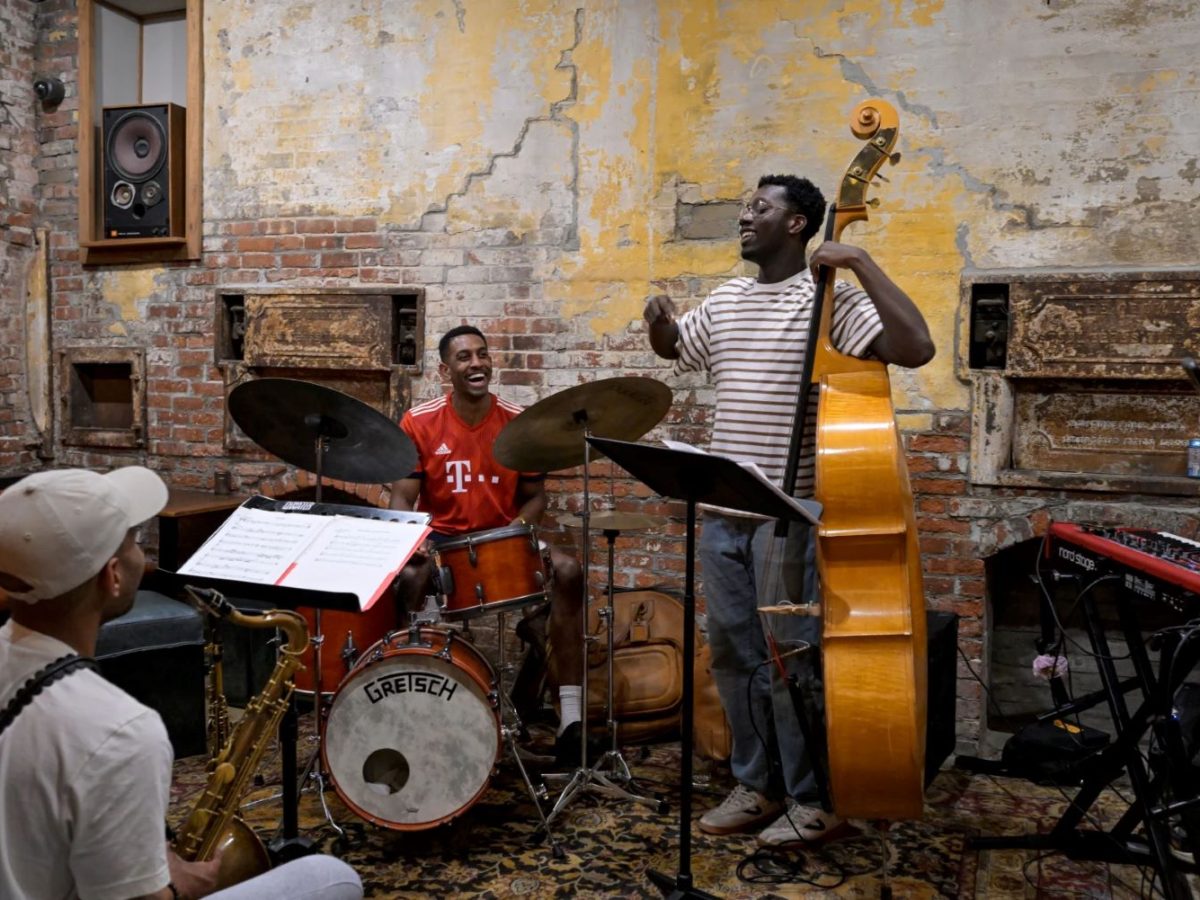
Studio Session: The Leland Baker Trio’s ‘sacred language’ of jazz and blues
Saxophonist, composer and music educator Leland Baker studied jazz in New Orleans and New York before coming back home to Rhode Island. Since then he’s established a residency at the Courtland Club in Providence, performed at the Newport Jazz Festival – and he hopes to use his position as music education manager with the Newport Festivals Foundation to build musical mentorships like those he experienced in Louisiana.

Posted inBusiness, Shoreline Access, The Weekly Catch
What the loss of Hasbro would mean for Rhode Island, Westerly taxpayers call for new town solicitor, and more
What would it mean if Hasbro left Rhode Island? News broke this week that the company is considering moving their headquarters to the Boston area. Political Reporter Ian Donnis talks about what’s at stake. Also, Westerly’s town solicitor is facing scrutiny over work related to the Watch Hill Lighthouse, which was transferred in January to a private nonprofit amidst public outcry. Our South County Bureau reporter Alex Nunes gives us an update. And we talk to the co-creators of “Scandalous Conduct: A Fairy Extravaganza,” a musical documentary inspired by the Newport Navy sex scandal of 1919. That and more coming on this week’s show.
Posted inArts And Culture, Artscape
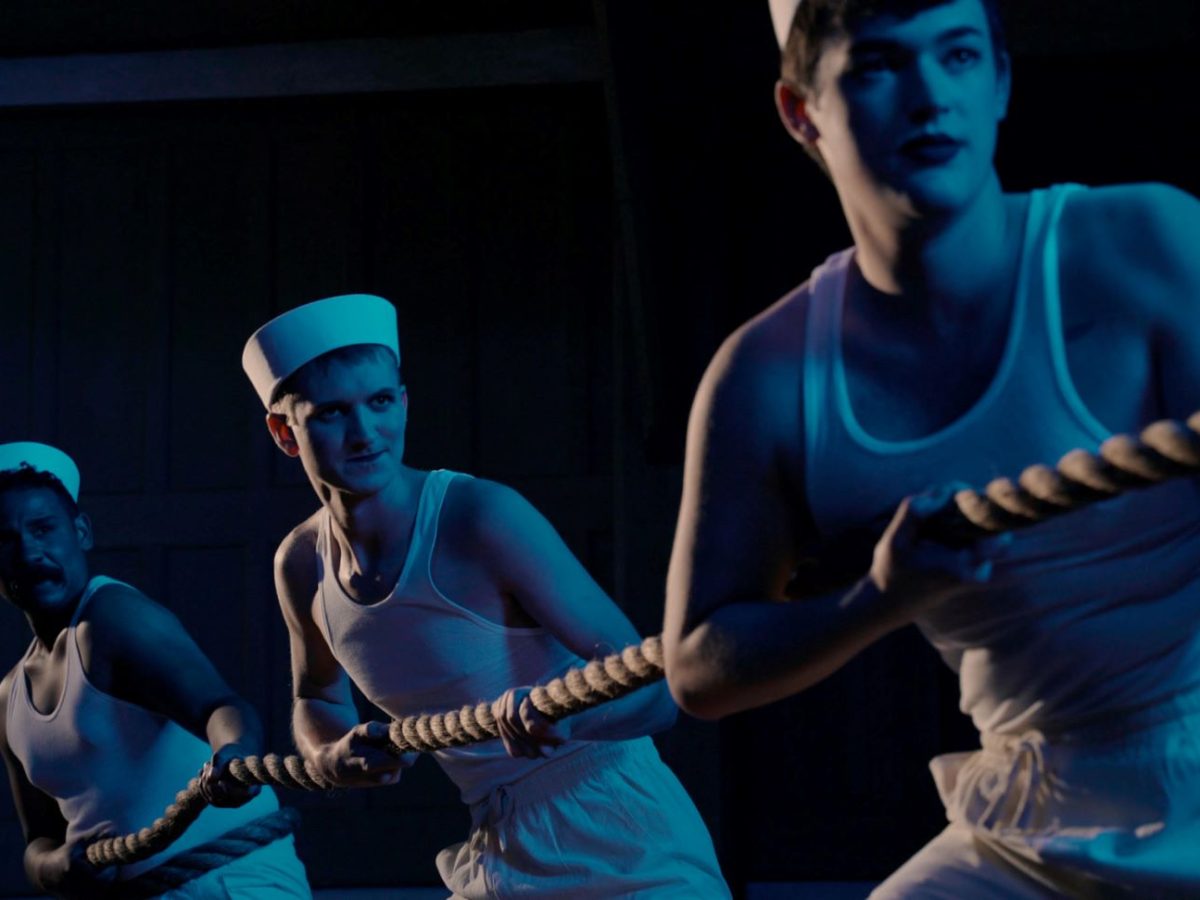
‘Scandalous Conduct’: Telling the queer history behind the Newport Navy sex scandal of 1919
A new musical documentary by Jason Tranchida and Matthew Lawrence features transcriptions of the Navy’s 1919 investigation into homosexual activity by sailors in Newport, along with music from a vaudeville drag show that was going on right down the street.
Posted inEducation, Housing, The Weekly Catch
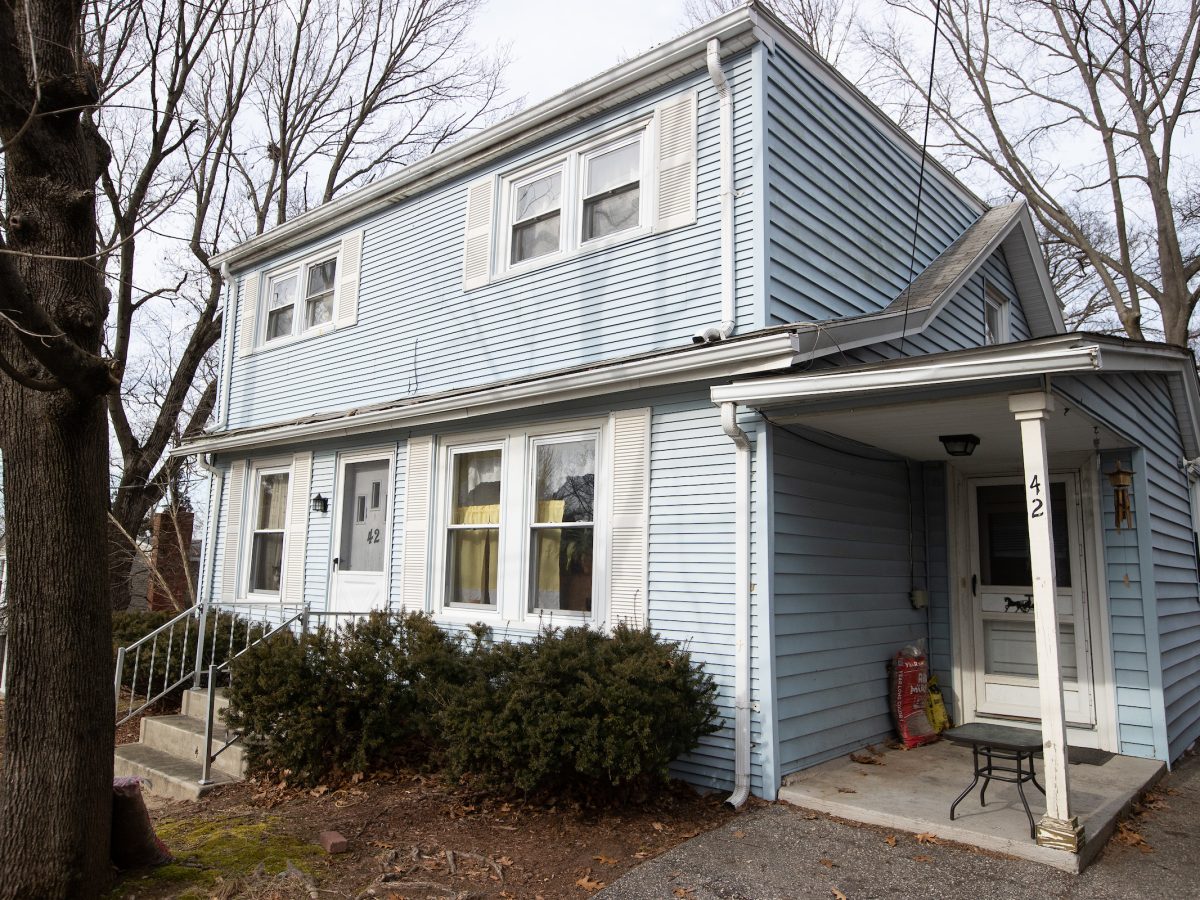
Remembering Alan Shawn Feinstein, Woonsocket homeowners regain protections, and more
For years Woonsocket homeowners didn’t have the same foreclosure prevention tools as the rest of Rhode Island. After an investigation by The Public’s Radio, that is finally changing. Our Nina Sparling will give us the update. Also, Alan Shawn Feinstein had a profound impact on the lives of thousands of young people in the Ocean State. We’ll meet a couple of them in a remembrance of one of Rhode Island’s most prolific philanthropists. And affordable live/work housing for artists in Providence is a rarity these days. So, where do artists live and work today? And when housing is so scarce for everyone, why is it important to have affordable spaces for artists? That and more on this episode of The Weekly Catch.
Posted inArts And Culture, Artscape
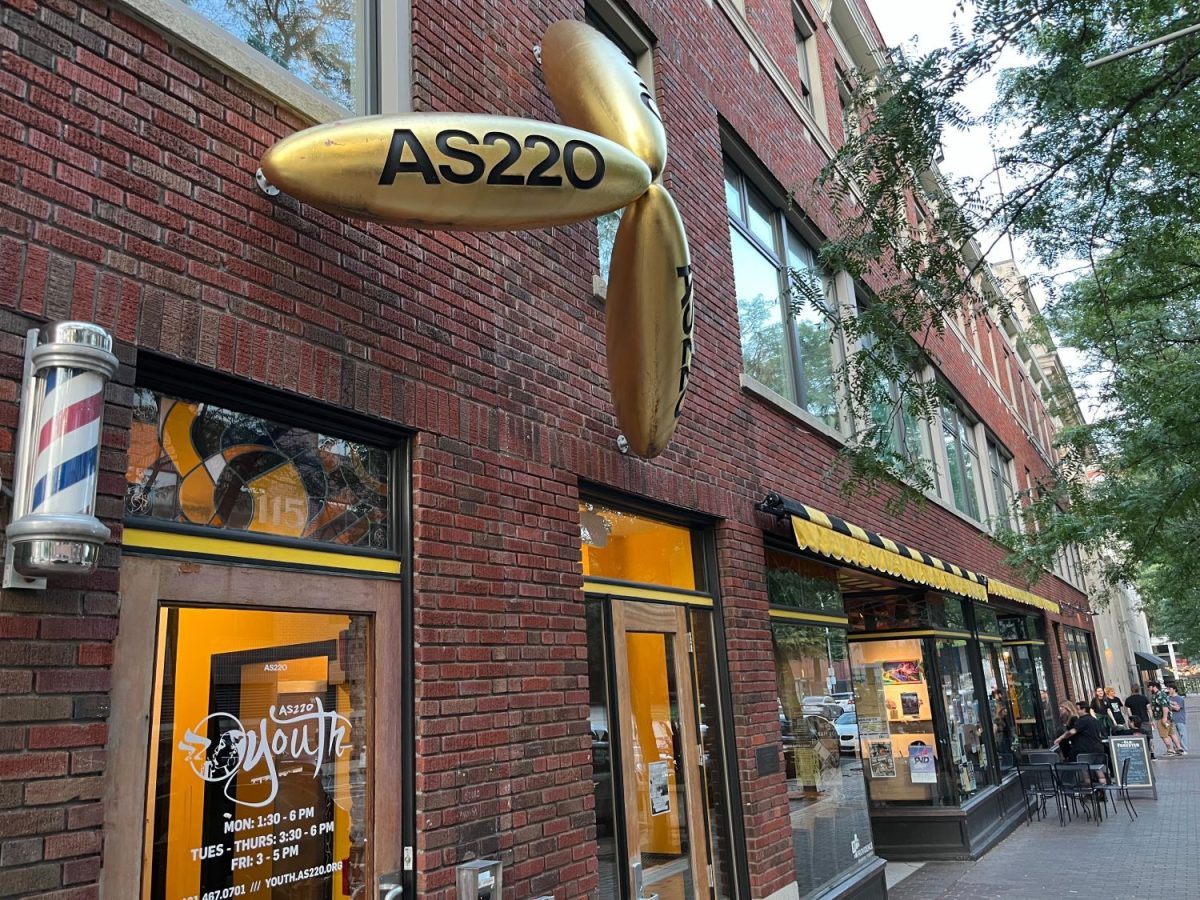
Live/work: How the housing shortage threatens Providence’s identity as the ‘creative capital’
The old mill buildings of the Olneyville and Valley neighborhoods in Providence were once the home to hundreds of artists. Back in the 1990s, space was cheap in the old mills and many artists were happy to live and work in these run-down post-industrial spaces. But starting in the early aughts, artists faced evictions as many of those buildings were torn down or converted to luxury loft apartments or condos. So what’s available now?
Posted inArts And Culture, Artscape, Housing
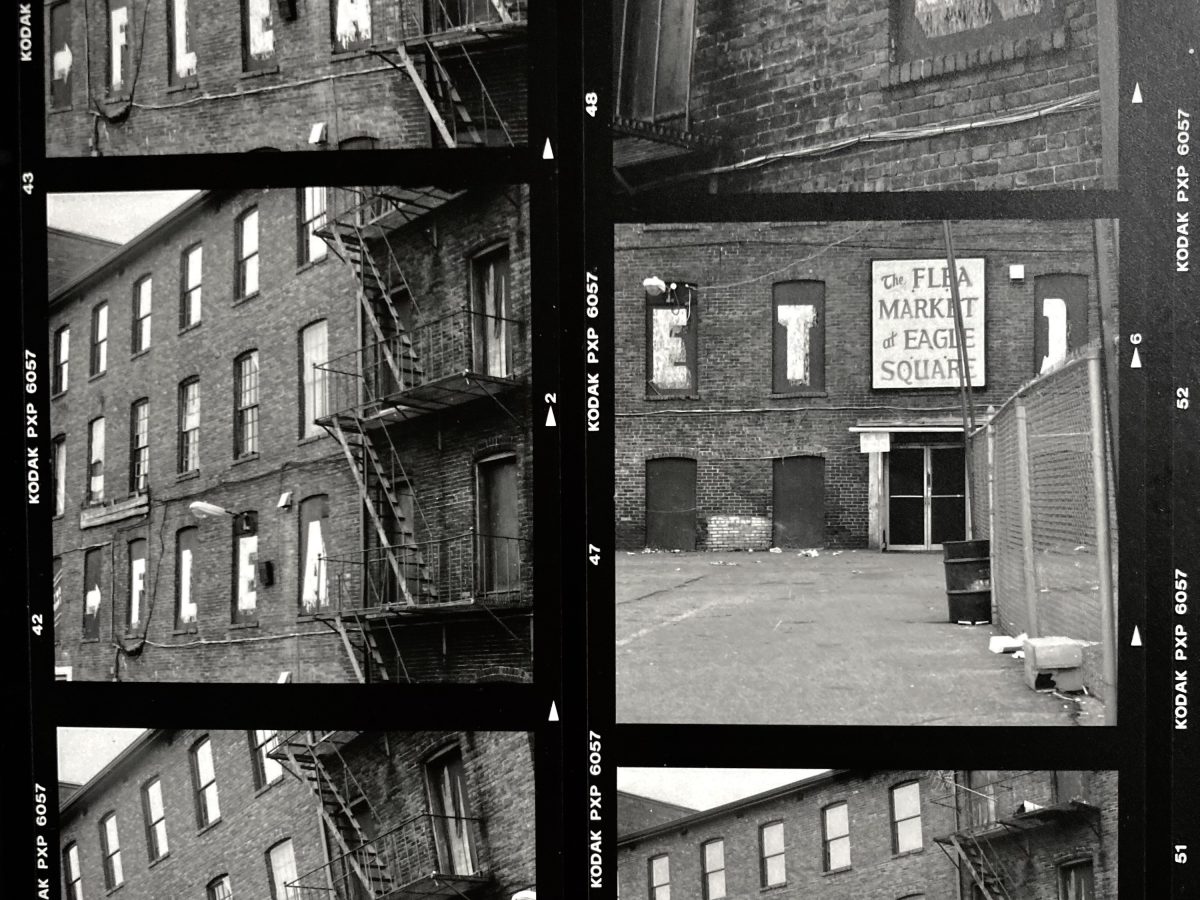
Live/work: How old mill buildings shaped Providence’s 90s art renaissance
Back in the 1990s, Providence was home to a thriving community of artists. One of the things that made it possible was the ample affordable live/work spaces artists found in the old mill buildings of the city’s industrial past. With many of those buildings gone and little affordable housing to spare, can Providence hold onto its reputation as a cultural capital?
Posted inHousing, The Weekly Catch
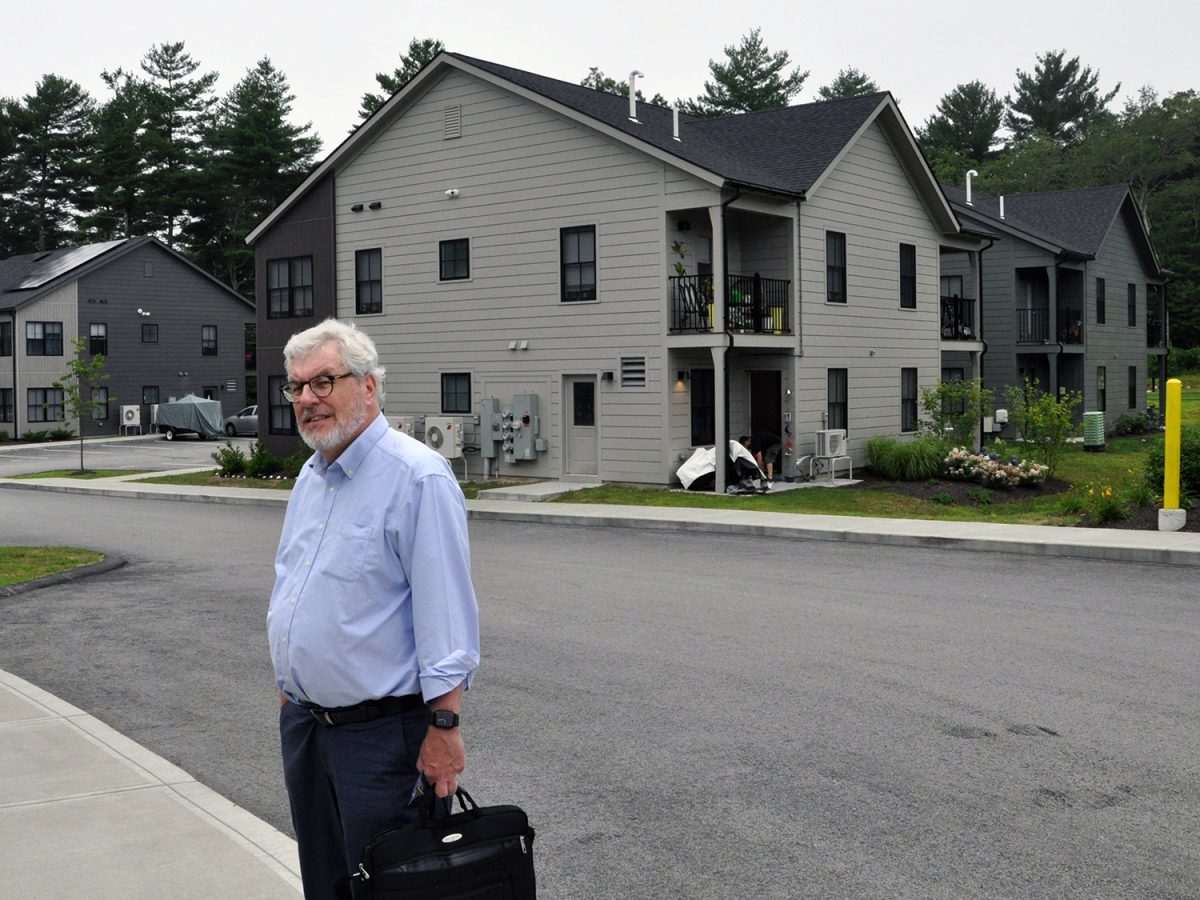
How zoning stifles housing production in Rhode Island, a celebration of Guatemalan culture, and more
Rhode Island has faced a housing shortage for decades, and despite efforts to address it, the problem is getting worse. Today, thousands of people in Rhode Island are homeless, thousands more homeowners and renters are living in unsecure conditions, and home prices continue to skyrocket. The state needs to build more housing, but one of the biggest factors stifling that process is zoning. It’s the focus of our new series, Zoned Out. Also, we visit New Bedford’s Patio de Comidas, a summer-long celebration of Central American cuisine. It culminates this weekend with the Festival Tipico de Guatemala. Plus: A look back on the week in Rhode Island politics with political reporter Ian Donnis, and our picks for what to do this week.