


Where does an agnostic find hope in the face of the injustice of the world? And what happens when that agnostic starts hearing the voice of god in the rain? These are just a few of the themes of the radio play “God Talks to an Agnostic.” Written and directed by Don Mays the play explores the complicated role of the Black church in the life of a person struggling with their spirituality. The third season of “God Talks to an Agnostic” airs this weekend. Artscape producer James Baumgartner talked with Don earlier this week.

James Baumgartner
James produces and engineers Political Roundtable, The Weekly Catch and other special programming on The Public’s Radio. He also produces Artscape, the weekly arts & culture segment heard every Thursday. His favorite part of the job is talking with artists, musicians and other creators about their process and what inspires them.
James learned the basics of audio editing while studying music at Missouri State University. He went on to get a Master of Fine Arts in Electronic Art at Rensselaer Polytechnic Institute where he created electronic music, video art and internet-based media art. While at RPI, James went on the air for the first time, hosting an electronic music show on Rensselaer's station, WRPI, but his love of radio came from staying up late so he could hear punk rock on KKFI, the community radio station in Kansas City, Missouri.
Posted inCriminal Justice, Politics, The Weekly Catch
For some lawmakers, LEOBOR reform doesn’t do enough to address police misconduct


The death of George Floyd in 2020 shined a light on the issue of police misconduct and use of force. Here in Rhode Island, there’s been an effort to reshape how we deal with this problem by changing LEOBOR – the Law Enforcement Officers’ Bill of Rights. This week, Gov. McKee signed into law a bill that marks the first reforms to LEOBOR since its creation in 1976. But some believe it doesn’t go far enough. Also, attempts to reform the state’s Coastal Resources Management Council failed again this legislative session. And we meet artist Bob Dilworth, whose brilliantly textured and colorful paintings earned him a Pell Award this week from Trinity Rep. That and more on this week’s show.
Posted inArts And Culture, Artscape
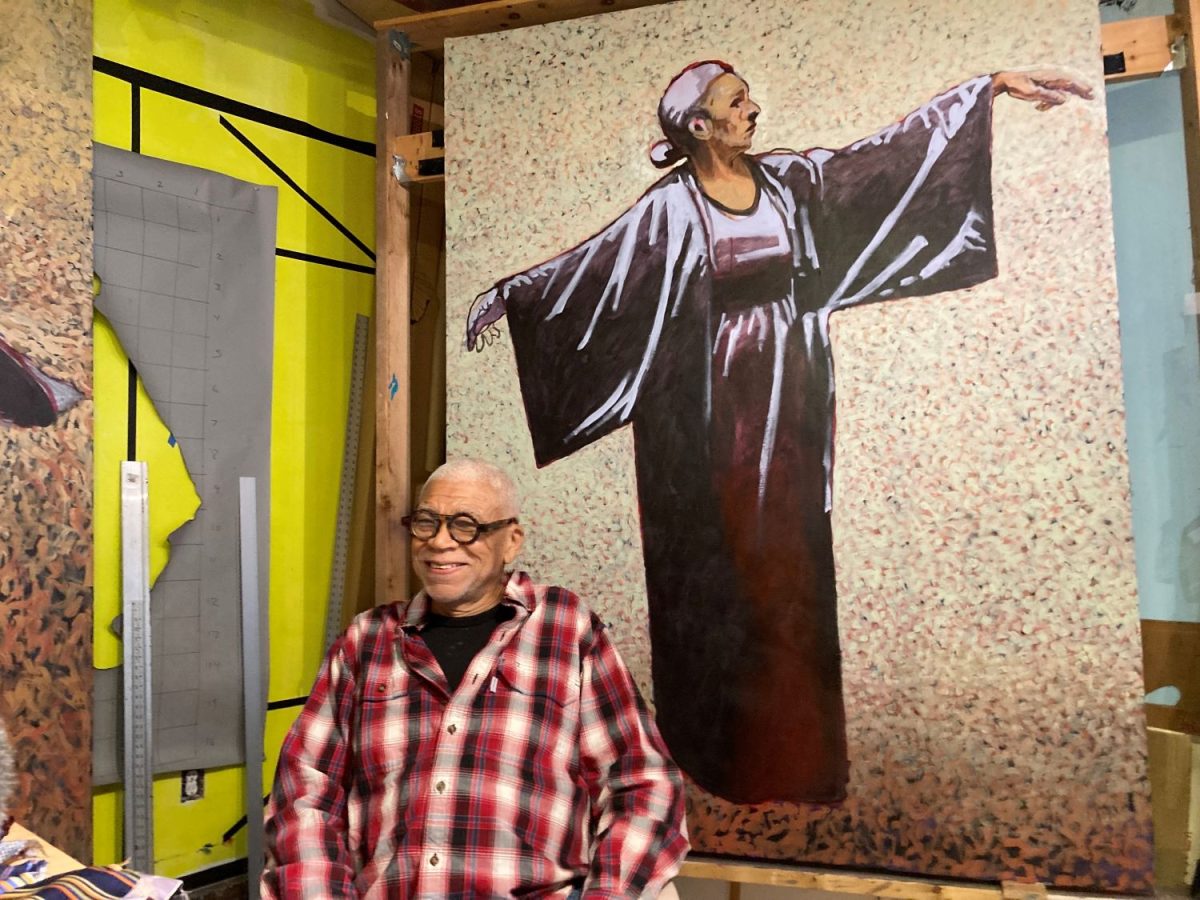
Artist Bob Dilworth, known for his vibrant, joyful paintings, is honored at 25th Pell Awards
The recently-retired URI professor was honored this week with the Rhode Island Pell Award for excellence in the arts. Artscape producer James Baumgartner visited Dilworth in his studio in Providence for this profile. Bob Dilworth has been drawing and painting since he was a child growing up in Lawrenceville, Virginia in the 1950s and 60s. The art teacher at a local HBCU encouraged Dilworth to apply to the Rhode Island School of Design, and after studying painting there, he went on to teach a few different places, before coming back to Rhode Island in the early 90s.
After teaching at URI for nearly 30 years, Dilworth retired in early 2020. But he hasn’t slowed down. I met with him in his garage studio in a quiet corner of Providence where he paints for 10-14 hours a day. Dilworth had several paintings in progress on canvasses 6-8 feet tall. Most of his paintings are portraits, more or less life-sized, and he describes the subjects as his community: his friends in Rhode Island, and people from his hometown.
Posted inEconomy, Environment, The Weekly Catch
What’s in, what’s out of Rhode Island House budget, Newport debates fate of Easton’s Beach, and more
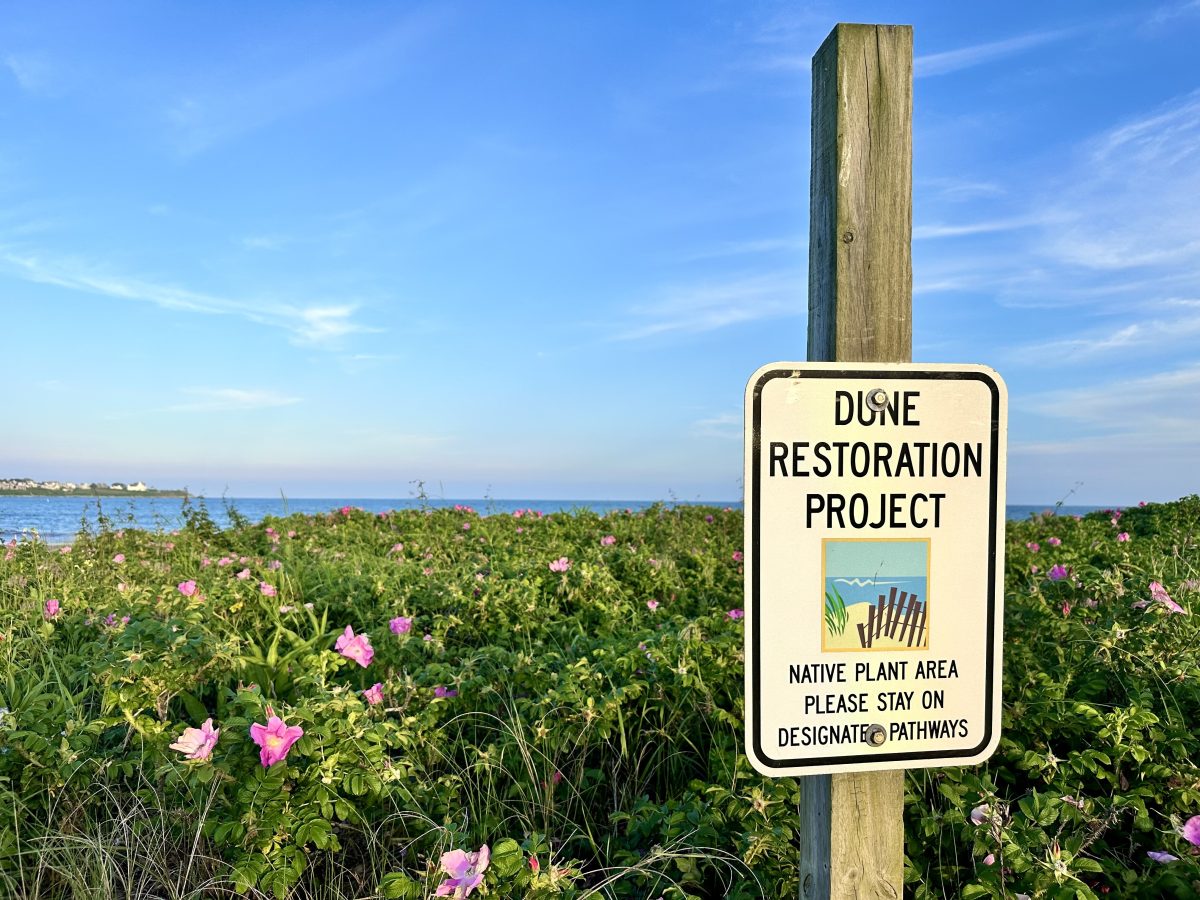
The debate over this year’s budget is underway in the Rhode Island House. With federal COVID-19 relief money running out, lawmakers have some tough decisions to make. Our own Ian Donnis and the Boston Globe’s Dan McGowan join us to discuss the likely winners and losers in this year’s budget. Also, Easton’s Beach – the only public beach in Newport – is disappearing. After extensive damage from three severe storms this winter, local leaders and residents are debating how to preserve the beach, or whether to save it at all. And a new exhibit at the Newport Historical Society centers the stories of the city’s Black residents from the 17th-19th centuries. That and more on this episode of The Weekly Catch.
Posted inEnvironment, Politics, The Weekly Catch
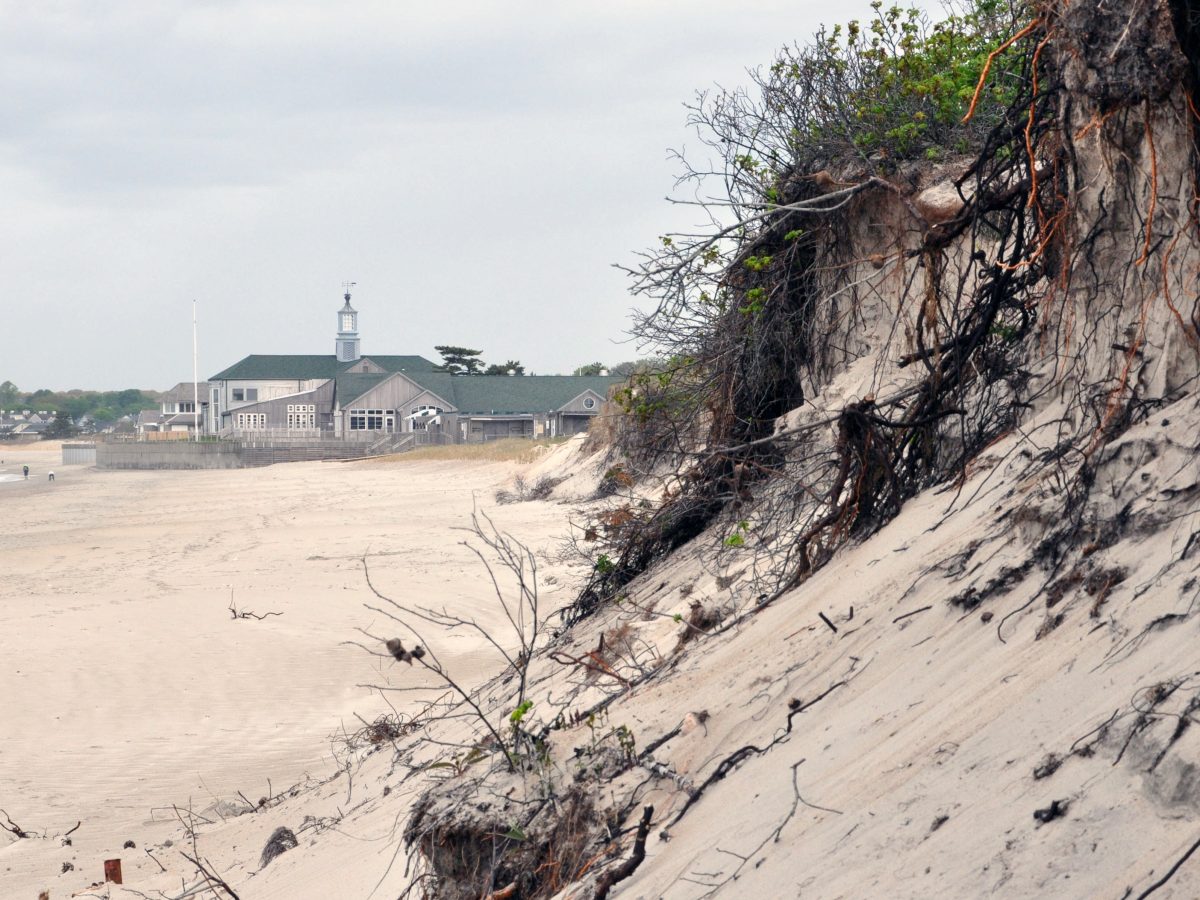
Rising seas and severe storms are eroding our coastline. How are local leaders and communities responding?
New England beaches and coastlines are changing. With climate change bringing higher sea levels and more intense storms, some beaches are being pushed back by many feet – and others disappearing completely. Our new series, Washout: Our vanishing beaches, launched this week and takes a deeper look into the issue. We hear about some of the ways Rhode Island’s local and state leaders are responding, and meet a photographer who’s been documenting the region’s changing coastline for 50 years. Plus, later in the program, a studio session from Providence musician J. Mamana, who explores grief and hope on his new album, “For Every Set of Eyes.” That and more on this week’s show.
Posted inArts And Culture, Artscape, Local
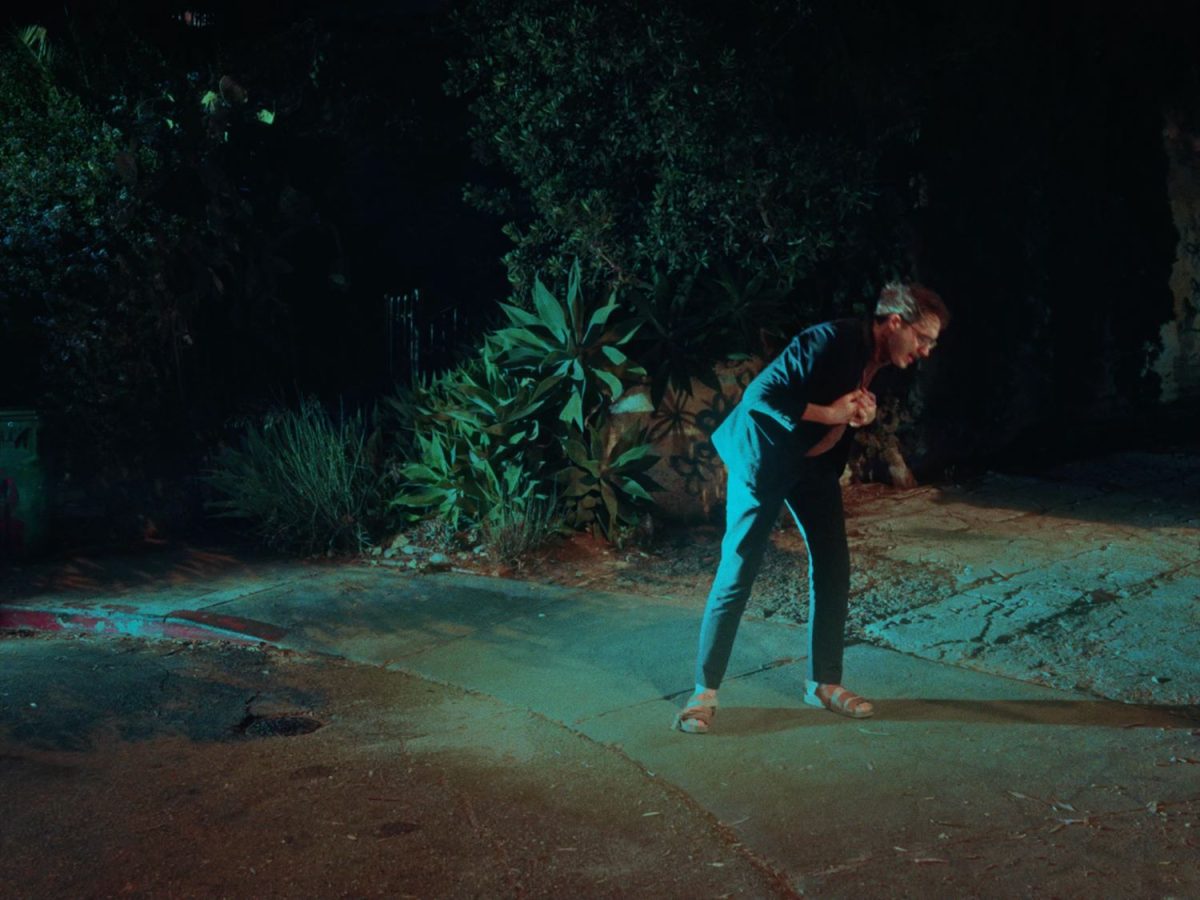
Studio Session: J. Mamana looks inward with hope and grief on ‘For Every Set of Eyes’
Providence musician J. Mamana has a new album coming out this summer called “For Every Set of Eyes.” It draws on influences that range from Neil Young to Mahler and Schumann. Mamana lost two of his closest friends in recent years, and through making the album, he found a way to process his grief.
Posted inArts And Culture, Local
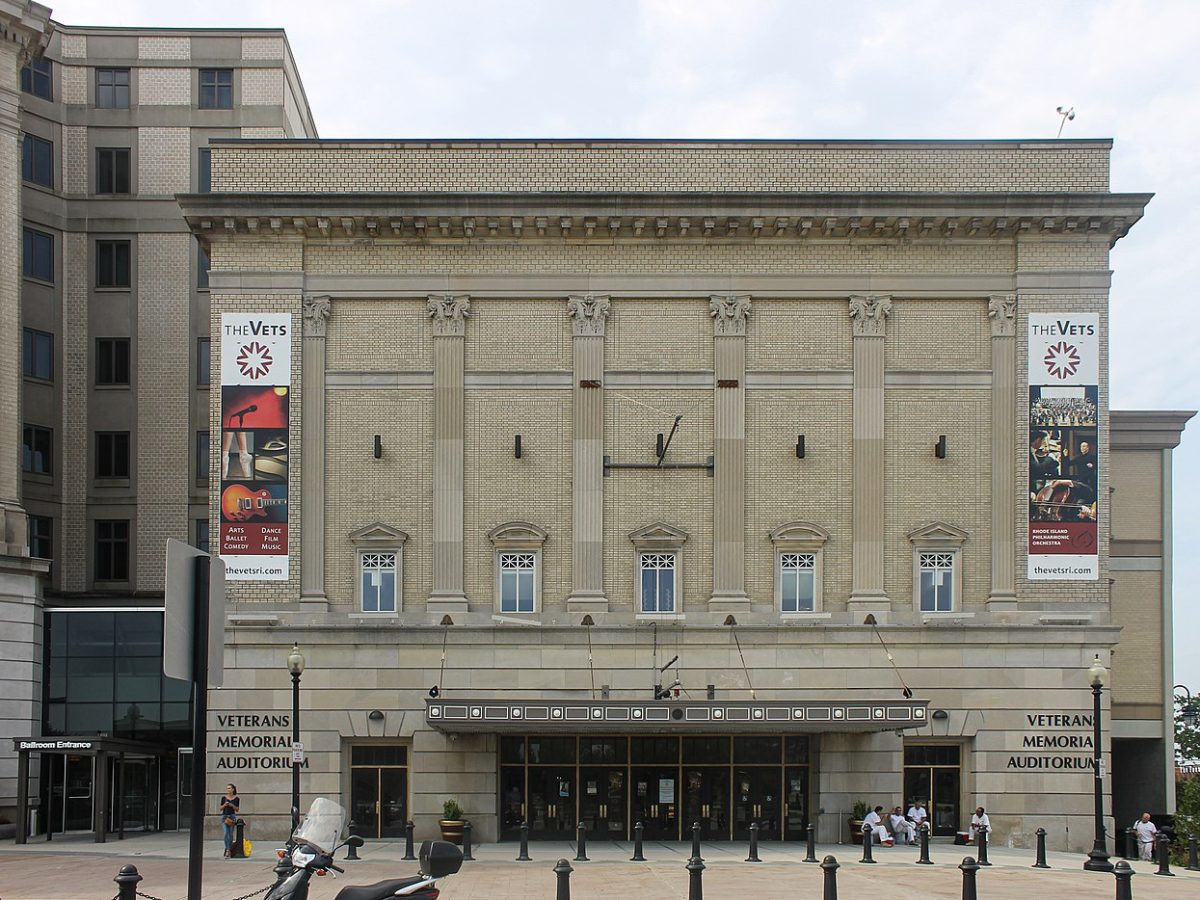
RI Coalition for the Arts ask for ARPA funds to help rebuild from the pandemic
Although attendance is coming back, donations have been flat or decreased, expenses have gone up due to inflation…and some venues have closed. Some states have used federal COVID relief money from the American Rescue Plan (ARPA) to help shore up their arts nonprofits. Now the Rhode Island Coalition for the Arts has proposed something similar […]
Posted inHealth, Housing, The Weekly Catch
Supreme Court to decide how cities can respond to homelessness, Brown faculty call for reform, and more
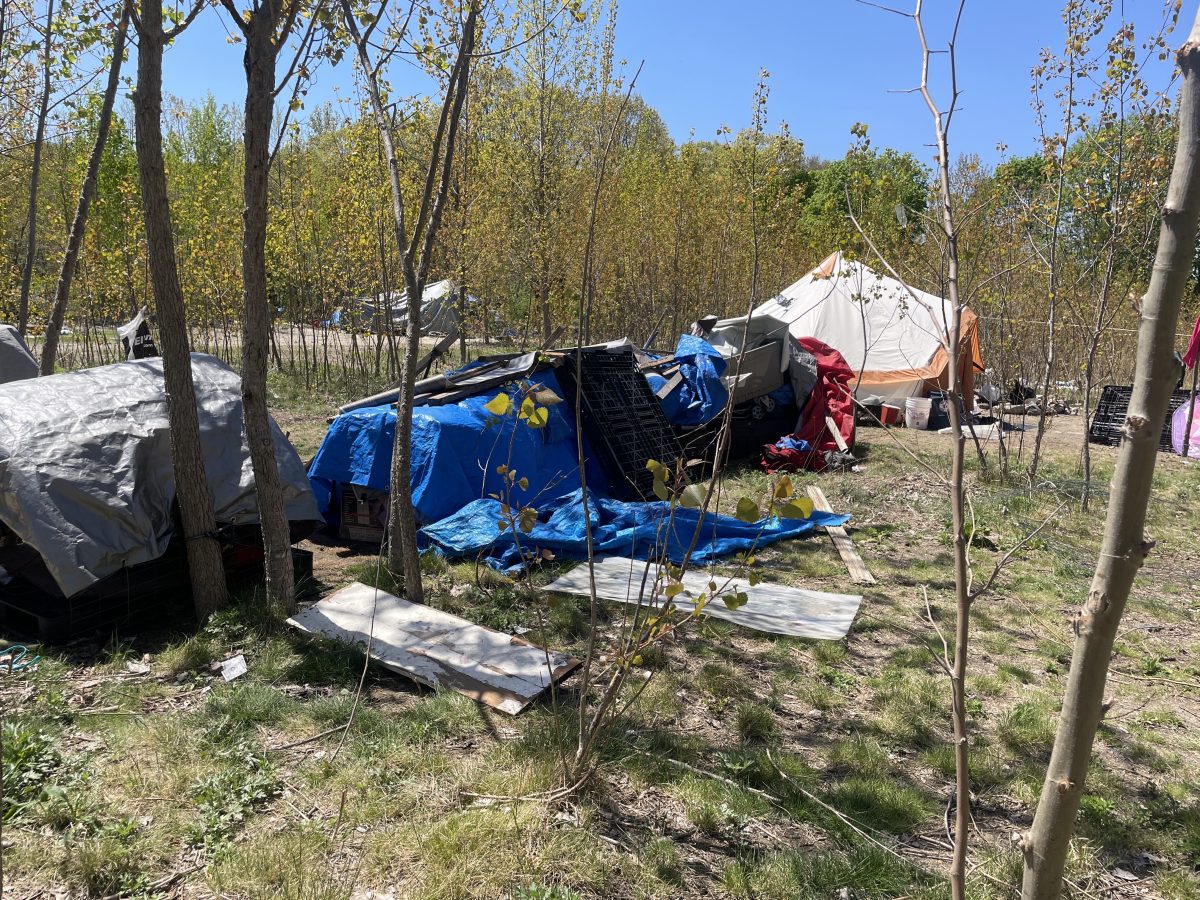
Last week, police shut down two homeless encampments in Providence. We hear about a U.S. Supreme Court case that could change how cities across the country work with homeless communities. Also, a few professors who visited the pro-Palestine encampment at Brown University received letters threatening faculty discipline. Some are calling for institutional reform to protect academic freedom. And we hear from Marty Sinnott, CEO of a child advocacy nonprofit, who for years has been sounding the alarm on Rhode Island’s overloaded child welfare system. Plus, we take you on a journey through some of the rare books, art and history at the Providence Athenaeum. That and more on this week’s show.
Posted inEnvironment, Health, Local, The Weekly Catch
Federal investigation of DCYF, local hunters group advocates banning captive hunting, and more
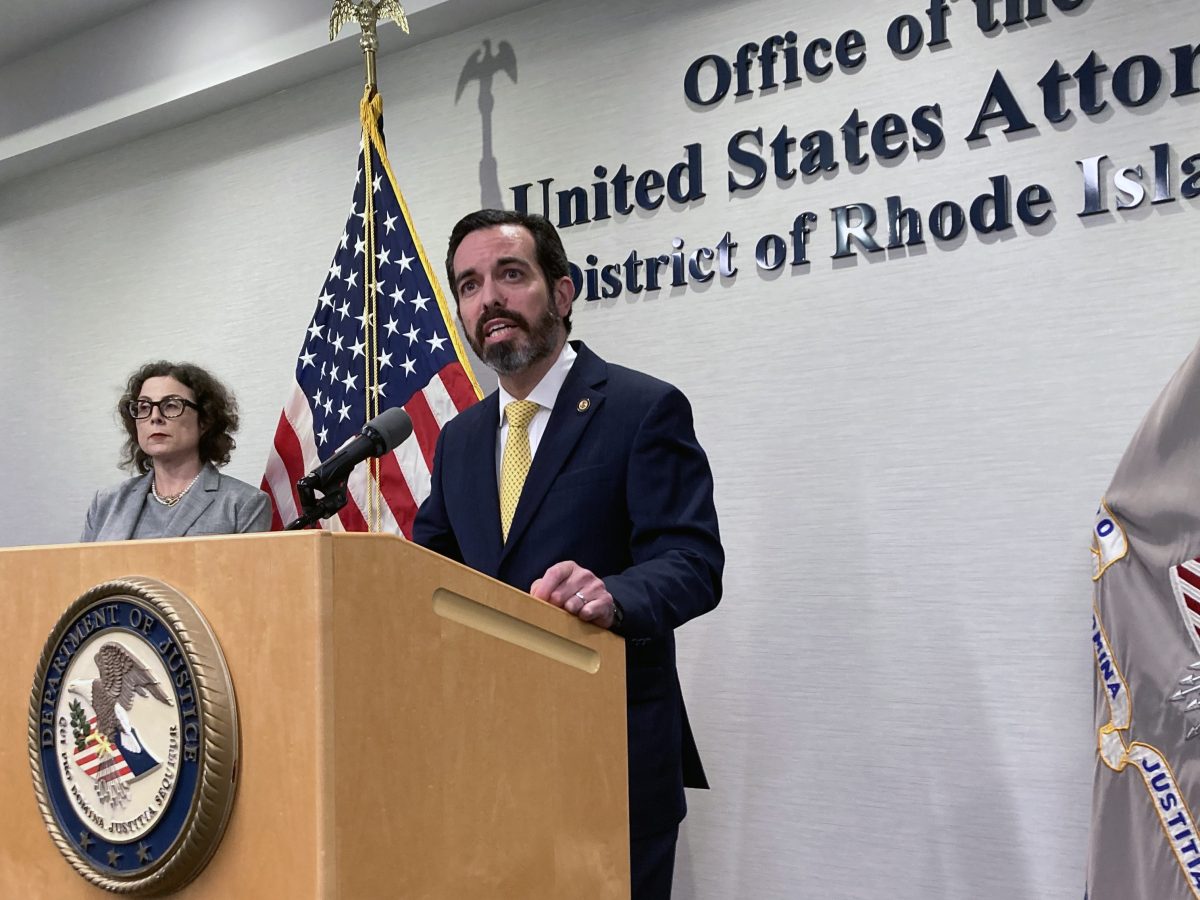
Bradley Hospital is in the news this week. The U.S. Justice Department alleging the state’s child welfare agency is violating the civil rights of children with behavioral and developmental disabilities by keeping them hospitalized long after their treatments have ended. We’ll talk to a reporter who’s been following the story for years. Also, we’ll find out more about proposed legislation to ban hunting captive wild animals in Rhode Island.
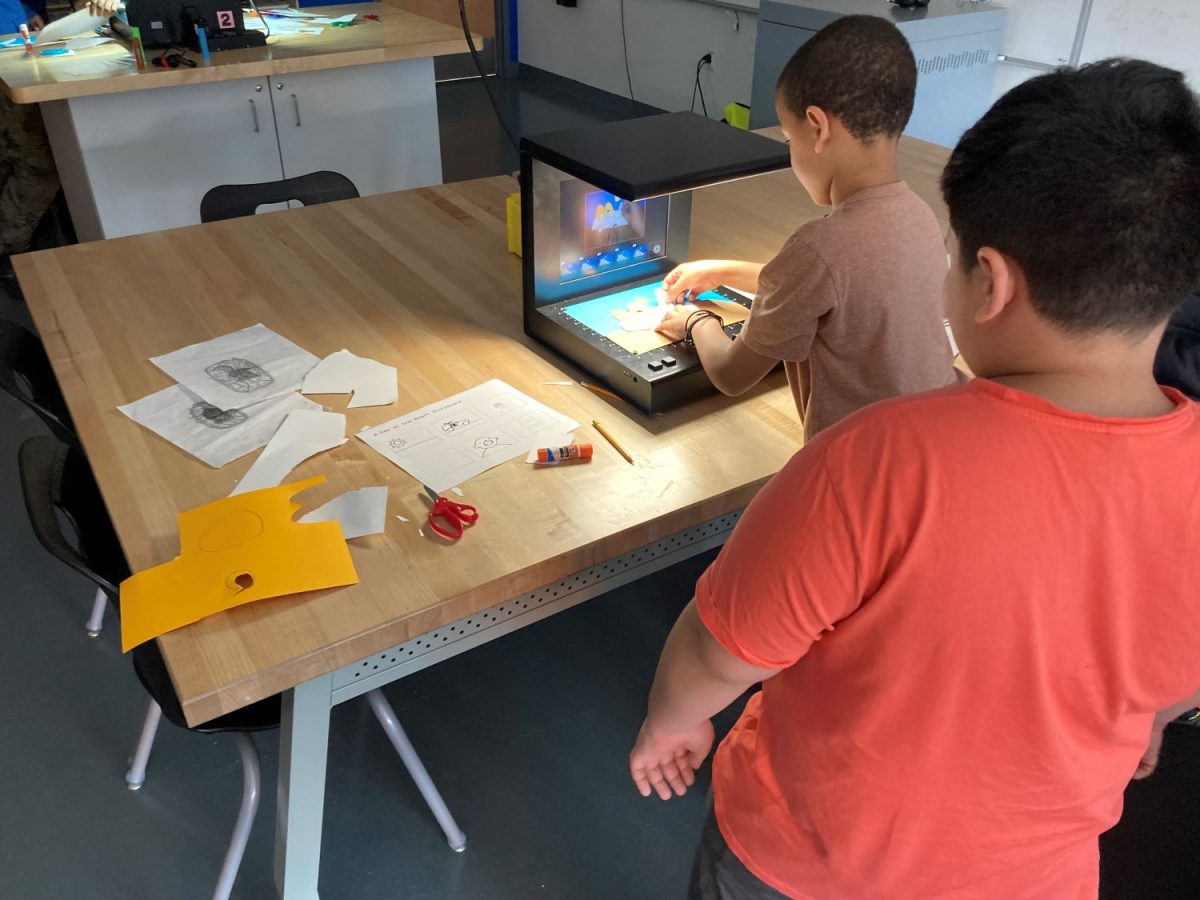
And a company in Pawtucket called Gif-o-Graf has a fun way for students to create stop-motion animation
Posted inArts And Culture, Artscape
In Pawtucket, Gif-O-Graf helps students explore creativity with animation
A Pawtucket-based company has built a device that makes it easy for anyone to make stop-motion animations. This modern update on the glue-stick and construction paper art project brings students’ ideas to life and unlocks their creativity.