


This week, CVS Health announced it will be laying off nearly 3,000 employees nationwide, and is exploring breaking up parts of its business. We’ll talk about how these changes may affect the state and its Woonsocket-based headquarters. Also, there are five questions for Rhode Island voters on this year’s ballot. This week we’ll look at question one: should the state host a constitutional convention? We’ll break down what that would mean, and why it’s become such a hot topic across the political spectrum. And the local theater season is ramping up. We’ll talk about some of the most exciting plays coming up this fall. That and more on this week’s show.

Joe Tasca
The local voice on Weekend Edition for several years, Joe stepped into the role of morning producer in October 2023. Joe is also a reporter, covering stories in the field and conducting interviews with newsmakers.
From an early age, Joe was determined to become a broadcaster, and began his broadcast career as a high school student. His first job was working as a newscaster and engineer for WERI, a full-service radio station in his hometown of Westerly. Prior to coming to The Public's Radio in 2018, Joe spent 15 years as a news anchor and reporter for a cluster of six radio stations in eastern Connecticut.
He graduated from Westerly High and earned his bachelor's degree from Quinnipiac University. When he's not working, he enjoys reading, writing, hiking, playing golf, and traveling to Canada.
Posted inLocal, Politics
Breaking down the ballot: Should Rhode Island hold a constitutional convention?
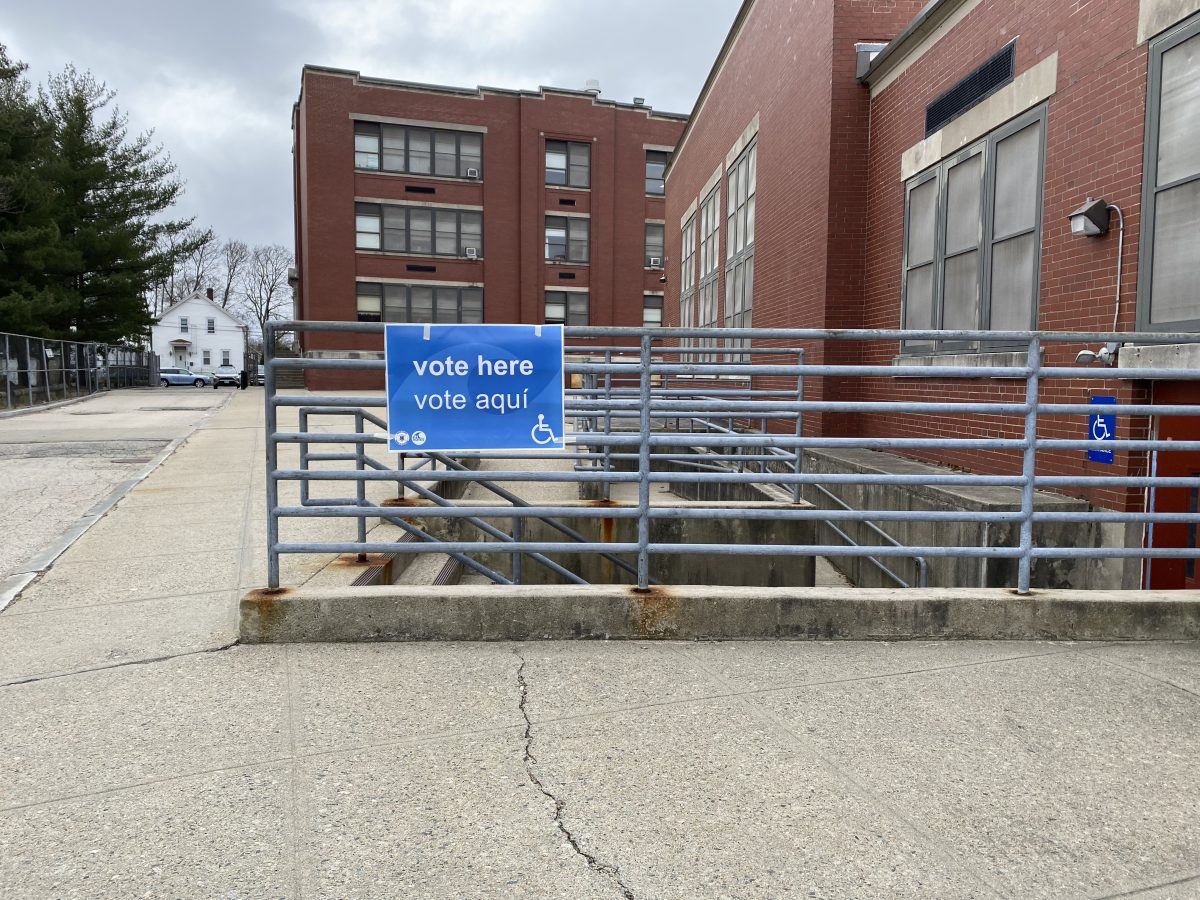
The voter registration deadline in Rhode Island is Oct. 6. You can register at vote.RI.gov. Go here for a guide to all five referenda questions on this year’s ballot, and click here for more information on when, where and how to vote in this year’s election. TRANSCRIPT: This transcript has been edited for length and […]
Posted inBusiness, Economy, Local
How will CVS layoffs affect Woonsocket?

As CVS employees await word on whether their jobs will be among the nearly 3,000 the Rhode Island-based company plans to eliminate, Woonsocket Mayor Christopher Beauchamp says the city should be able to weather the layoffs, though concerns remain for the future. CVS Health, which is headquartered in Woonsocket, said Monday that it plans to […]

Posted inEducation, Labor, The Weekly Catch
Child labor law violations in Fall River, behind the failed Star Store-UMass Dartmouth deal, and more
A seafood processing plant in Fall River is at the heart of a new lawsuit that claims the plant employed underage migrant workers – and says the teens were exposed to potentially dangerous conditions. The suit comes a year after an investigation by The Public’s Radio into possible child labor violations at seafood processors in New Bedford. Also, a year after UMass Dartmouth abruptly closed its arts campus at the Star Store in New Bedford, an investigation by the Massachusetts Inspector General gives us a clearer picture of what exactly happened and who’s to blame. And we hear a studio session with Providence-based jazz combo, the Leland Baker Trio. That and more on this week’s show.
Posted inEducation, Housing, The Weekly Catch
Remembering Alan Shawn Feinstein, Woonsocket homeowners regain protections, and more
For years Woonsocket homeowners didn’t have the same foreclosure prevention tools as the rest of Rhode Island. After an investigation by The Public’s Radio, that is finally changing. Our Nina Sparling will give us the update. Also, Alan Shawn Feinstein had a profound impact on the lives of thousands of young people in the Ocean State. We’ll meet a couple of them in a remembrance of one of Rhode Island’s most prolific philanthropists. And affordable live/work housing for artists in Providence is a rarity these days. So, where do artists live and work today? And when housing is so scarce for everyone, why is it important to have affordable spaces for artists? That and more on this episode of The Weekly Catch.
Posted inHousing, Politics, The Weekly Catch
Races to watch in Tuesday’s state primary, how local zoning rules stifle housing production, and more
Rhode Island lawmakers are taking aim at the state’s housing shortage by passing laws and increasing funding to expand inventory. But local zoning laws that vary between cities and towns are often a barrier to building. We take a look at the political tug-of-war between state and local officials over the housing crisis from our series Zoned Out. Also, Rhode Island’s state primary election is this Tuesday. Political reporter Ian Donnis highlights a few key races to watch. Plus, we look back at the thriving arts scene in Providence in the 1990s, and how the old mill buildings of the city’s industrial past made that possible. That and more on this week’s show.
Posted inArts And Culture, Housing, The Weekly Catch
The invisible legacy of racially restrictive housing covenants, Providence schools outlook, and more
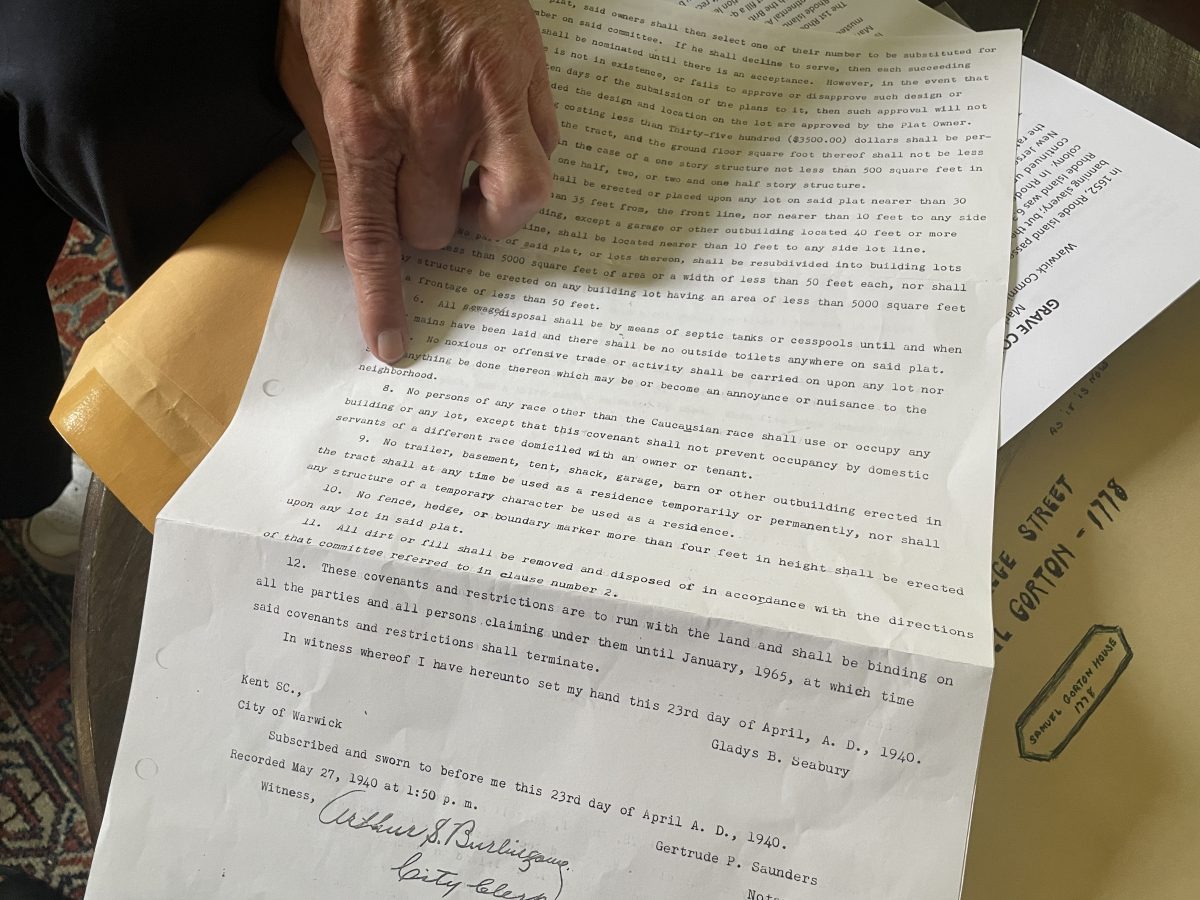
Buried deep in residential property records across Rhode Island lies an ugly truth: old restrictions in deeds that prohibited people of color from buying a given home. We hear from our own Nina Sparling about how racist restrictions in housing deeds helped shape where Rhode Islanders live today. Also, Providence public schools will remain under state control for another three years. Political reporter Ian Donnis gives us his take on the news, and a few highlights from the week in Rhode Island politics. And we have a studio session from The Whelks, an acoustic trio defined by their three-part harmonies, and a shared love of early country, swing, and Rhode Island. Plus: Our picks for what to do this week.
Posted inHousing, The Weekly Catch
How zoning stifles housing production in Rhode Island, a celebration of Guatemalan culture, and more
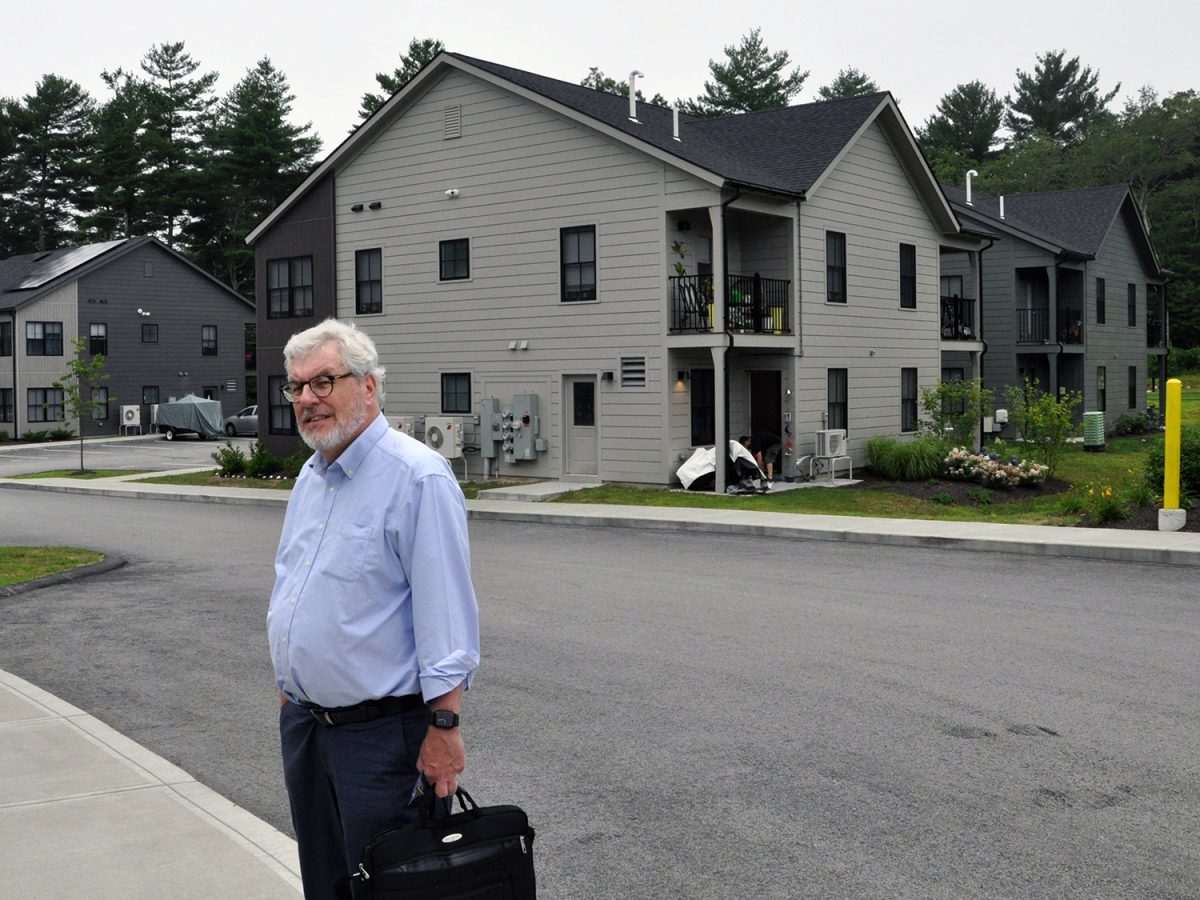
Rhode Island has faced a housing shortage for decades, and despite efforts to address it, the problem is getting worse. Today, thousands of people in Rhode Island are homeless, thousands more homeowners and renters are living in unsecure conditions, and home prices continue to skyrocket. The state needs to build more housing, but one of the biggest factors stifling that process is zoning. It’s the focus of our new series, Zoned Out. Also, we visit New Bedford’s Patio de Comidas, a summer-long celebration of Central American cuisine. It culminates this weekend with the Festival Tipico de Guatemala. Plus: A look back on the week in Rhode Island politics with political reporter Ian Donnis, and our picks for what to do this week.
Posted inThe Weekly Catch
Providence awards $1.5 million in reparations funds, Tim Walz in Rhode Island, and more
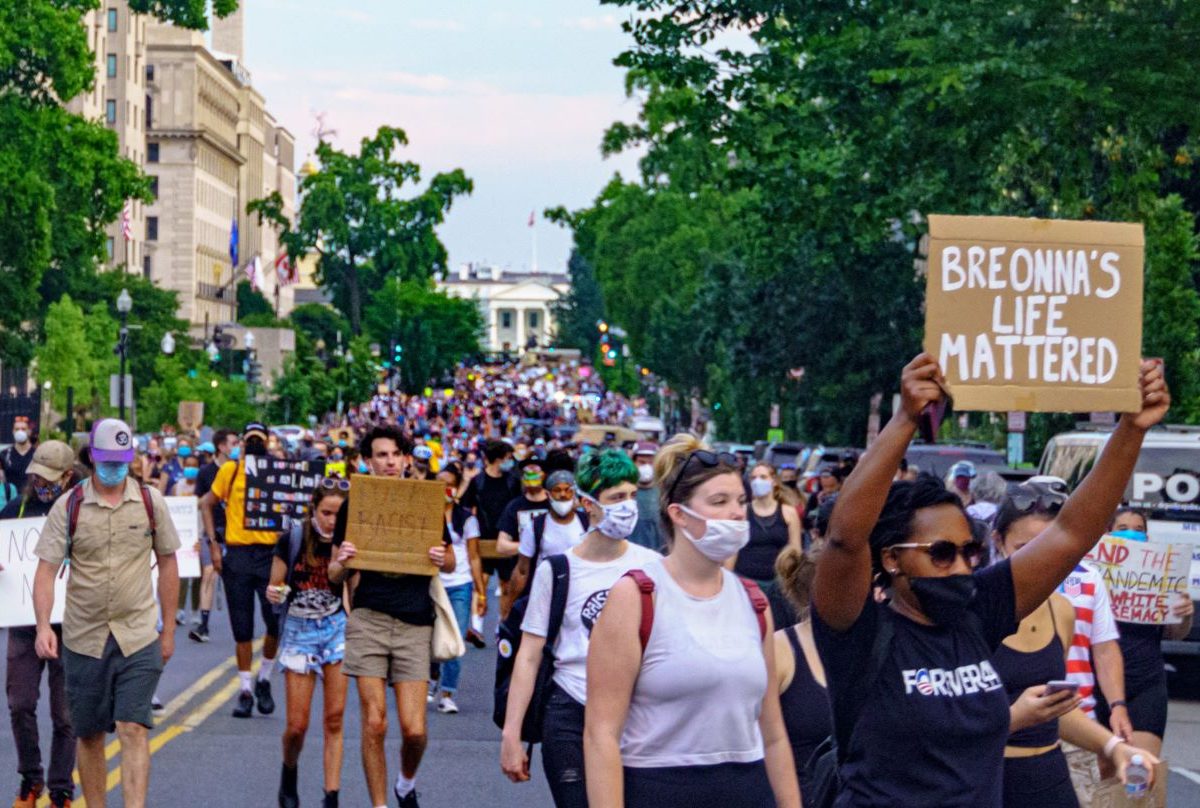
Two years ago the city of Providence approved a $10 million reparations fund in order to narrow the city’s racial wealth gap. This week, some of that money was awarded to 15 different nonprofit groups. We’ll discuss how that money is being used. Also, we’ll introduce you to our new community engagement reporter, Paul C. Kelly Campos, and talk about how you can help inform our elections coverage this year. And it was 50 years ago when Newport played host to one of the largest outdoor art installations in the world. Back then, the art world didn’t really notice. Today, it’s seen as a pivotal moment for outdoor art. Plus: we bid a fond farewell to CEO and General Manager Torey Malatia. That and more on this week’s show.
Posted inArts And Culture, Environment, Politics, The Weekly Catch
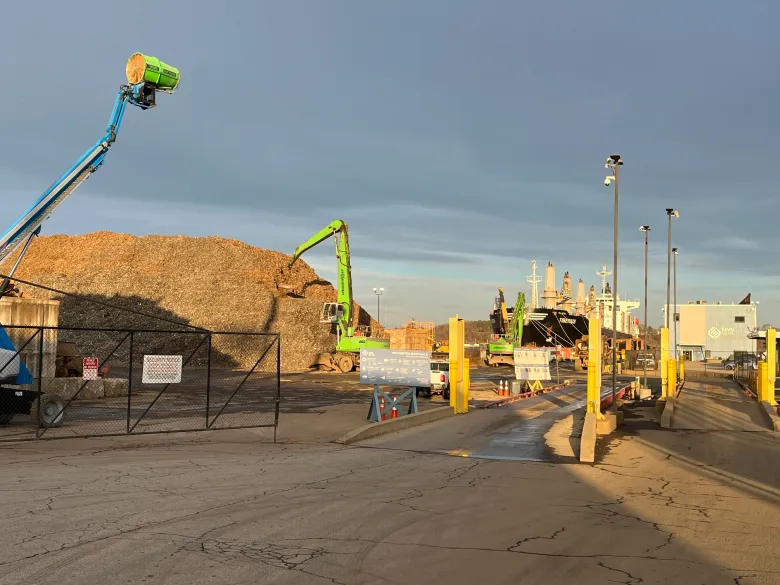
South Providence residents push for scrap yard accountability, renewed calls to reconsider Victory Day, and more
A scrapyard in South Providence was shut down last month after two recent fires. This week a judge said it could reopen, despite opposition from state officials and locals who say the facility poses health risks to an already over-polluted neighborhood. And Monday is Victory Day here in Rhode Island, commemorating the surrender of Japan in August of 1945 that led to the end of World War II. We hear from a Newport resident and Japanese internment camp survivor who says it’s time to reconsider the holiday. Also, we hear about a documentary in the making focused on a neighborhood basketball league that transcended racial and class divides during the 1960s and 70s. That and more on this week’s show.