


Two years after Pawtucket city officials closed Morley Park with plans to convert it to a parking lot, the National Park Service is being asked to weigh in on its future. An environmental lawyer says it’s just one more example of why Rhode Island needs an environmental justice law. Also, what exactly is ranked-choice voting, and how does it work? We’ll walk you through it. And on this week’s Artscape, we hear some “witch pop” in a studio session with Providence singer-songwriter Olivia Dolphin. That and more on this week’s show.

Mareva Lindo
Mareva joined The Public’s Radio in 2022 and oversees daily news production, writes our Daily Catch newsletter and edits two weekly productions, Artscape and The Weekly Catch.
In 2023, Mareva received two awards from the Public Media Journalists Association for her work with The Public's Radio, including a first-place Multi-Media Presentation award for the 2022 Elections page, and a second-place Short Documentary award for editing and co-production of “The Secret of Chiqui Versace."
A Chicago-made journalist and musician, Mareva strives to document and tell stories driven by community, curiosity, and listening. She is the creator of The Archives podcast at the Old Town School of Folk Music, where in 2017 she conducted an oral history of the school in partnership with StoryCorps. In the past Mareva has reported on public meetings as a City Bureau Documenter, led workshops on podcasting and audio storytelling, and crafted ethnography-based theater as a company member of the Albany Park Theater Project.
She holds a B.A. from Smith College in American Studies with a focus in popular culture. When not at The Public's Radio, she's been known to sing sea shanties and play the fiddle.
Posted inBusiness, Health, The Weekly Catch
‘How Medical Malpractice Fails Everyone,’ big changes coming to Rhode Island hospitals, and more
It’s been a big week for healthcare in Rhode Island. The state’s largest hospital system is changing its name, and two cash-strapped hospitals will soon have a new owner. Also, a new documentary explores the impact of the medical malpractice system on doctors, patients, and our society at large. We talk with a Rhode Island emergency room doctor featured in the film, and one of the documentary’s co-directors. And we hear from the writer and director behind “God Talks to an Agnostic,” a radio play exploring the complicated role of the Black church in the life of a person struggling with their spirituality. Plus: Tips on accessing affordable and reliable internet after the end of the COVID-era Affordable Connectivity program, more highlights from the week in Rhode Island politics, and our picks for what to do this week.

Posted inCriminal Justice, Politics, The Weekly Catch
For some lawmakers, LEOBOR reform doesn’t do enough to address police misconduct
The death of George Floyd in 2020 shined a light on the issue of police misconduct and use of force. Here in Rhode Island, there’s been an effort to reshape how we deal with this problem by changing LEOBOR – the Law Enforcement Officers’ Bill of Rights. This week, Gov. McKee signed into law a bill that marks the first reforms to LEOBOR since its creation in 1976. But some believe it doesn’t go far enough. Also, attempts to reform the state’s Coastal Resources Management Council failed again this legislative session. And we meet artist Bob Dilworth, whose brilliantly textured and colorful paintings earned him a Pell Award this week from Trinity Rep. That and more on this week’s show.
Posted inEconomy, Environment, The Weekly Catch
What’s in, what’s out of Rhode Island House budget, Newport debates fate of Easton’s Beach, and more
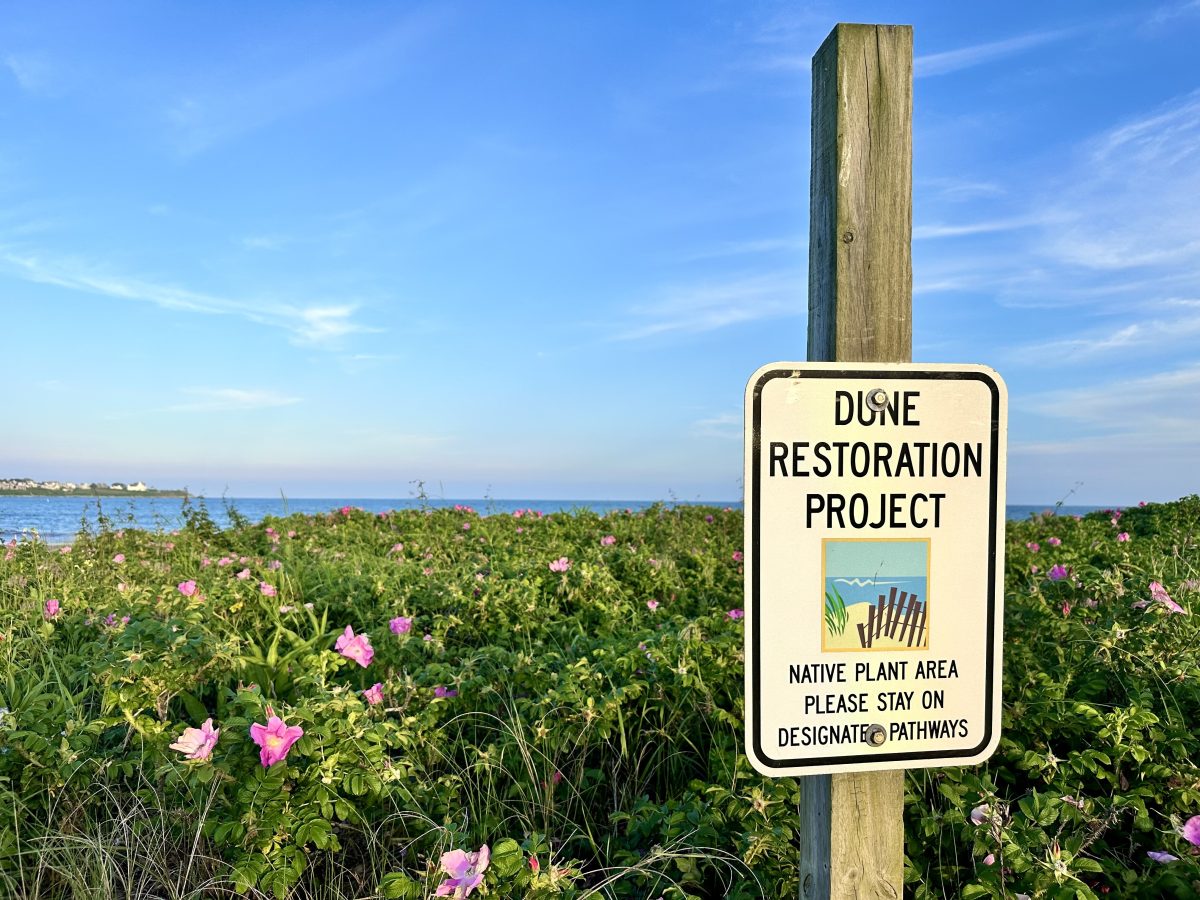
The debate over this year’s budget is underway in the Rhode Island House. With federal COVID-19 relief money running out, lawmakers have some tough decisions to make. Our own Ian Donnis and the Boston Globe’s Dan McGowan join us to discuss the likely winners and losers in this year’s budget. Also, Easton’s Beach – the only public beach in Newport – is disappearing. After extensive damage from three severe storms this winter, local leaders and residents are debating how to preserve the beach, or whether to save it at all. And a new exhibit at the Newport Historical Society centers the stories of the city’s Black residents from the 17th-19th centuries. That and more on this episode of The Weekly Catch.
Posted inEnvironment, Politics, The Weekly Catch
Rising seas and severe storms are eroding our coastline. How are local leaders and communities responding?
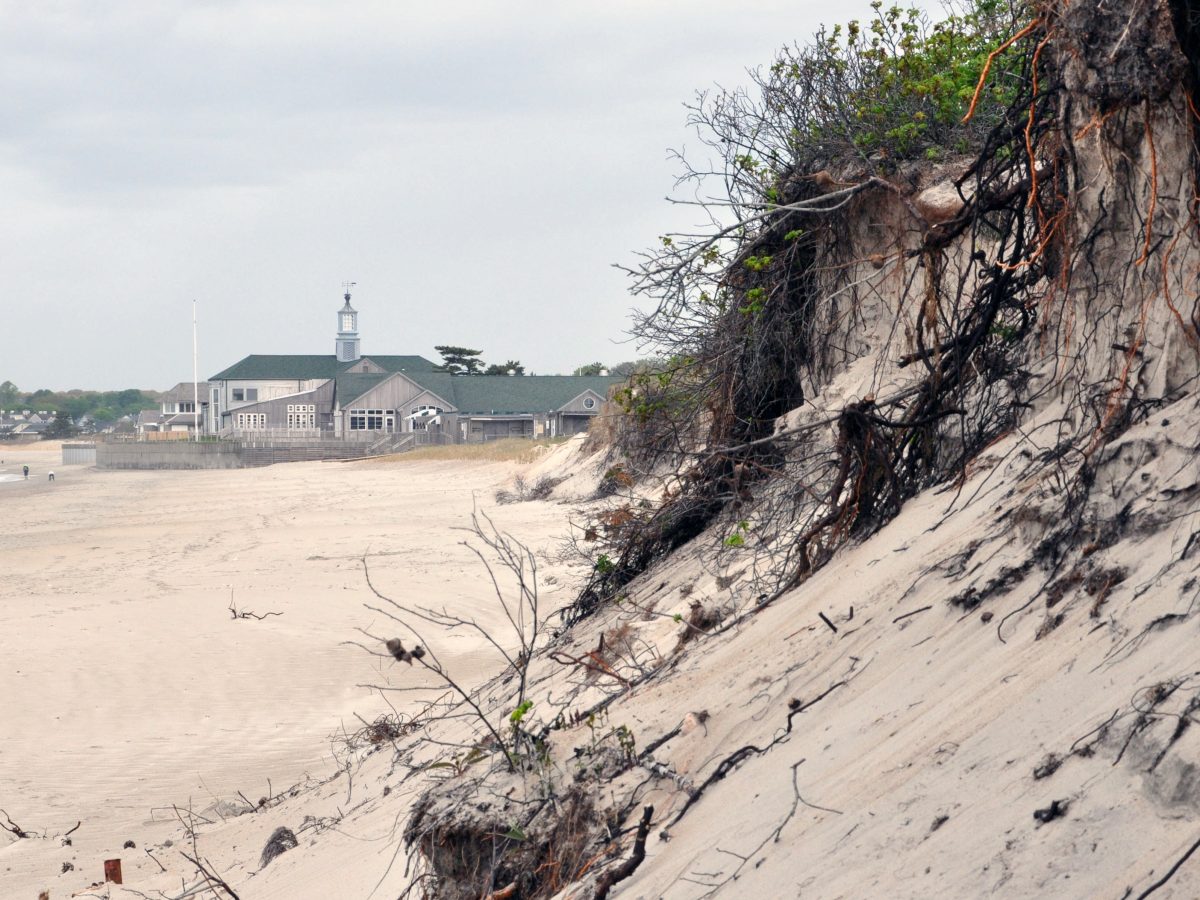
New England beaches and coastlines are changing. With climate change bringing higher sea levels and more intense storms, some beaches are being pushed back by many feet – and others disappearing completely. Our new series, Washout: Our vanishing beaches, launched this week and takes a deeper look into the issue. We hear about some of the ways Rhode Island’s local and state leaders are responding, and meet a photographer who’s been documenting the region’s changing coastline for 50 years. Plus, later in the program, a studio session from Providence musician J. Mamana, who explores grief and hope on his new album, “For Every Set of Eyes.” That and more on this week’s show.
Posted inHealth, Housing, The Weekly Catch
Supreme Court to decide how cities can respond to homelessness, Brown faculty call for reform, and more
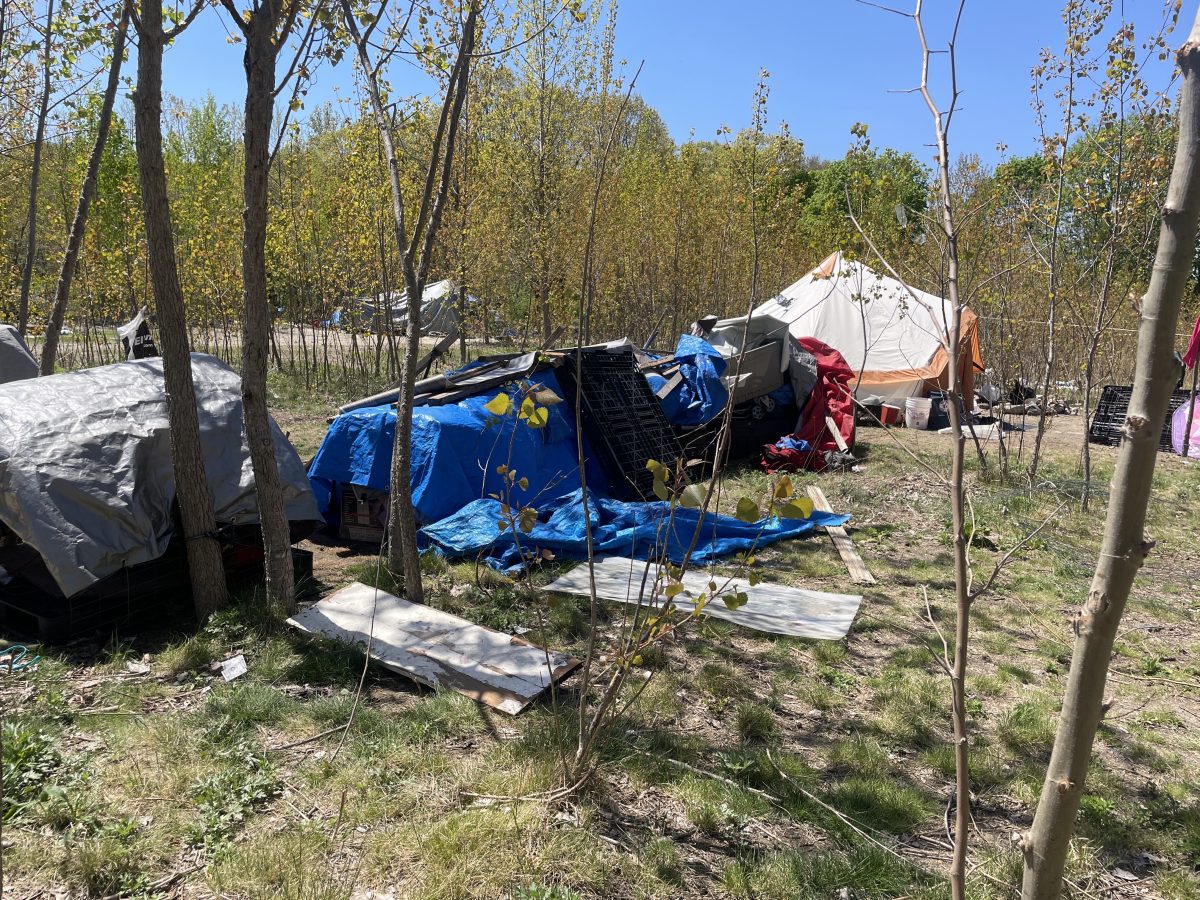
Last week, police shut down two homeless encampments in Providence. We hear about a U.S. Supreme Court case that could change how cities across the country work with homeless communities. Also, a few professors who visited the pro-Palestine encampment at Brown University received letters threatening faculty discipline. Some are calling for institutional reform to protect academic freedom. And we hear from Marty Sinnott, CEO of a child advocacy nonprofit, who for years has been sounding the alarm on Rhode Island’s overloaded child welfare system. Plus, we take you on a journey through some of the rare books, art and history at the Providence Athenaeum. That and more on this week’s show.

Posted inHealth, Housing, The Weekly Catch
An app for addiction treatment, Narragansett’s affordable housing problem, and more
Rhode Island has one of the nation’s highest rates of overdose deaths involving cocaine, a problem the state is trying to address with a new smartphone app. But is it reaching those most in need? Also, the town of Narragansett has one of the lowest percentages of affordable housing in the state. We hear about some steps taken earlier this week by the town council intended to address the housing shortfall. And RISD is celebrating its second Black Biennial. We’ll hear from the co-curator who is seeking to break down the walls between the institution and the surrounding community. Plus: the week in politics, and a few things to do this week.

Posted inEducation, Politics, The Weekly Catch
Students strike a deal at Brown, roots of militarized police response to college protests, and more
Pro-Palestine demonstrations have cropped up on university campuses around the country, leading in some cases to arrests and clashes with police. But Brown University students and administrators this week reached a peaceful conclusion. We hear from two students about how it happened. Also, violence between cops and student protestors may seem familiar to those who witnessed the campus unrest of the 60s and other eras. But today’s militarized police response to protests at Columbia and other colleges has its roots in post-9/11 policies. Plus, we hear about a biography on one of the most influential American artists of the past 50 years: Keith Haring. That and more coming on this episode of The Weekly Catch.

Posted inLocal, Politics, The Weekly Catch
Fifty years later, local Portuguese communities celebrate end of authoritarian Estado Novo regime
Fifty years ago, the authoritarian Estado Novo regime was overthrown in Portugal by a military coup. Known today as the Carnation Revolution, it’s a day that’s celebrated around the world – including by the large Portuguese-American community here in Rhode Island and southeastern Massachusetts. Also, Rhode Island nursing homes are facing understaffing, patient injuries, and preventable deaths, and the issues are only getting worse. Plus, we bring you a special performance from local singer Gian Carlo Buscaglia, who made a name for himself singing romantic ballads and songs of social justice in the streets of Harvard Square.
Posted inArts And Culture, Artscape, Local
Studio session: Gian Carlo Buscaglia sings songs of romance and social justice
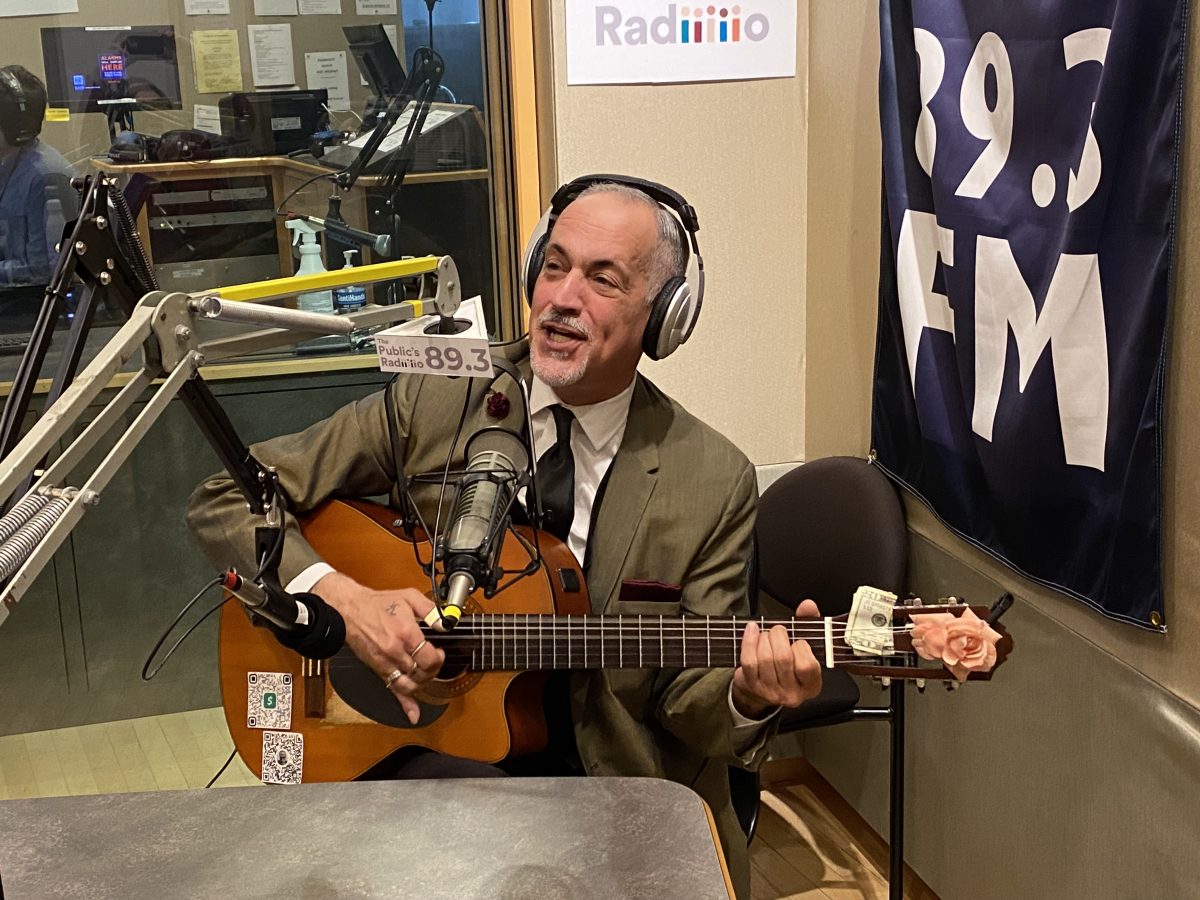
This week on Artscape: a studio session with Gian Carlo Buscaglia. The Pawtucket-based singer and guitarist got his start performing Latin American ballads and songs of social justice in the streets of Harvard Square in the 1980s. “Very bohemian, a lot of jugglers, clowns, different musicians,” Buscaglia said of that time. “Tracy Chapman was around that time playing in the streets of Harvard Square. So it was a very magical time.”