



Take a look out your window. What color is the ground? It turns out that what you see plays a big role in the speed of climate change.

Megan Hall
Host/Managing Producer for Possibly
Posted inEpisode, Possibly Podcast
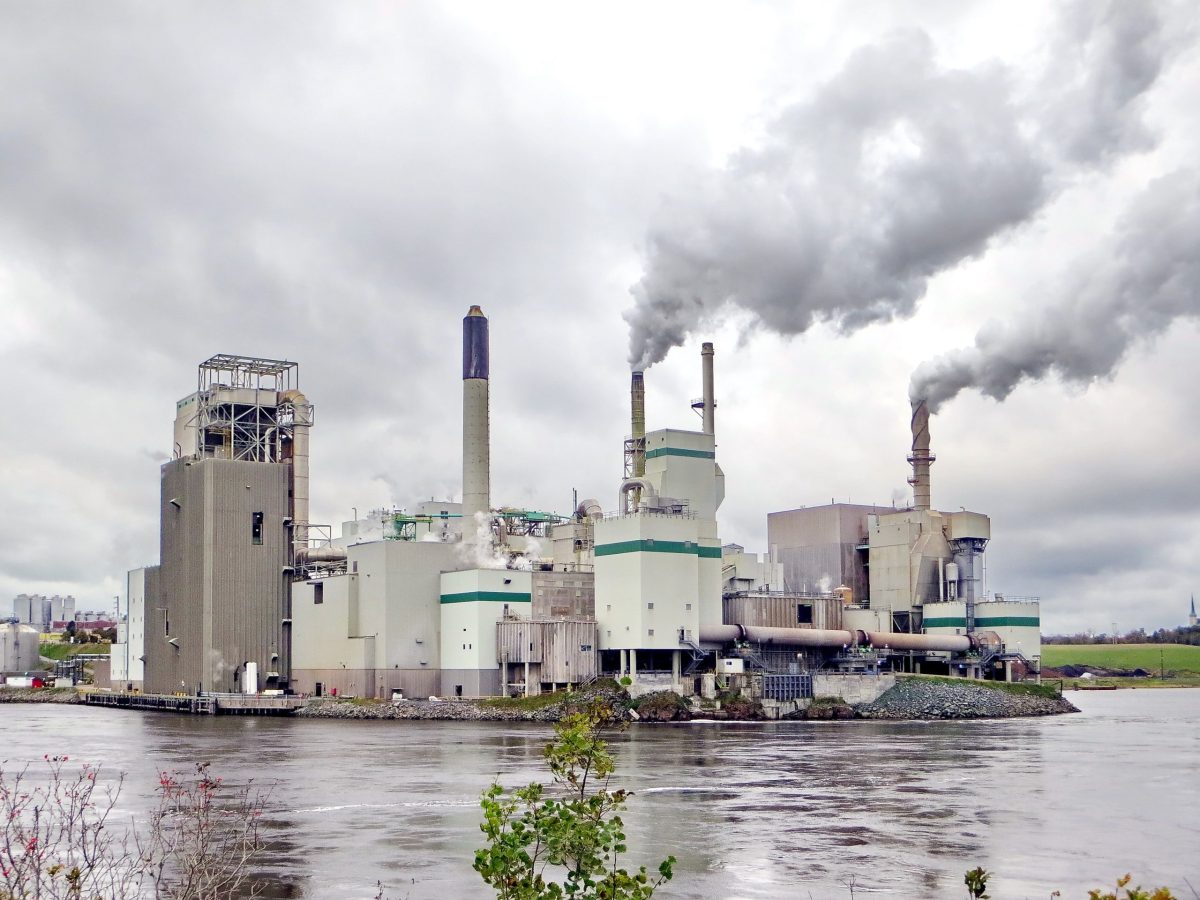
What does ‘Net Zero’ really mean?

If you follow the news about climate change, you’ve probably heard the phrase “net zero.” But what does “net zero” really mean?
Posted inEpisode, Possibly Podcast
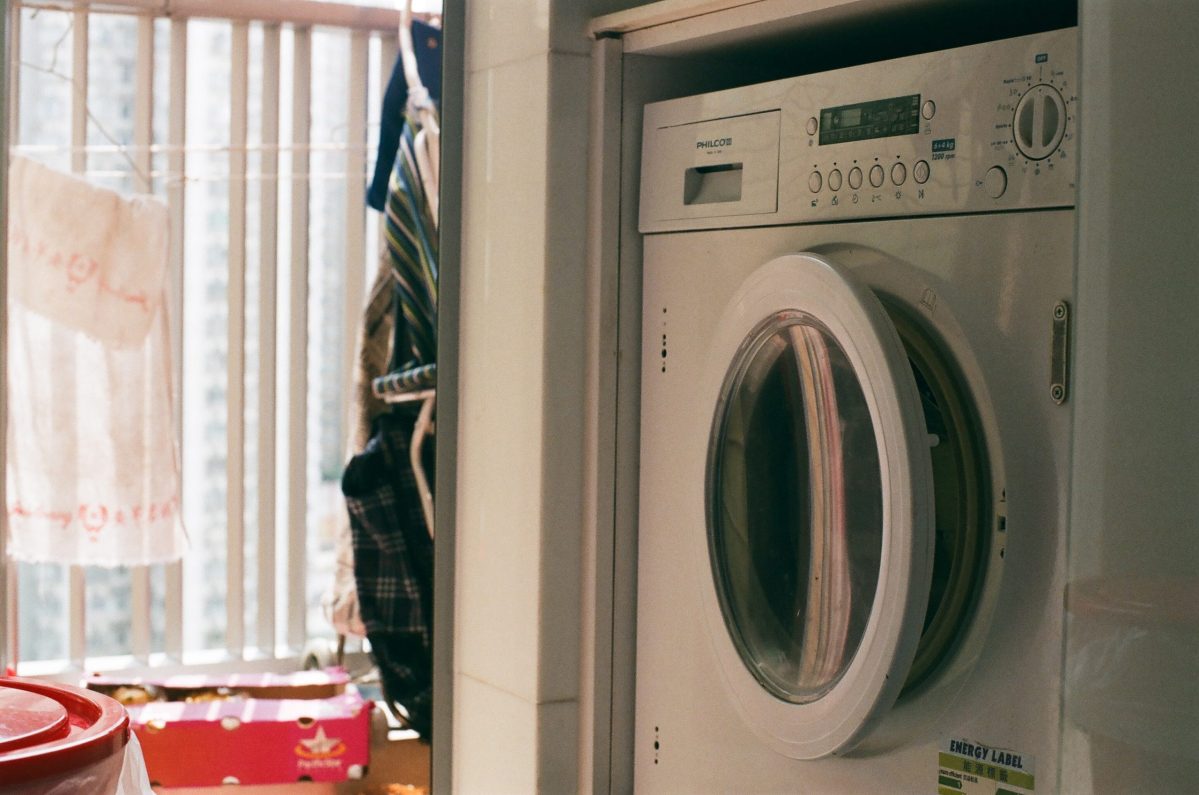
Do my clothes release harmful particles when I wash them?

Today we have a question from Natalie Herbermann. She’s heard that when you put your clothes in the washing machine, they can leave behind harmful particles… And she’s wondering if there’s anything she can do about that.
Posted inEnvironment, Episode, Possibly Podcast
Is It Worth It To Buy A Hybrid Car?


Taking into account the energy that goes into making a whole new car, is it more energy efficient to keep the gas car you already have, or to get a new hybrid car? (This episode originally aired in September, 2019).
Posted inEpisode, Possibly Podcast
What’s the best way to get solar power?
Today, we have a question from listener David Kellogg. He’s a big fan of solar power, but he wants to know, is it better to put solar panels on your roof, or to put your money towards large scale solar installations?
Posted inEpisode, Possibly Podcast
What’s one thing kids can do to fight climate change?

Today, we’re answering a question from Ada, a student from Bristol, Rhode Island. She wants to know the best thing kids can do at home to help stop climate change.
Posted inEpisode, Possibly Podcast
Our 2021 resolutions
Twenty-twenty was quite a year, and we’re guessing that most people are hoping 2021 will be better. So, our Possibly team got together to think about some New Year’s Resolutions that fit with the themes of our show. Here’s what everyone had to say…
Posted inEnvironment, Episode, Possibly Podcast
Oil-Burning Furnace Or Wood-Burning Stove?
Is an oil furnace or wood stove better to heat a home during the winter?
Posted inEnvironment, Episode, Possibly Podcast
Space Heater For One Room Or Furnace For The House?
Is it better to heat one room with a space heater or use a furnace to heat your entire house?
Posted inEpisode, Possibly Podcast
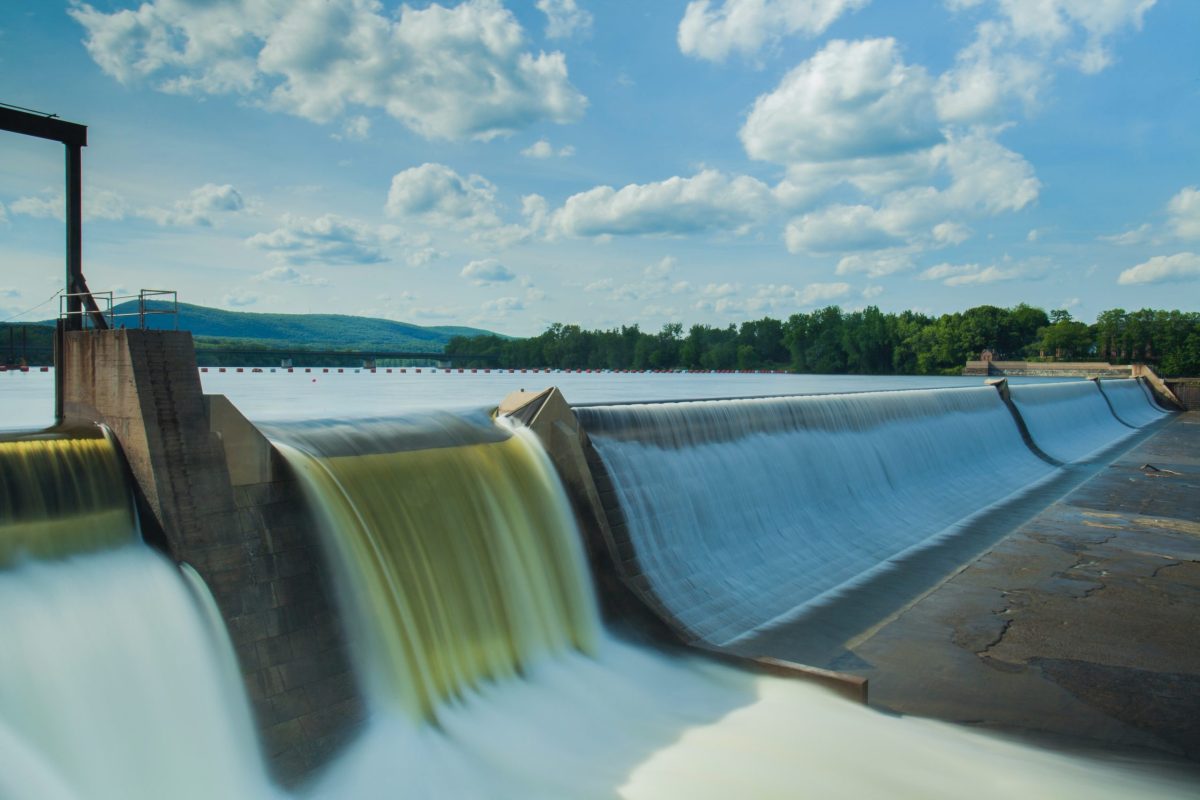
How does hydropower work?
Hydroelectric power is the most widely-used renewable energy source in the world. It creates about one-sixth of the world’s electricity. But how exactly does it work, and how does it fit into our energy future?