
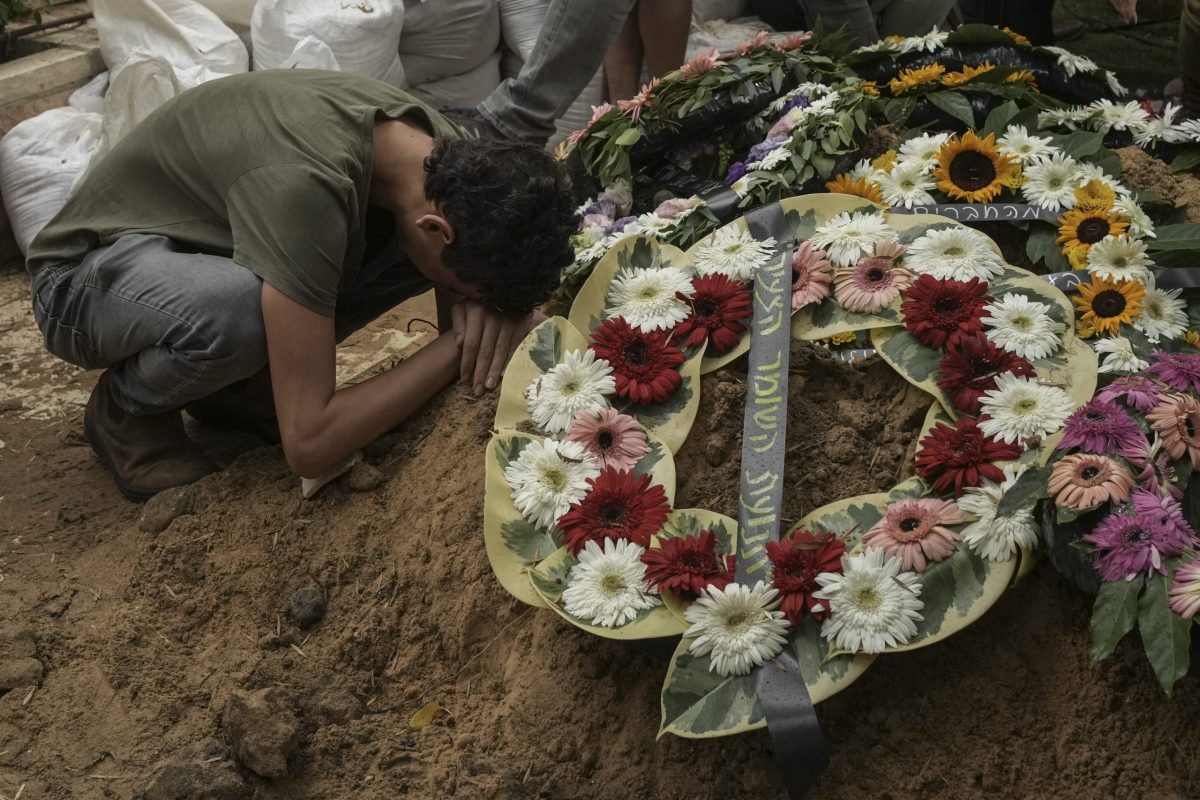


We talk with leaders from New England’s Jewish and Palestinian communities to hear about how they’re getting through these difficult times. Also, in the final part of our collaboration with oral history project Nuestras Raíces, we hear from Central Falls Mayor Maria Rivera about how she overcame a fear of public speaking to become the first Latina mayor in Rhode Island. And the URI Guitar Festival is right around the corner. Artscape Producer James Baumgartner talks with blues performer Jontavious Willis. Plus, Ian Donnis discusses possible names for the next Majority Whip in the Rhode Island legislature.

Mareva Lindo
Mareva joined The Public’s Radio in 2022 and oversees daily news production, writes our Daily Catch newsletter and edits two weekly productions, Artscape and The Weekly Catch.
In 2023, Mareva received two awards from the Public Media Journalists Association for her work with The Public's Radio, including a first-place Multi-Media Presentation award for the 2022 Elections page, and a second-place Short Documentary award for editing and co-production of “The Secret of Chiqui Versace."
A Chicago-made journalist and musician, Mareva strives to document and tell stories driven by community, curiosity, and listening. She is the creator of The Archives podcast at the Old Town School of Folk Music, where in 2017 she conducted an oral history of the school in partnership with StoryCorps. In the past Mareva has reported on public meetings as a City Bureau Documenter, led workshops on podcasting and audio storytelling, and crafted ethnography-based theater as a company member of the Albany Park Theater Project.
She holds a B.A. from Smith College in American Studies with a focus in popular culture. When not at The Public's Radio, she's been known to sing sea shanties and play the fiddle.
Posted inArtscape, Episode
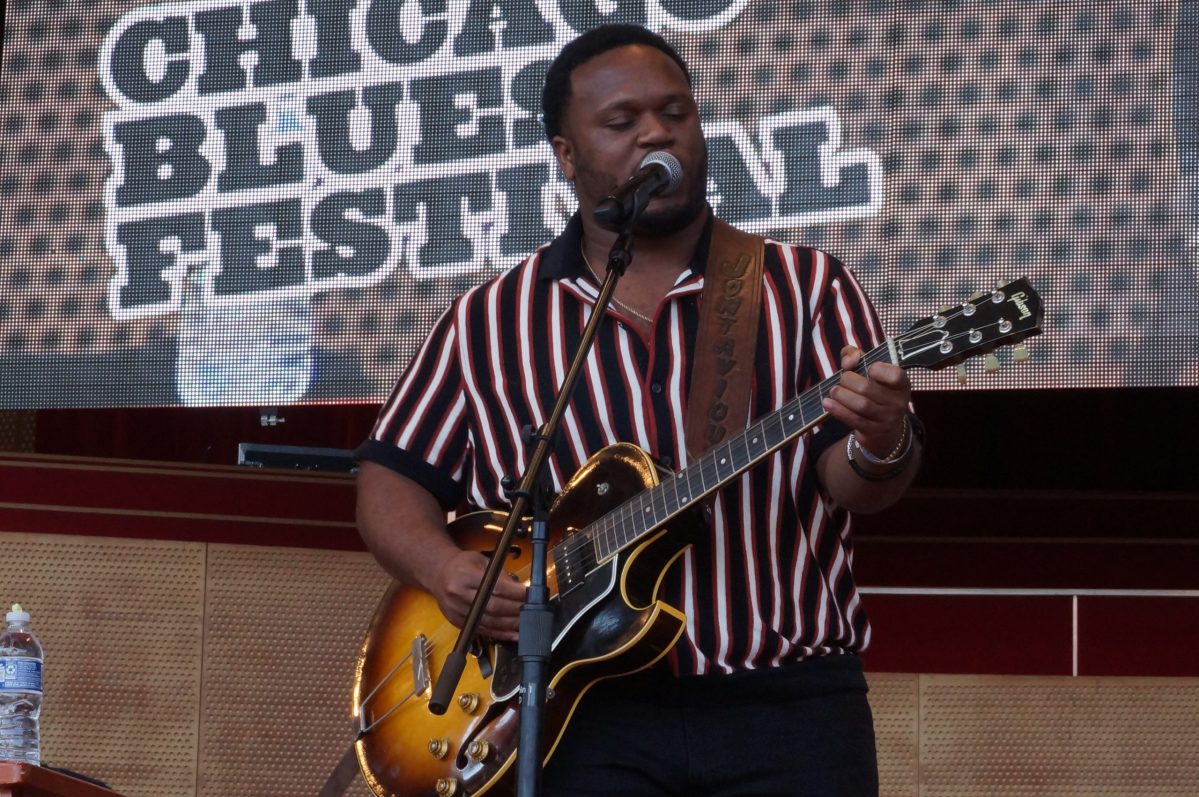
The gospel roots behind Jontavious Willis’ Georgia blues

Before Jontavious Willis became a Grammy-nominated blues artist, taken under the wing of elder bluesmen like Taj Mahal and Keb’ Mo’, he grew up in rural Georgia singing gospel in church. This week on Artscape, in a conversation with producer James Baumgartner, Willis said it was the connection to gospel that first sparked his interest in the blues.
Posted inArticle, Politics
‘I need to set the example’: Maria Rivera on her unexpected journey to becoming the first Latina mayor in Rhode Island
Ten years ago, Maria Rivera was terrified of public speaking. Running for office wasn’t in the plan. But years later, Rivera found herself on the Central Falls city council, and in 2021 she was elected mayor of Central Falls – the first Latina mayor in Rhode Island. In this recent conversation with organizer and former city hall intern Lorraine Quintero, Rivera says she ran because she wanted to address the issues facing her community – issues she had faced herself.
Posted inEpisode, The Weekly Catch
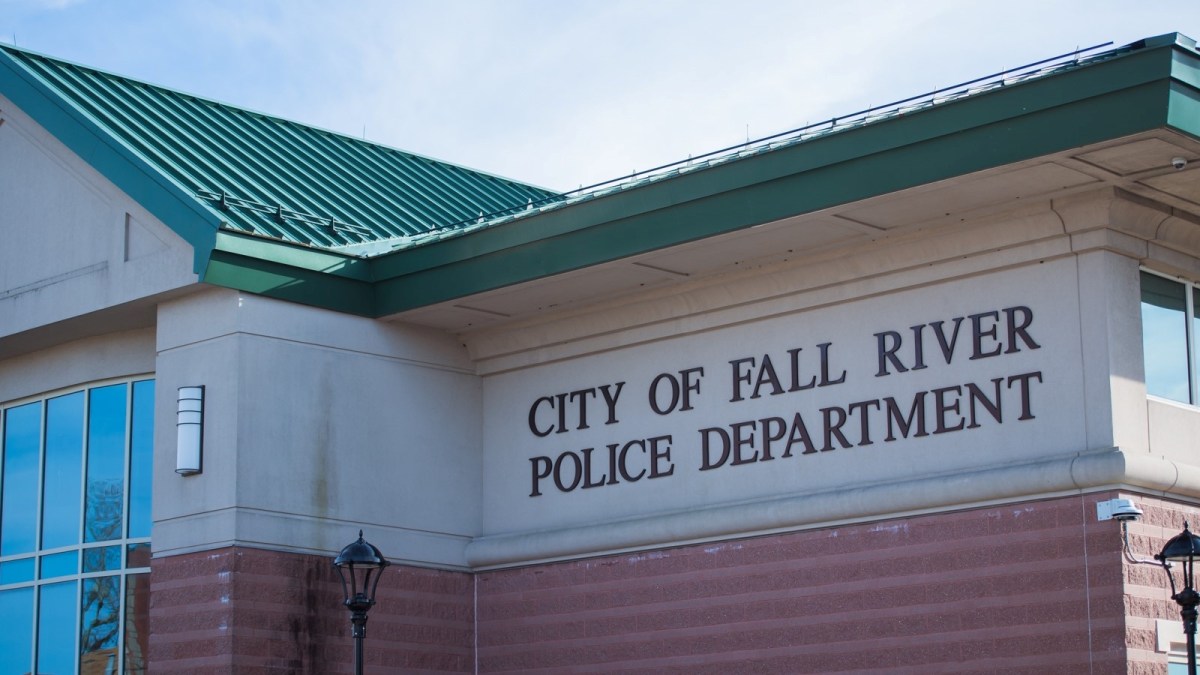
Fall River police abuse allegations, building a Latino community at RIC, and more
A new investigation into a former Fall River police officer reveals flaws within the department’s internal affairs process. We talk with South Coast Bureau Reporter Ben Berke about some key takeaways from his report. And when José Gonzalez came to Rhode Island College in the 1970s, he felt like an outsider – we hear how that experience led him to create the Latin American Student Organization. Also, we give our review of the latest show at Trinity Rep: A dark comedy about a modern-day descendent of a woman executed during the Salem Witch Trials. Plus, the latest in politics, and a few things to do this week.
Posted inArtscape, Episode
Plays from Trinity and Wilbury reexamine the past and imagine the future
This week on Artscape, two plays: a conversation with the playwright of “2216: The Remix of a Global Experiment,” making its worldwide debut at the Wilbury Theatre, and a review of “Becky Nurse of Salem,” a dark comedy now playing at Trinity Rep.
Posted inArticle, Education
‘I felt that I wasn’t being seen’: José Gonzalez on creating a space for the Latino community at Rhode Island College
When José Gonzalez came to Rhode Island College in 1972, he felt like an outsider. One of few Latino students on campus, he decided there was a need to bring people together. The result was the Latin American Student Organization. Now a professor at the college, Gonzalez spoke recently with Brian Villa, a recent RIC graduate and former president of LASO.
Posted inEpisode, The Weekly Catch
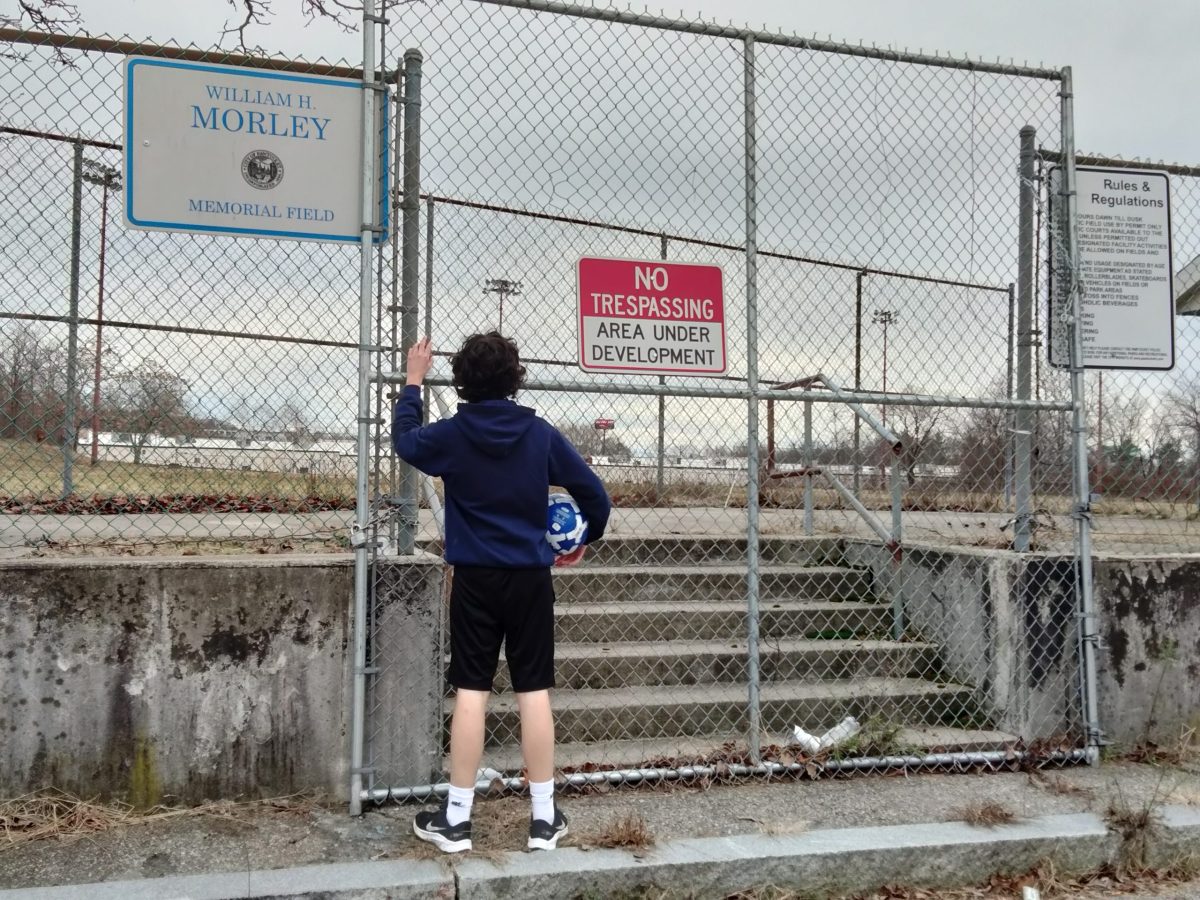
Behind efforts to save Morley Field in Pawtucket, redlining in Rhode Island, and more
A group of Pawtucket residents, elected officials and activists have been campaigning to save the city’s Morley Field. Now they say the city may have been violating land-use laws for years. And many people think of redlining as a thing of the past, but the justice Department this week found evidence of discriminatory lending in a number of American cities – including in Rhode Island. Also, we share the first in a series of stories from Latinos in Rhode Island, a new collaboration with a local oral history project. Plus, a conversation with a Sephardic musician who sings songs in Ladino set to original music.
Posted inArticle, Arts And Culture, Education
Nuestras Raíces: Marta Martinez is documenting the stories of Latinos in Rhode Island
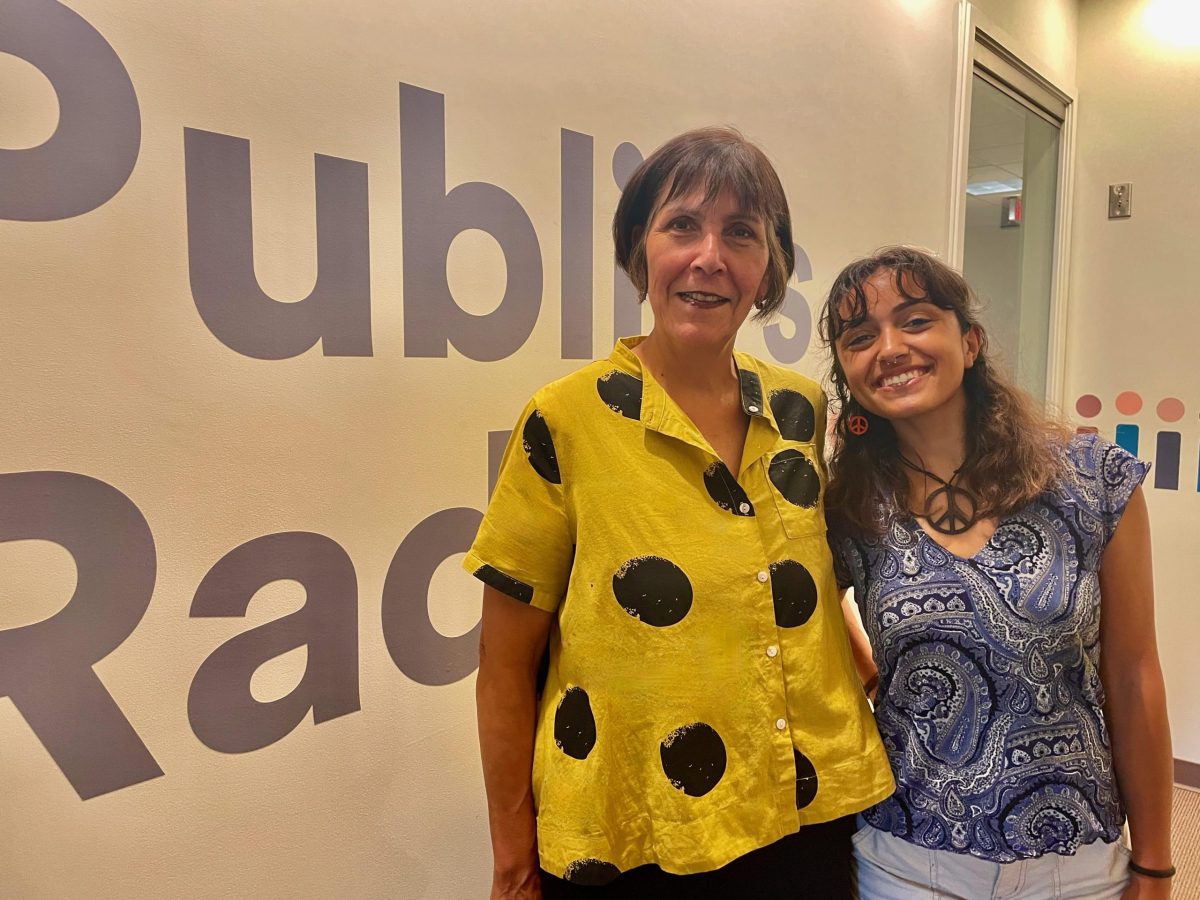
Over the next three weeks we’ll be sharing a series of intergenerational conversations highlighting the stories of Latinos in Rhode Island, in collaboration with oral history project Nuestras Raíces. In part one: Community oral historian Marta Martinez talks about her work with Laura Tamayo, a student at Brown University who’s been working on the project.
Posted inEpisode, The Weekly Catch
Behind our investigation on underage migrants working in seafood plants, and more
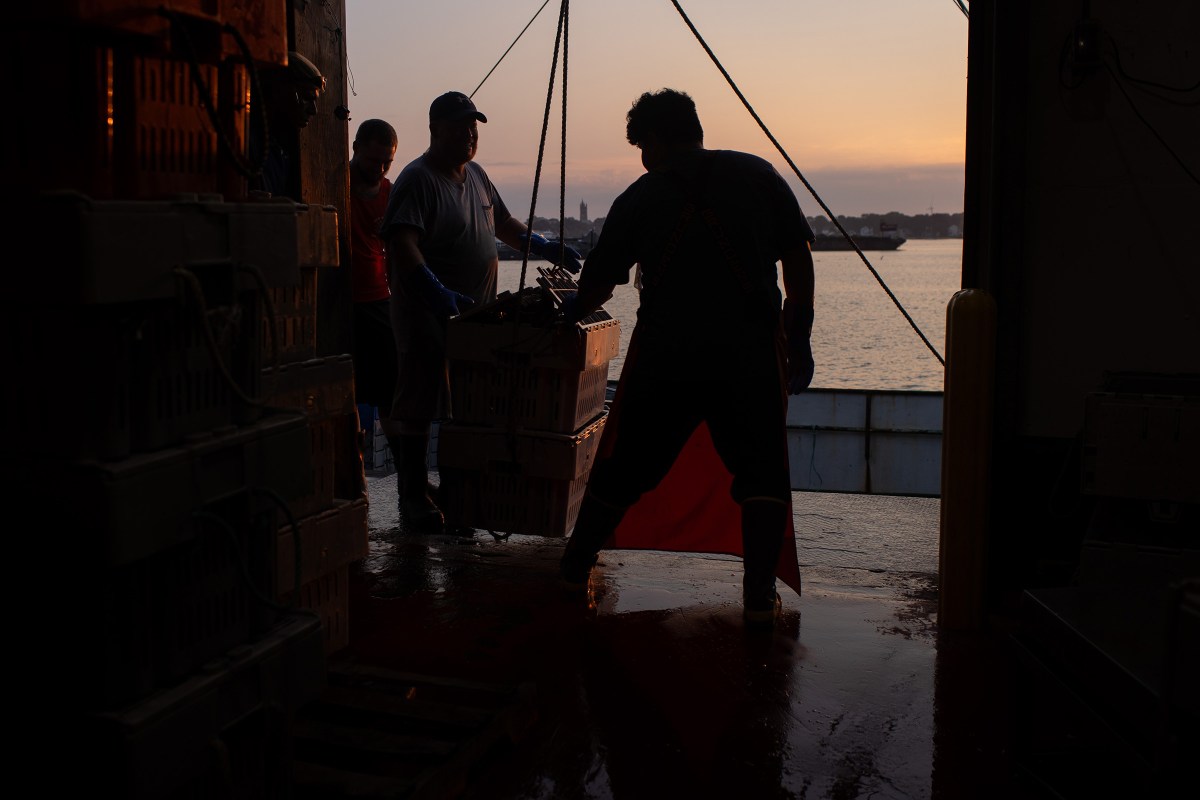
This week we brought you “Underage and Unprotected,” a three-part investigation into migrant teens working in New Bedford seafood plants. We hear part one of the series, and talk with the Public’s Radio reporters who spent two years working on this special project. Also, advocates this week called on Rhode Island to fix what they called “systemic discrimination” against minority- and women-owned businesses in public contracting. The state says it has plans to make the process more equitable. And apocalypse survivors reimagine an episode of “The Simpsons” in the latest show from Contemporary Theater Company. We give you our review.
Posted inEpisode, The Weekly Catch
Hurricane Lee approaches, microplastics in Narragansett Bay, and more
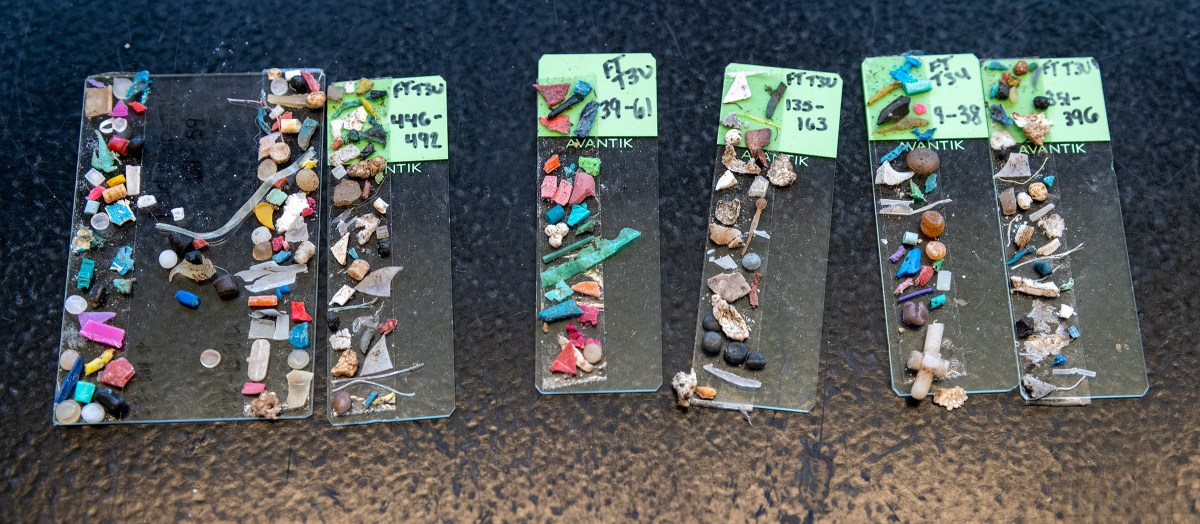
Hurricane Lee has weakened and continues to do so as it moves off the New England Coast. But that doesn’t mean it won’t have an impact on the area. We talk about how to prepare. Also, a former White House COVID advisor shares what you need to know about the new vaccines. Plus, we hear about a new URI study that found an alarming amount of microplastics in Narragansett Bay. And we introduce you to a local singer and harmonium player who’s gained a huge following by sharing his love of Bengali music with the world.