


The gene-editing technique is effective for treating some illnesses but it’s been too expensive to consider it for rare conditions. A new approach in the works could make it more widely available.
Treatments
Posted inNPR
Long COVID patients push to see federal research refocused on treatments
The federal government has allocated $1.15 billion so far on long COVID research, without bringing any new treatments to market. Patients and scientists say it’s time to push harder for breakthroughs.
Posted inNPR
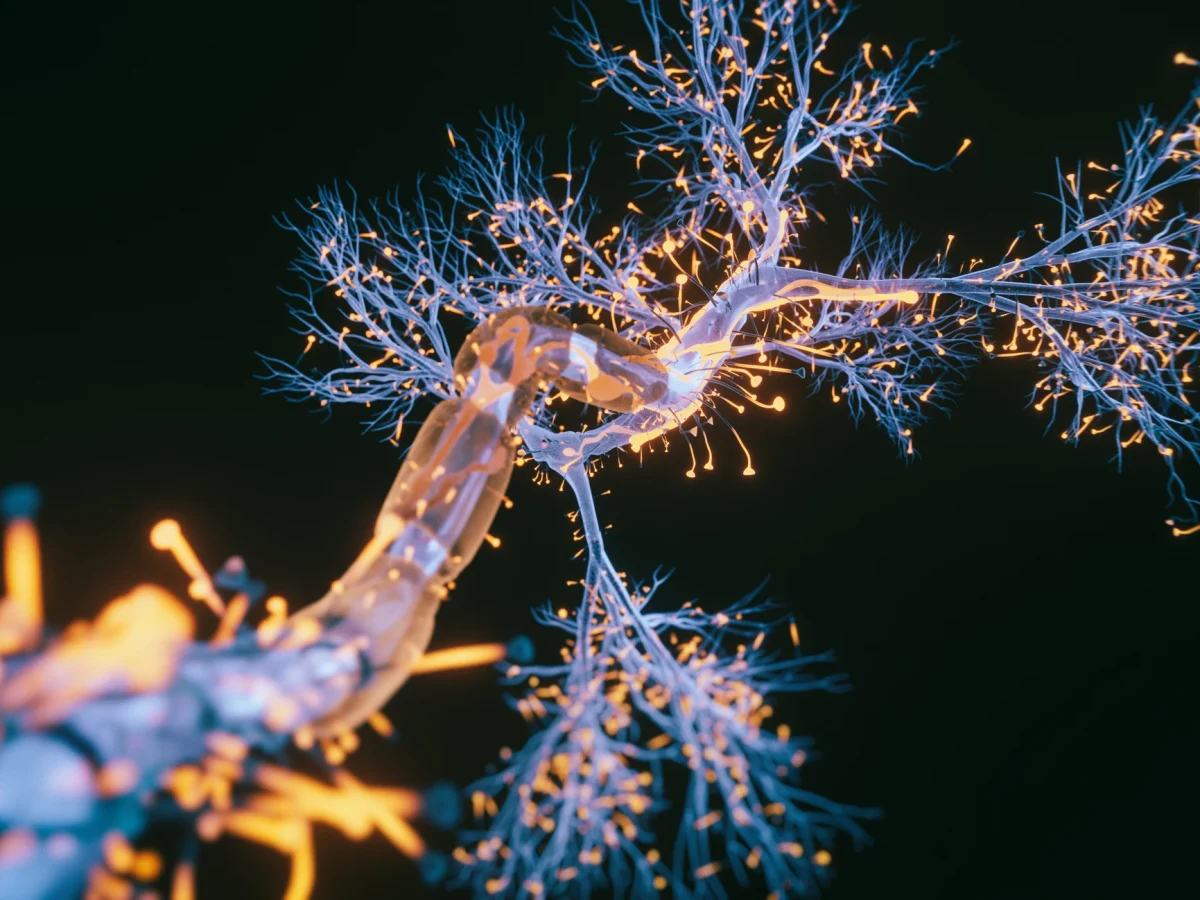
Alzheimer’s timeline shows changes start as trickle, become torrent
A study of cells from 84 brains finds that Alzheimer’s has two distinct phases, and that one type of neuron is especially vulnerable.
Posted inNPR
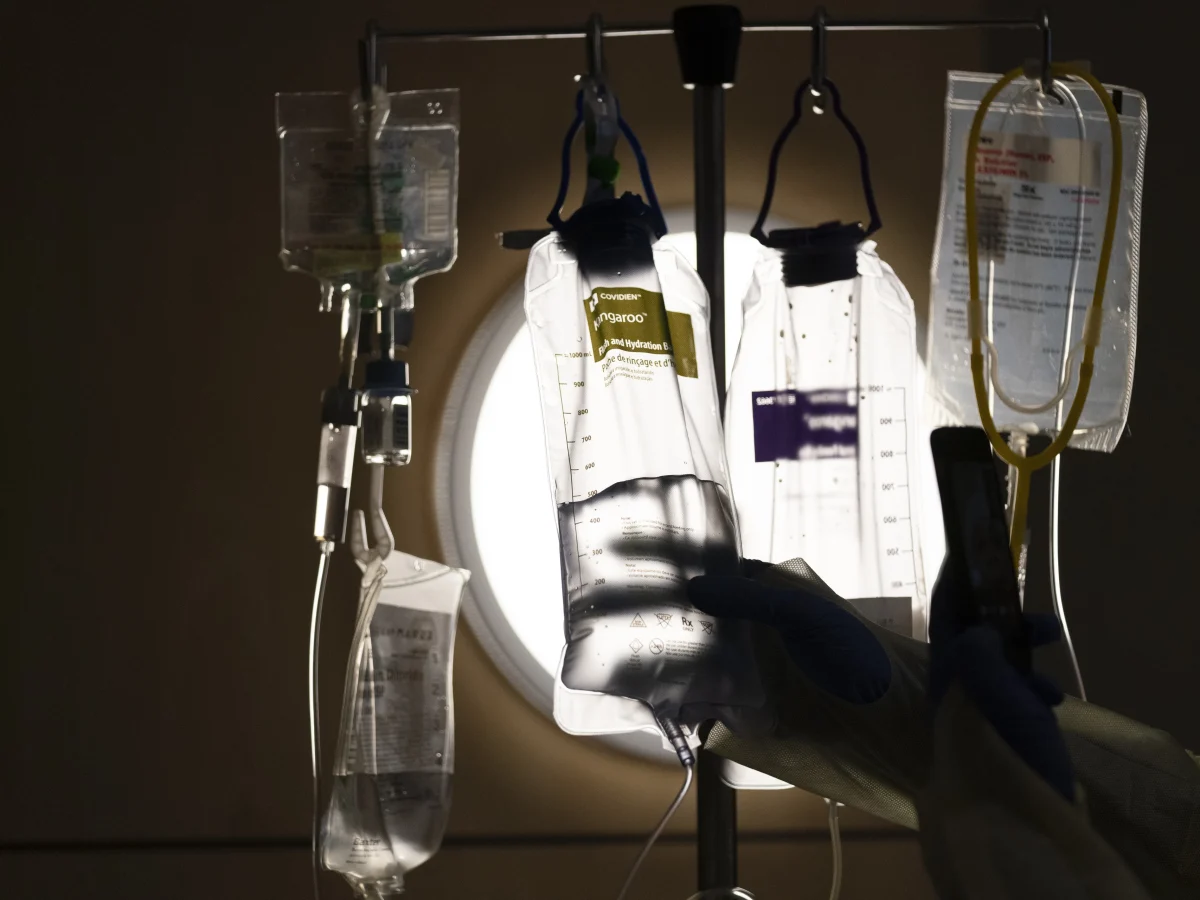
Manufacturers and feds work to stabilize supply of IV fluids for hospitals
After Hurricane Helene flooded an IV fluid factory in North Carolina, the government and industry are trying to mitigate shortages.
Posted inNPR
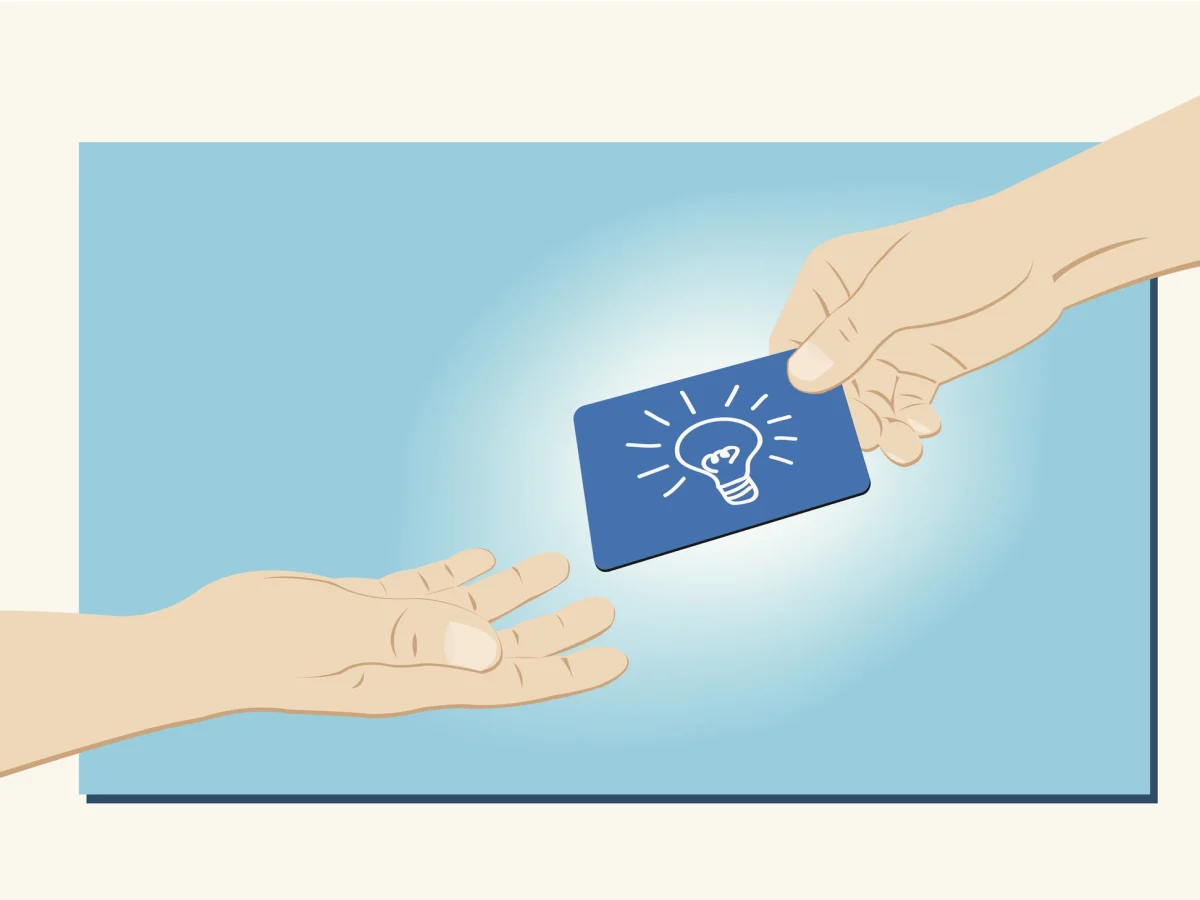
A controversial but effective treatment for meth addiction gains ground
Policymakers in California embrace a proven but unorthodox treatment for meth and cocaine addiction: Give people gift cards to stay off the drugs.

Posted inNPR
Fragile X held him back. An experimental drug is helping him break free
For 22 years, Jason Mazzola’s life was defined by a genetic condition that can cause autism and intellectual disability. Then he started taking an experimental drug.
Posted inNPR
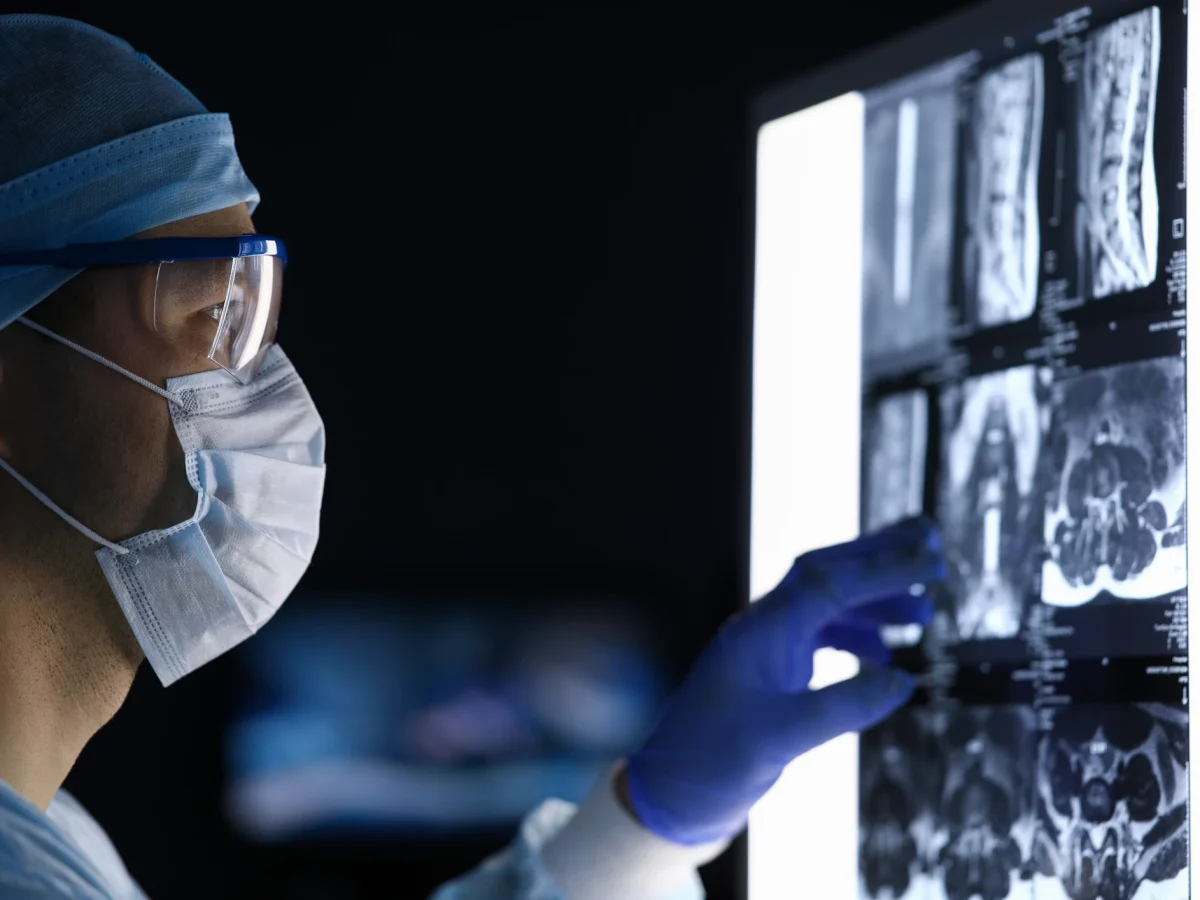
Report: Cancer diagnoses are more common but so is surviving
A new report shows rapid development of new cancer treatment and detection is helping people live more. But more people are also getting diagnosed, and at younger ages.
Posted inNPR
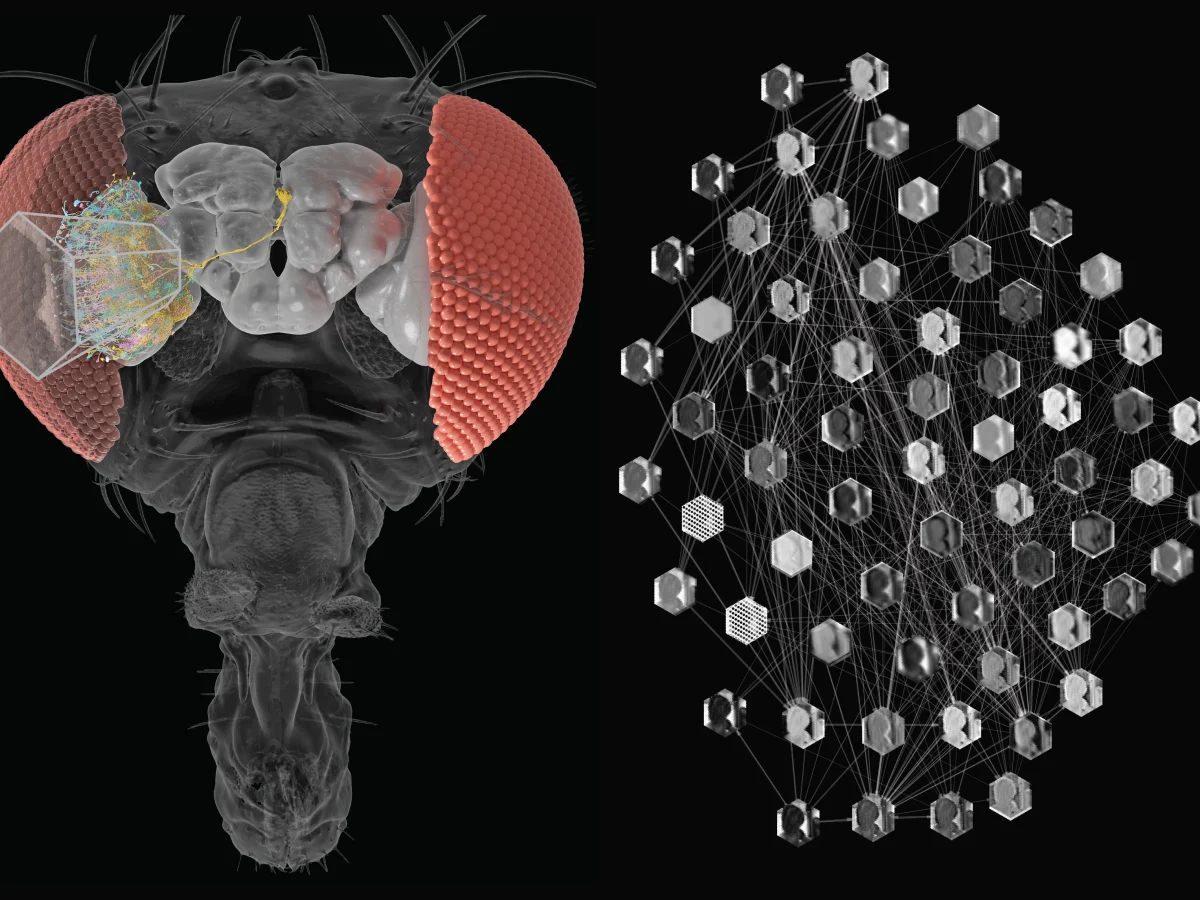
AI met fruit fly, and a better brain model emerged
A virtual version of a fruit fly’s visual system could help scientists understand how brain networks process information. The model could also lead to more efficient AI systems.
Posted inNPR
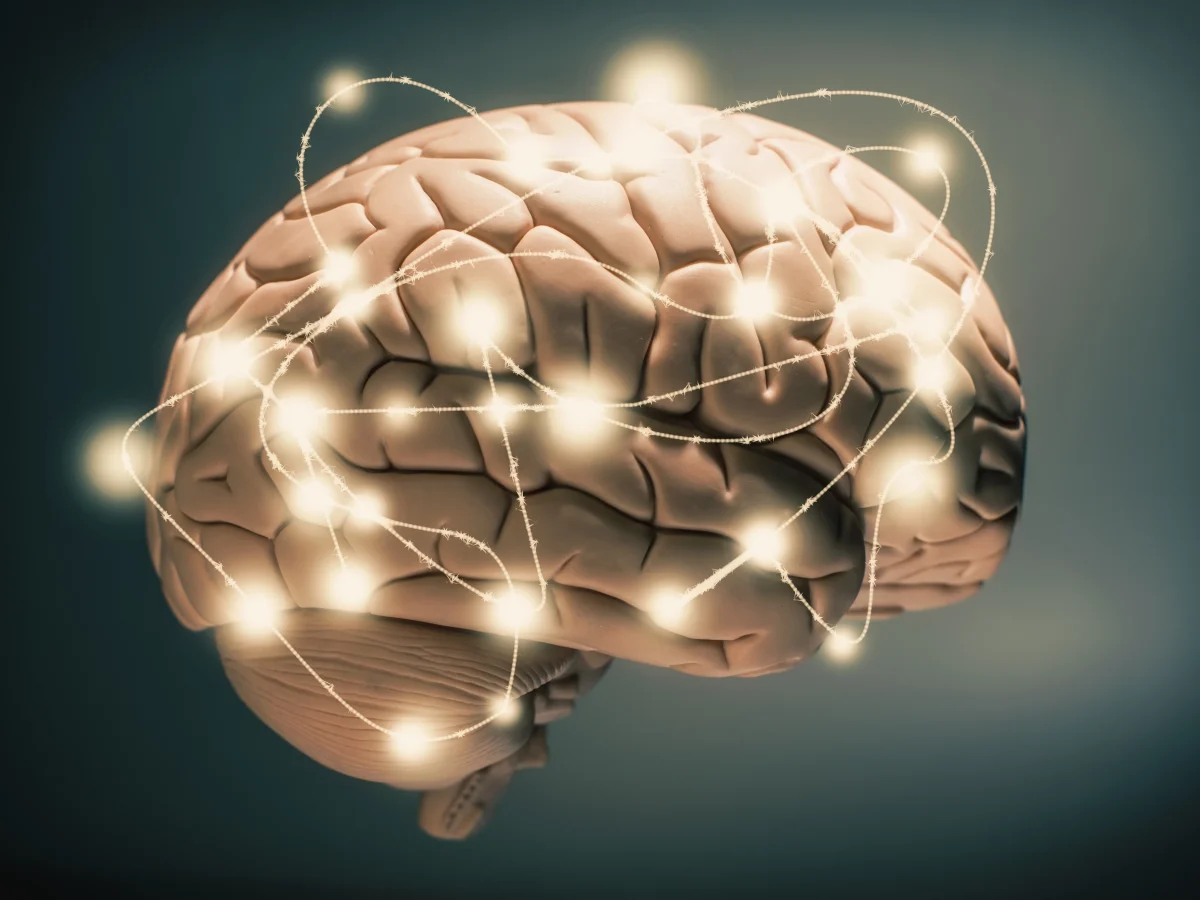
This metabolic brain boost revives memory in Alzheimer’s mice
An experimental cancer drug that helps the brain turn glucose into energy was able to reverse memory loss in a mouse model of Alzheimer’s disease.
Posted inNPR
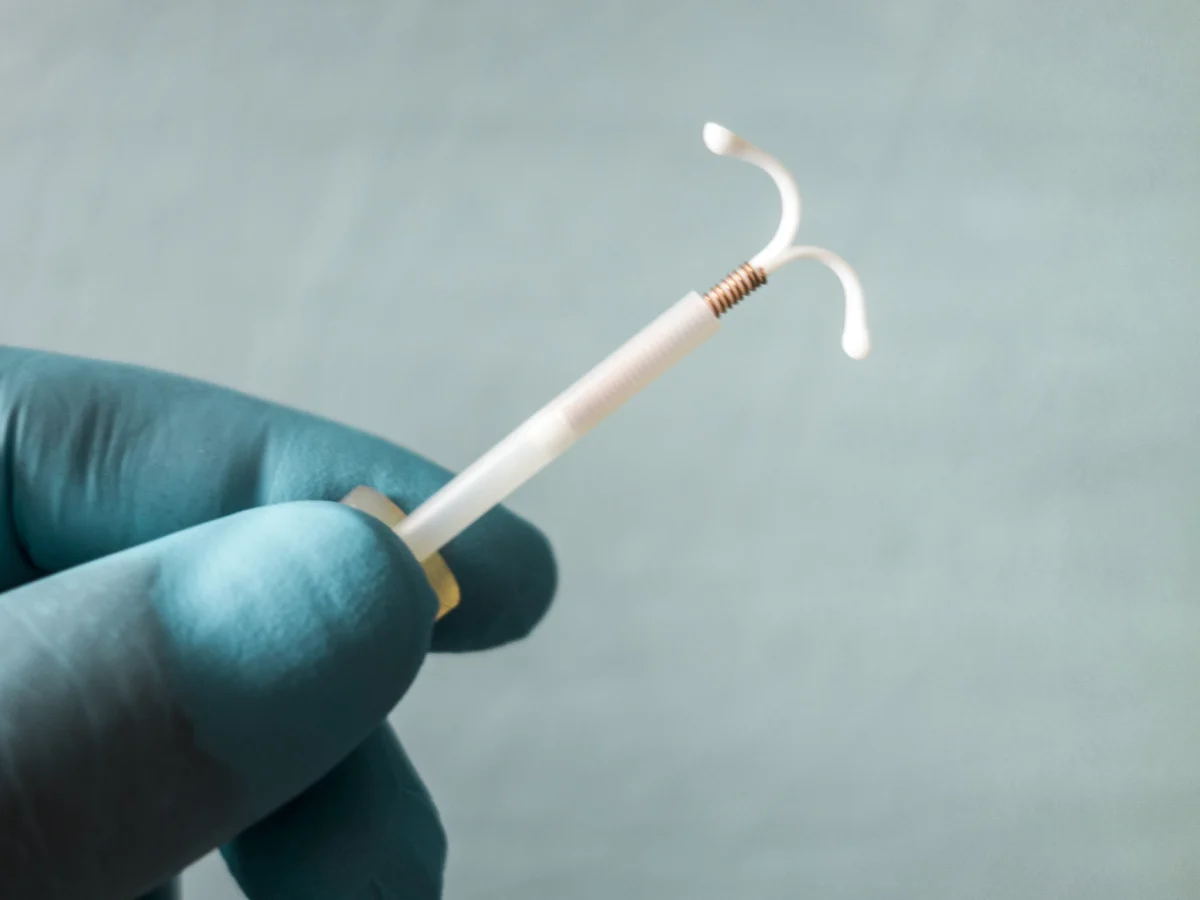
IUD insertions can hurt. The CDC advises doctors to do more to reduce the pain
Women have been complaining that doctors don’t warn them how much an IUD insertion can hurt — or offer pain relief. Now the CDC is recommending that doctors do more to help.