


The planned spacewalk — a first for a private mission — will rely on simply opening the spacecraft’s hatch.
Science
Posted inNPR
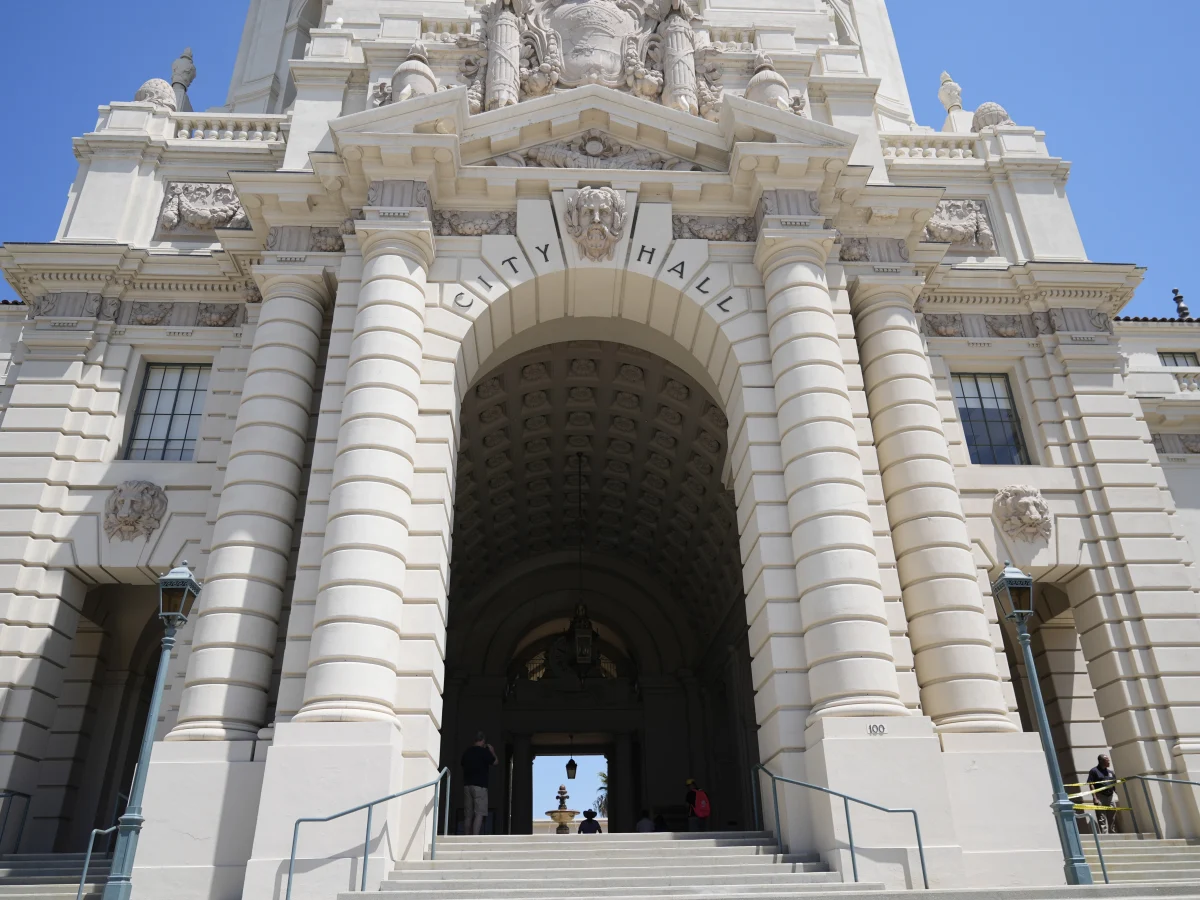
Earthquakes of the same magnitude can feel different. Here’s why
Distance from the epicenter, the kind of soil in your area and even the building you’re in can determine how you experience an earthquake.
Posted inNPR
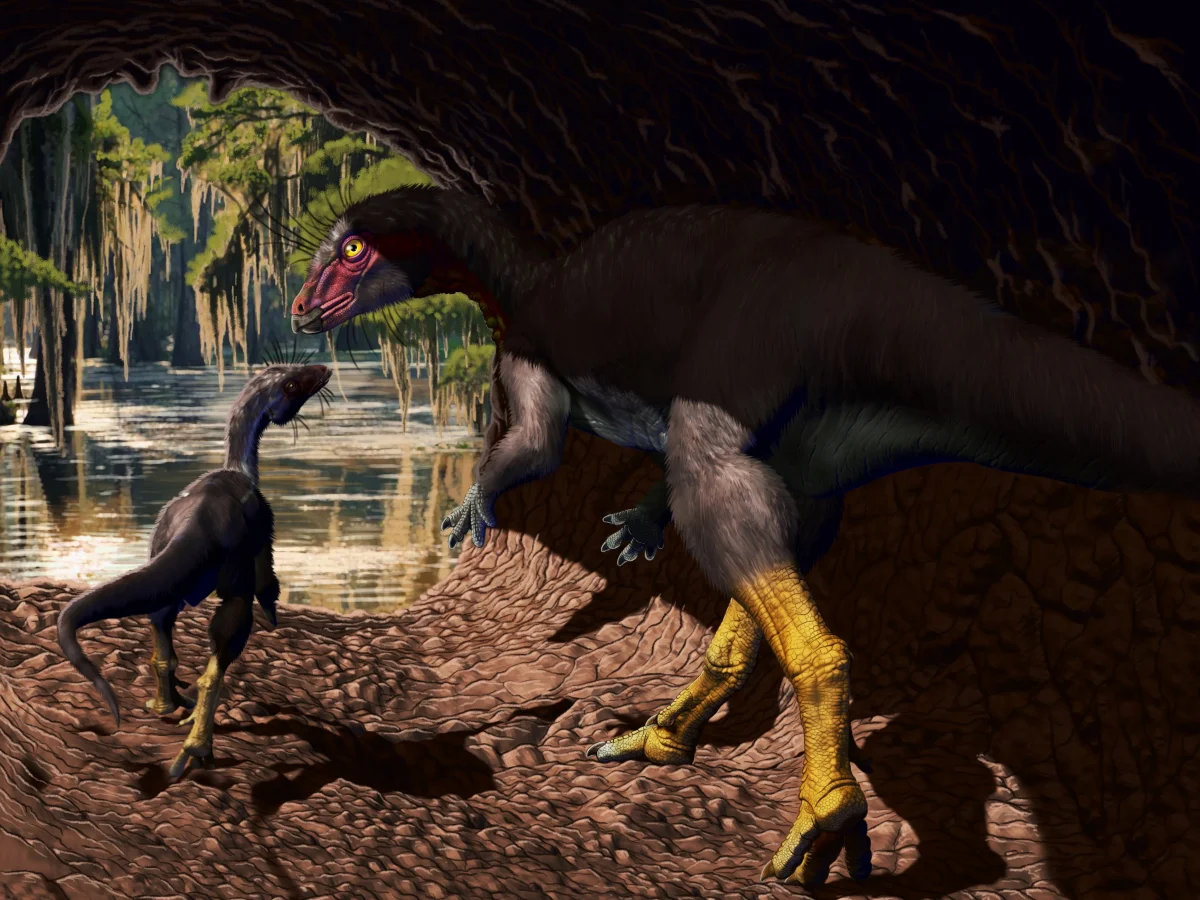
A newly-discovered dinosaur may have spent part of its life underground
A new dinosaur has been discovered in Utah by North Carolina researchers and paleontologists. They believe it was a burrowing species.

Posted inNPR
Women of color still lag behind in STEM jobs, despite efforts to change
STEM careers are still lagging when it comes to hiring women of color.
Posted inNPR
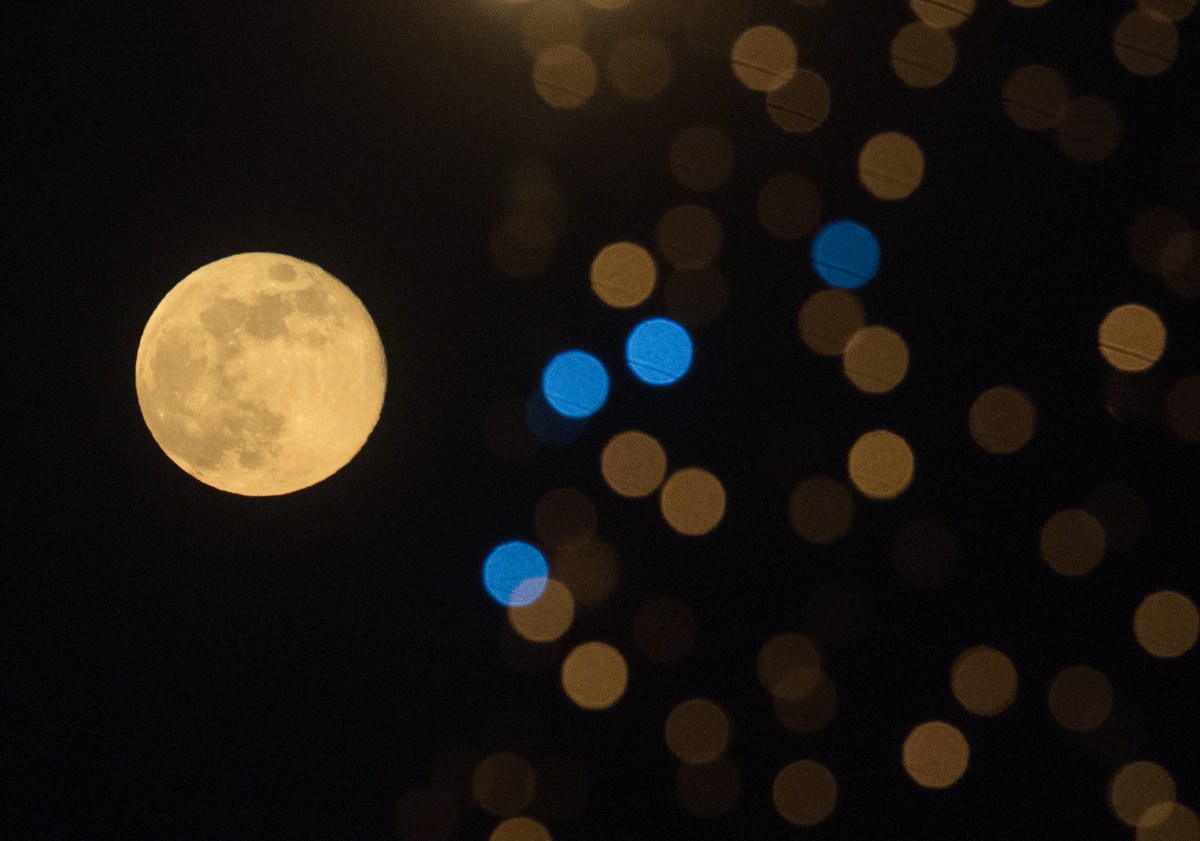
Navajo Nation objects to a plan to send human remains to the moon
A CEO of one of the companies offering “memorial spaceflights” says his customers view it as “an appropriate celebration” of their loved ones.
Posted inNPR
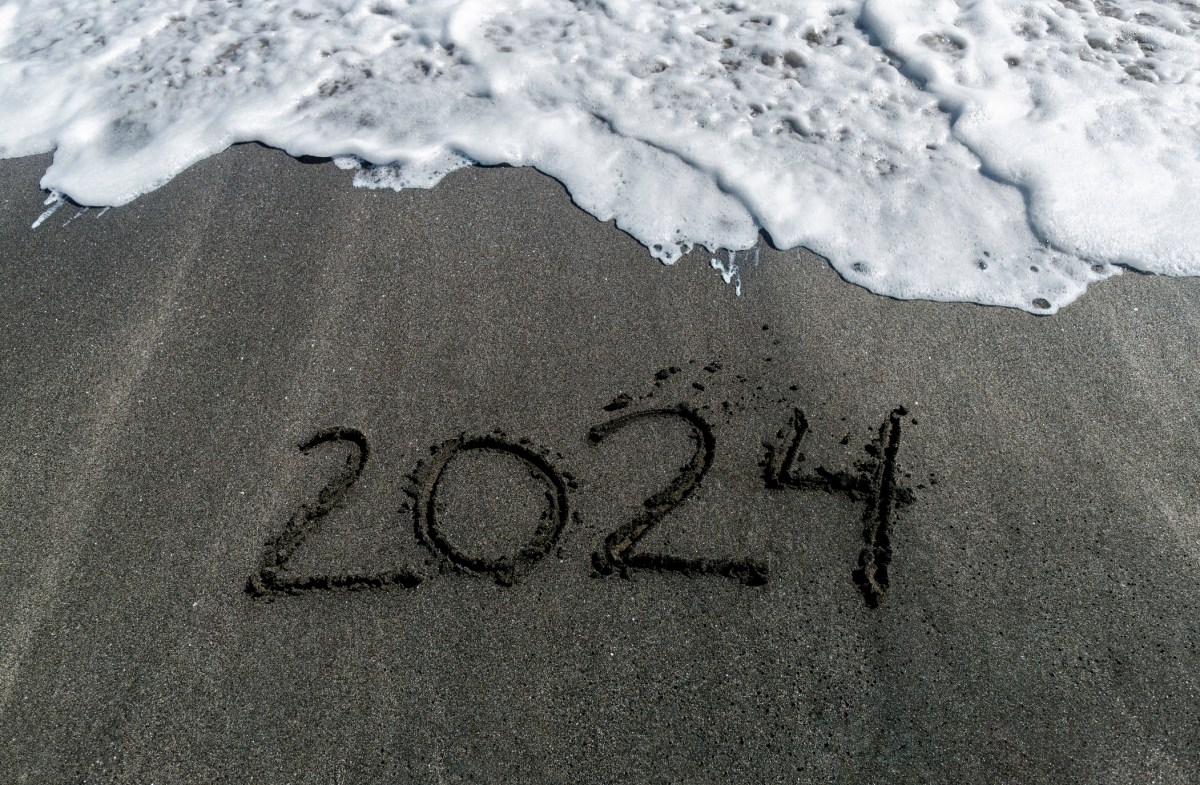
Don’t let your resolutions wash away. Tips to turn a slow start into progress
If you made a New Year’s resolution but are struggling to get started or are already wavering, you may need to refine your goal and nail down a plan to get there. Try this evidence-based approach.
Posted inNPR
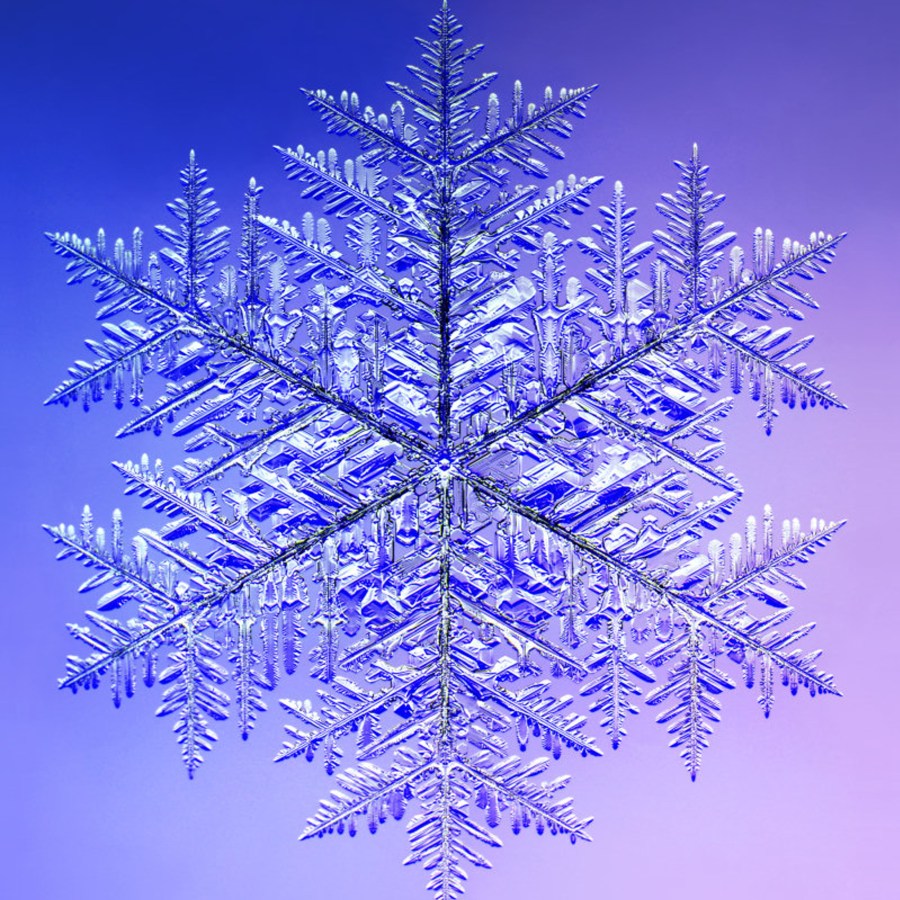
Winter storm brings snow to the East Coast. But what’s in a snowflake?
A winter storm brought heavy rain and snow to parts of the East Coast this weekend, which got us thinking about snowflakes. Those intricate, whimsical crystals are a staple of magical wintry scenes, but how big can they really get? Well, according to the Guinness World Record keepers, the “largest snowflake” ever recorded was a whopping 15 inches in diameter. It was spotted near Missoula, Montana in 1887. But Kenneth Libbrecht, a physicist at Caltech, has long been skeptical of that record. So he set out to find what makes a snowflake a snowflake and whether that 1887 record is scientifically possible. You can read more about what he discovered here.
Want to share the snowflakes you’ve spotted this winter? Email us a photo at shortwave@npr.org.
Posted inNPR
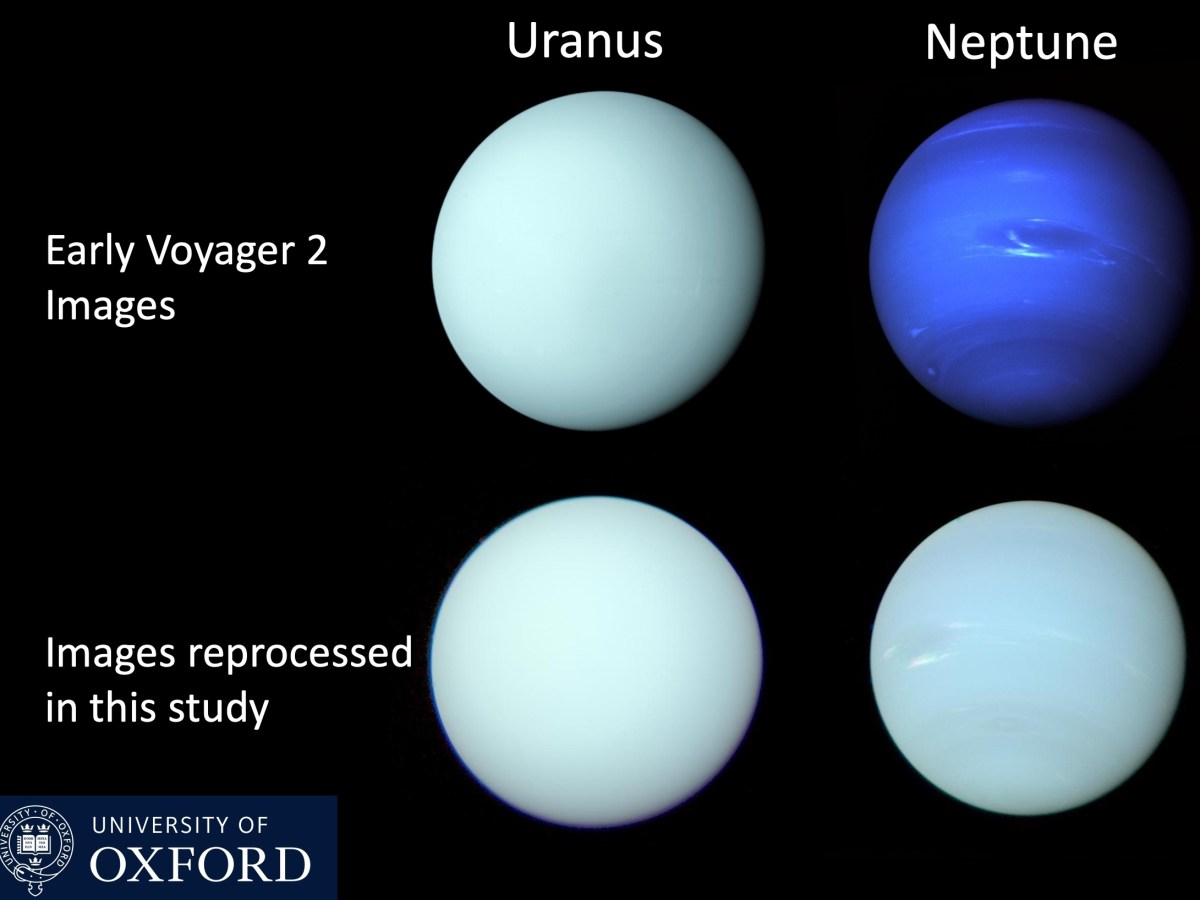
Don’t look so blue, Neptune: Now astronomers know this planet’s true color
Neptune has long been depicted as a deeper, darker blue than its fellow ice giant Uranus, but a new study shows that both are a similar shade of light greenish blue.

Posted inNPR
Hearing aids may boost longevity, study finds. But only if used regularly
Roughly 40 million adults in the U.S. have hearing loss, but most don’t use hearing aids. This increases the risk of social isolation, physical and cognitive decline and may lead to premature death.
Posted inArticle, Environment, Metro Desk
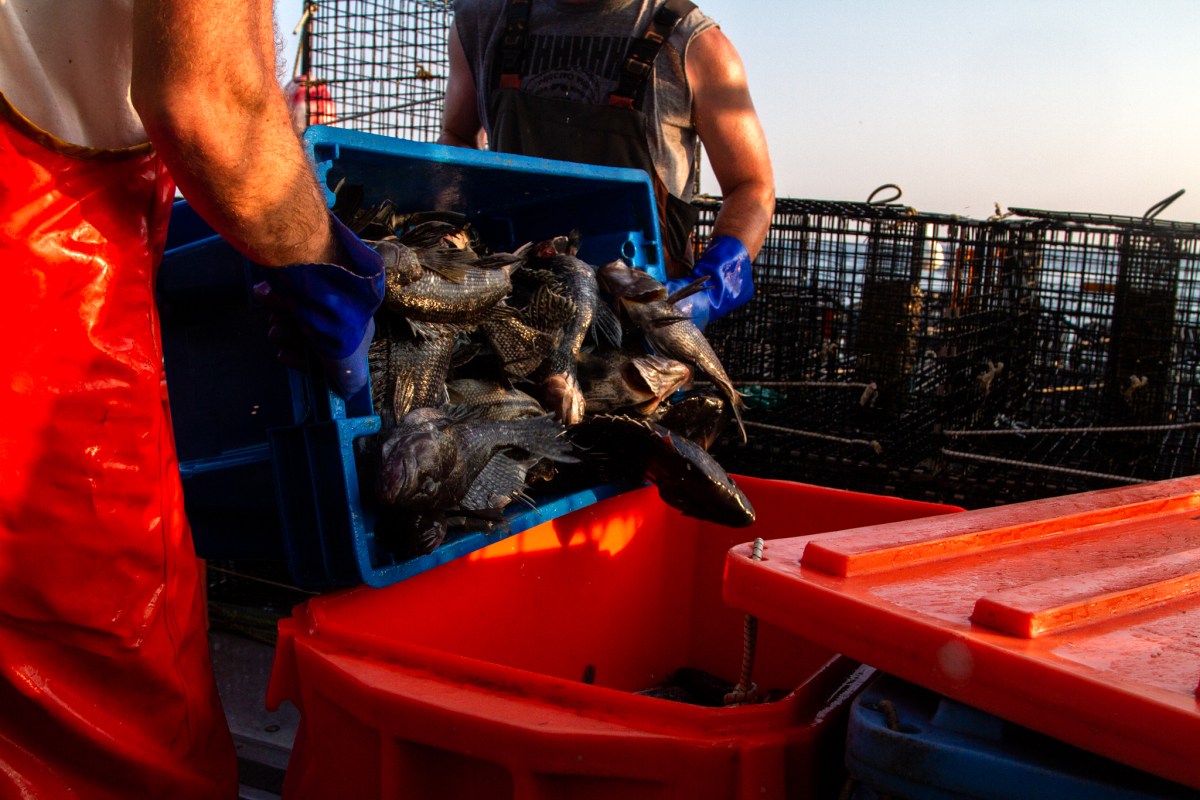
Why are we seeing more black sea bass in Rhode Island and Massachusetts?
A recent report from the state of Rhode Island shows that local landings of black sea bass are higher than ever before. That’s in part thanks to climate change. Warming waters mean black sea bass are moving northward. Now, as more Rhode Island fishermen target them, black sea bass is starting to appear on local dinner tables – filling plates left empty by species whose populations are dwindling due to climate change.