
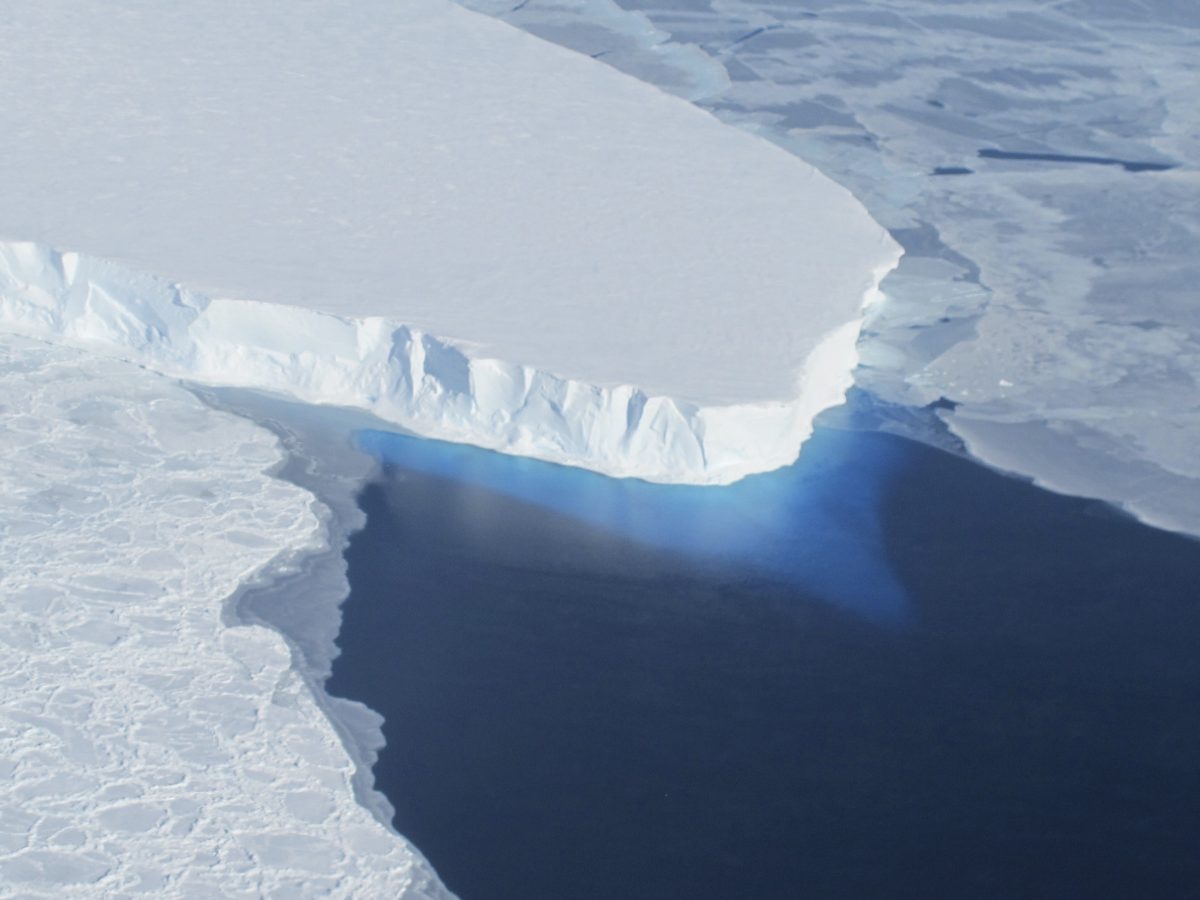

At 80 miles across, Thwaites is the world’s widest glacier. It has been nicknamed the “Doomsday Glacier” for the catastrophic effects its thawing could have on global sea-level rise.
climate change
Posted inNPR
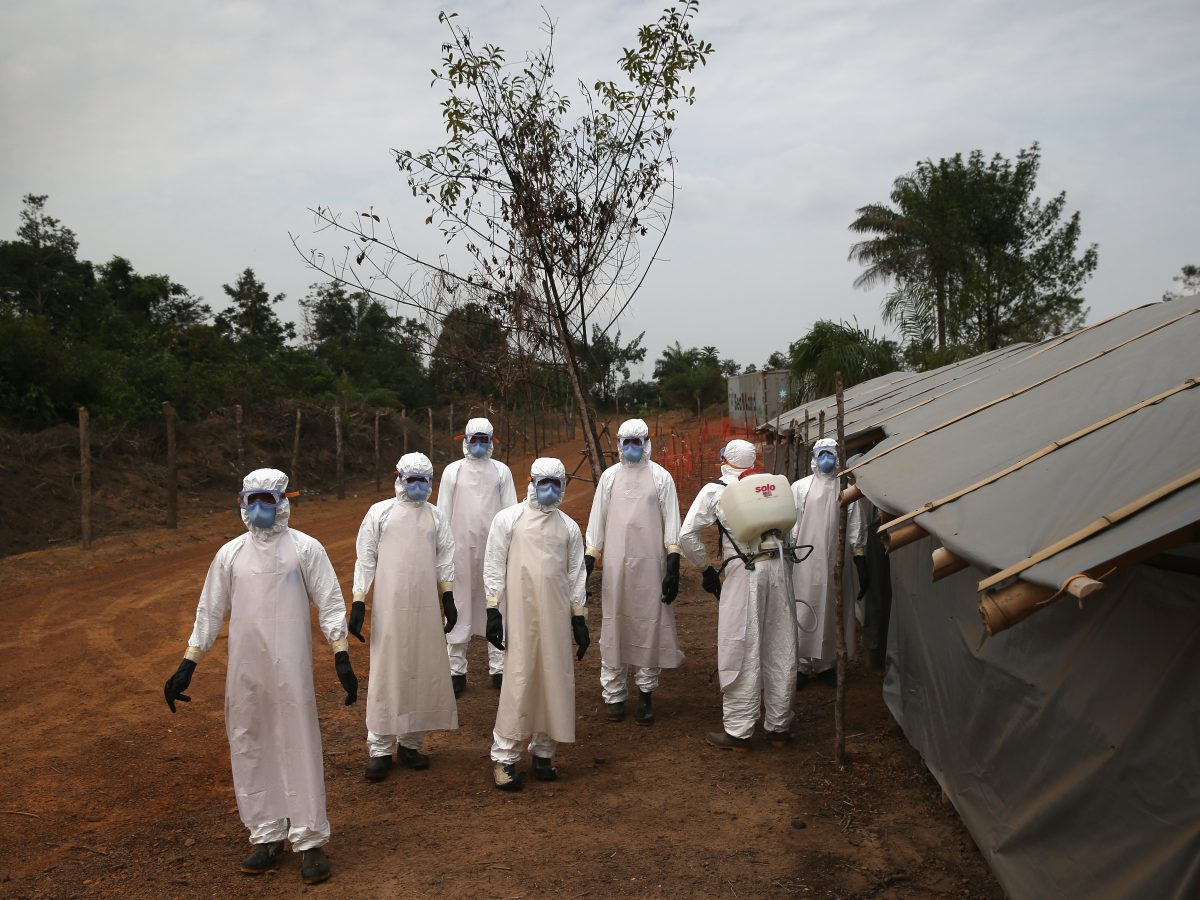
What’s worse for disease spread: animal loss, climate change or urbanization?
Scientists are looking at the ways humans change the planet– and the impact that has on the spread of infectious disease. You might be surprised at some of their conclusions.

Posted inNPR
More than 200 million seniors face extreme heat risks in coming decades, study finds
A new study warns that millions of people around the world who are 69 years or older will be at risk of dying in heat waves by 2050.
Posted inNPR
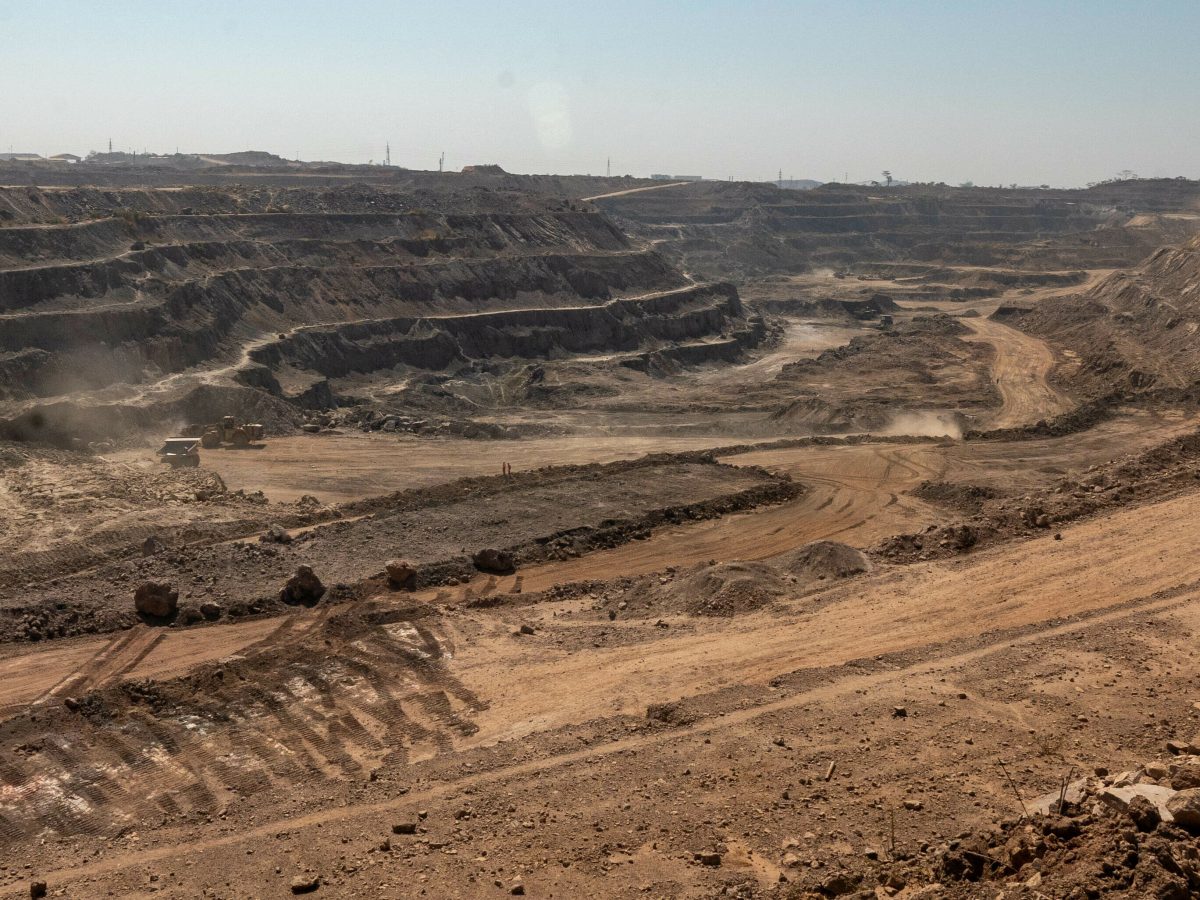
Does mining for batteries erase the climate benefits of EVs? No, and here’s why
NPR listeners wrote to ask whether the environmental harm from building EVs “cancels out” the cars’ climate benefits. Experts say the answer is clear.
Posted inNPR
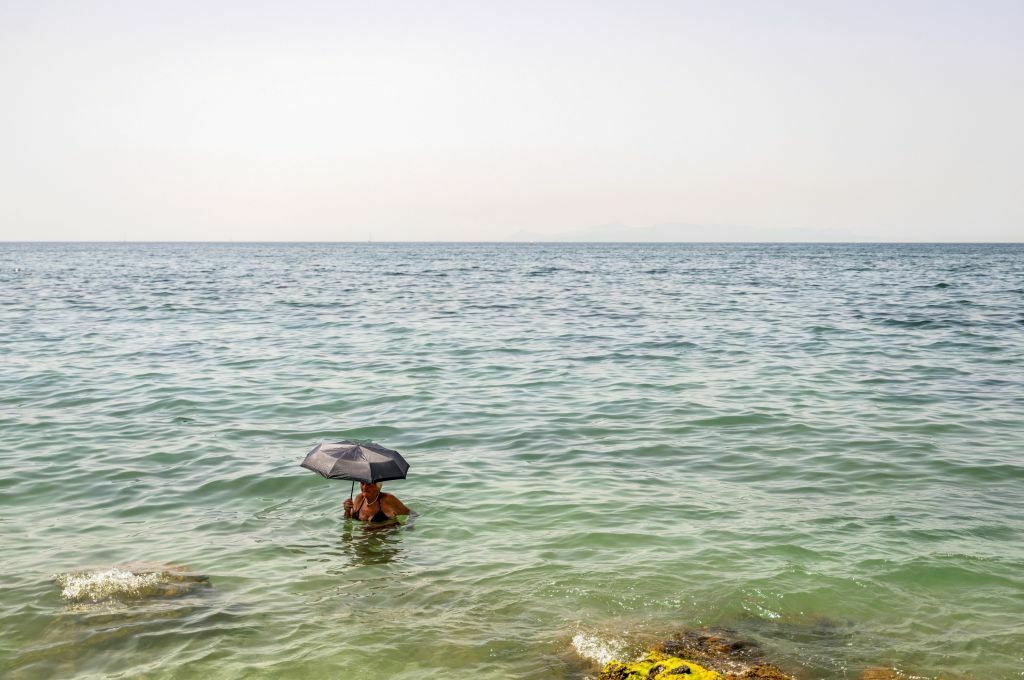
El Niño is on the way out after a record-breaking year of heat
El Niño helped drive global average temperatures to new records over the last year. Forecasters say it’s waning, but that 2024 may still be one for the record books.
Posted inEnvironment, Possibly Podcast
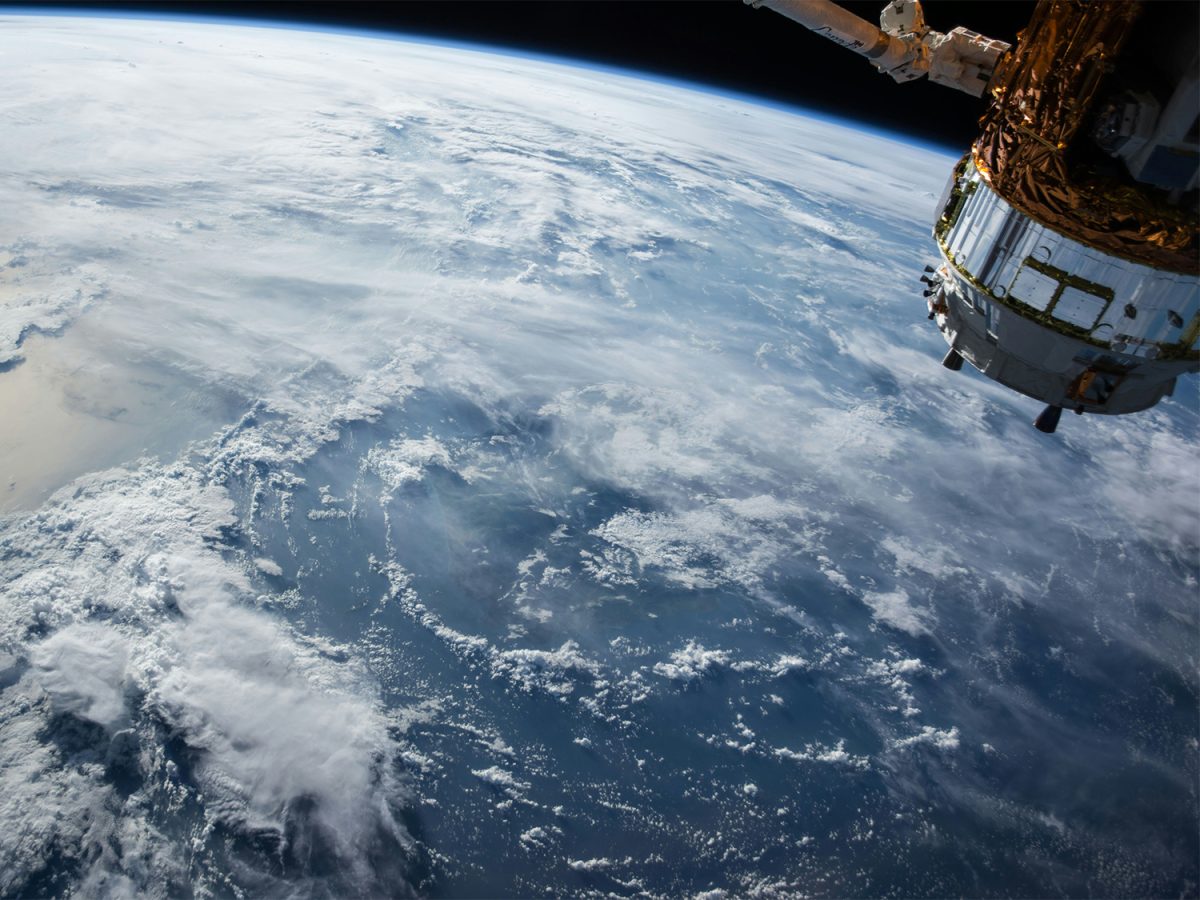
Could we use a space umbrella to cool down the planet?


Literally blocking out the sun may sound extreme, but scientists are debating whether using dust particles to reflect sunlight away from the Earth could be a temporary solution if climate change gets out of control.

Posted inStories
Climate activist who defaced Edgar Degas sculpture sentenced to 60 days in prison
A federal judge sentenced Joanna Smith to 60 days in prison for smearing paint on the case surrounding Edgar Degas’ Little Dancer, Aged Fourteen at the National Gallery of Art.
Posted inNPR
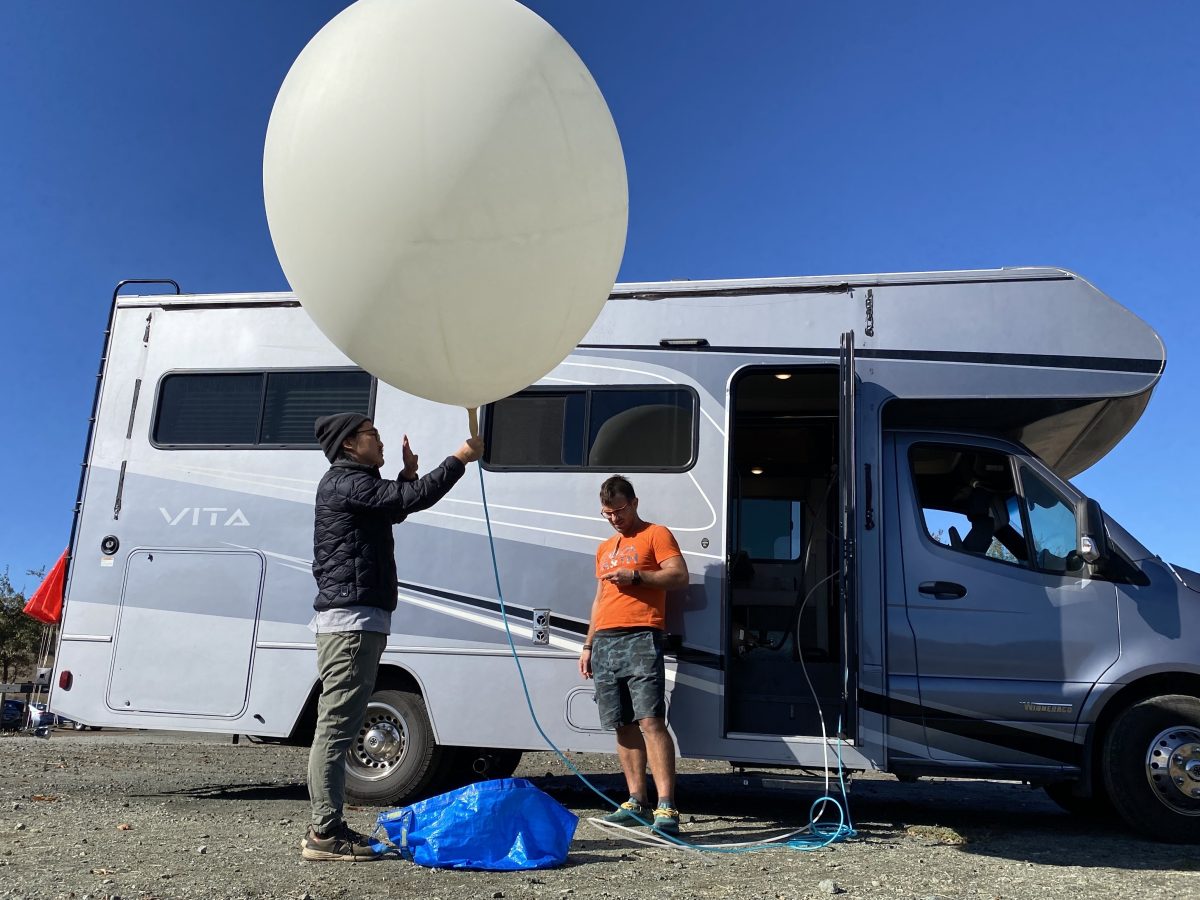
Startups want to cool Earth by reflecting sunlight. There are few rules and big risks
In a parking lot and on San Francisco Bay, NPR witnesses two different tests for solar geoengineering to tackle climate change. With much science unsettled, experts say regulations aren’t keeping up.
Posted inNPR
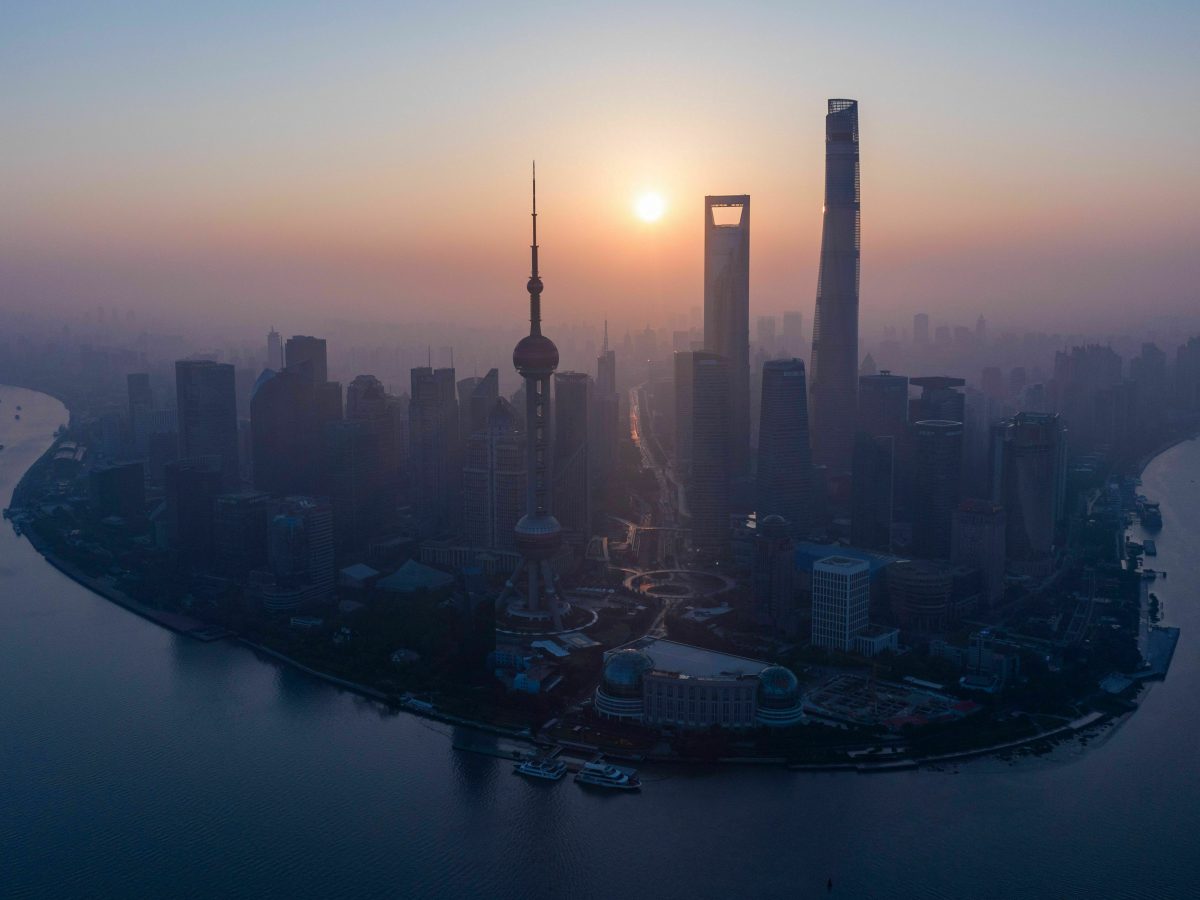
China’s cities are sinking, putting tens of millions at risk
Nearly a third of China’s urban population lives in areas that are subsiding, according to a sweeping national survey of 82 major Chinese cities. In coastal areas, that makes sea level rise worse.
Posted inNPR
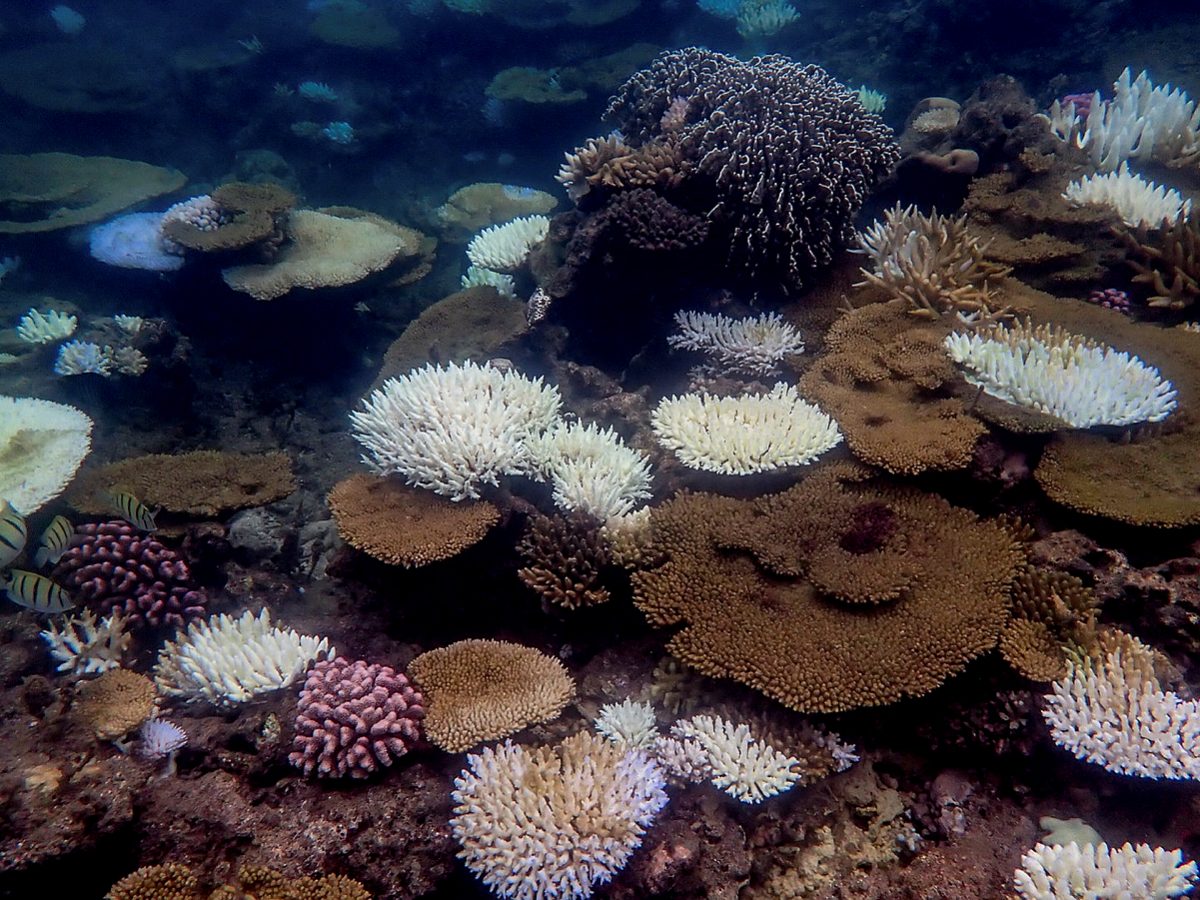
Coral reefs can’t keep up with climate change. So scientists are speeding up evolution
Climate change is heating oceans faster than the world’s coral reefs can handle. So scientists are breeding corals that can withstand hotter temperatures – but only to a point.