

Overview:
Housing, healthcare, a tougher budget and the Law Enforcement Officers Bill of Rights top the list of priorities.
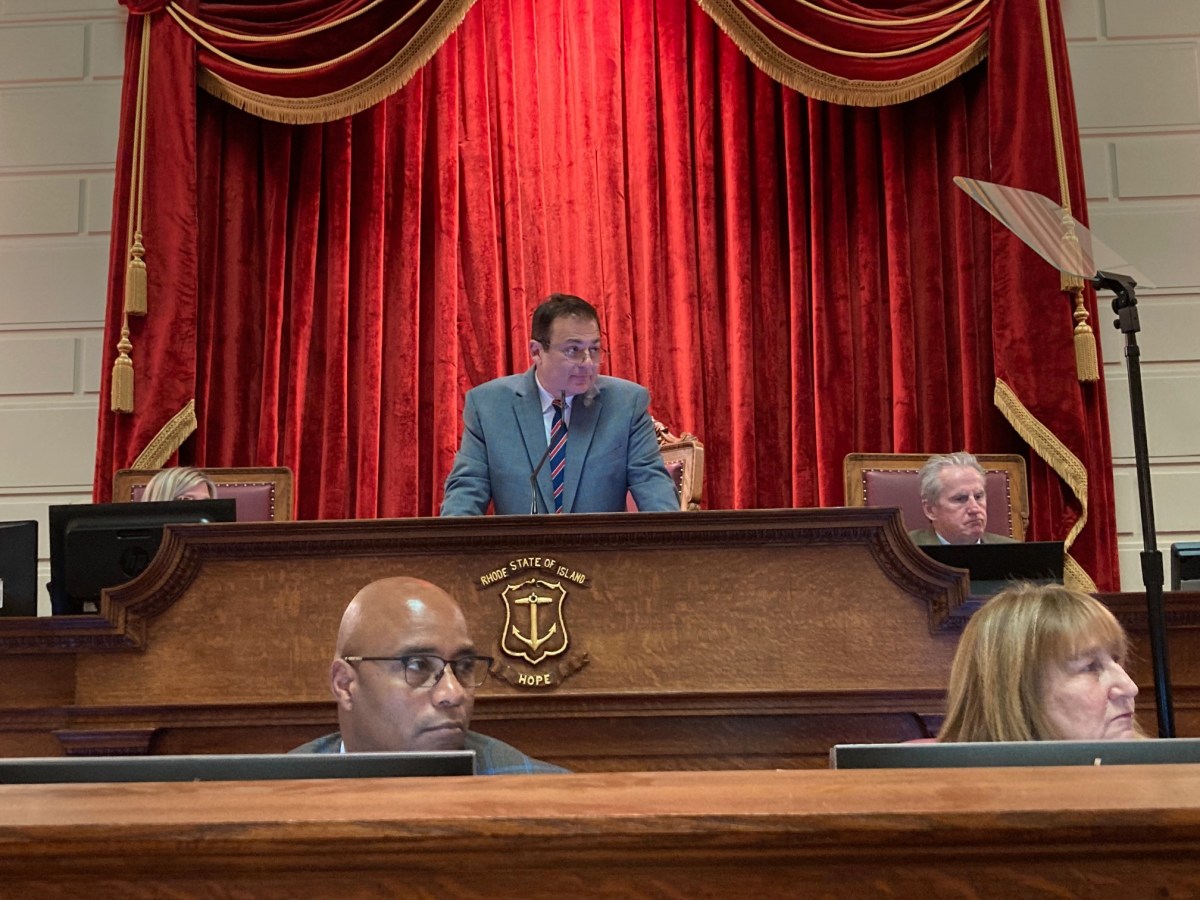
Rhode Island’s 113 lawmakers returned to the Statehouse Tuesday, kicking off an annual session that usually runs through June. The meeting was punctuated by the passage of a revised version of the governor’s budget and marked by exchanges over high-profile issues.
Here are some highlights of the new session:
***Rhode Island lawmakers have enjoyed an unusually plush budget climate in recent years, thanks to huge amounts of federal COVID aid. But the gravy train is over and the perennial deficits that used to mark the state loom on the horizon. House Speaker Joe Shekarchi tried to flip the narrative in his opening day remarks, pointing to how Rhode Island has avoided a recession – but he also renewed his effort to dampen lawmakers’ expectations about funding all of their budget priorities: “I want to caution all of you: this year there are some very tough decisions ahead.”
***Weaknesses in Rhode Island’s healthcare and hospital landscape have increasingly come into view, due in part to how the California-based owner of Roger Williams Medical Center in Providence and Our Lady of Fatima Hospital has lagged in paying vendors. Related issues are starting to get more legislative attention. Senate President Dominick Ruggerio, whose district includes Fatima, said the following during his opening day remarks: “It is critical that we focus on ensuring the strength of our community hospitals, attracting and retaining primary care physicians, and ensuring all Rhode Islanders can access quality care. That includes taking steps to address Medicaid reimbursement rates … an area especially important to each and every member of this body.”
***Rhode Island’s housing shortage remains a major crisis, inhibiting the state’s growth. While the state has approved considerable money and lawmakers have passed a host of bills meant to help address the situation, tangible progress has been hard to find. Shekarchi made his sharpest remarks in reproaching a handful of communities that he said are resisting new laws meant to address the situation: “We must not let this pushback to alter our course. We must stand our ground and allow the reforms to take effect. And let us renew our effort to get ADUs [accessory dwelling units] over the finish line in 2024.” A bill meant to spur the conversion of ADUs died in the Senate last year.
***Reform of the Law Enforcement Officers Bill of Rights is ticketed to pass. The protests in Providence sparked by the murder of George Floyd in 2020 ramped up pressure to change the law governing discipline of police, but LEOBOR reform has languished in recent sessions. Passing a reform is now a priority for both legislative leaders.
***Legislative elections take place every two years, so this is an election year for General Assembly members. Republicans hold just nine of 75 seats in the House of Representatives and five of 38 in the state Senate. Top Democrats, meanwhile, repulsed efforts by a progressive group, the Rhode Island Political Cooperative, to double-down in 2022 on its gains from 2020, even as the legislature has trended in a more progressive direction.
***The most important role for lawmakers is passing a revised version of the budget submitted by the governor in January. This follows months of hearings and then typically takes place quickly near the end of the legislative session in June.
***Rhode Island’s part-time legislature typically meets three afternoons a week, Tuesday through Thursday – but while it’s waiting for bills to be filed, it’s starting off the new year with the Senate meeting on Thursdays, and the House meeting Tuesday and Wednesday next week, and then on Tuesdays and Thursdays. Lots more details can be found on the legislative website.
Political reporter Ian Donnis can be reached at idonnis@thepublicsradio.org.
