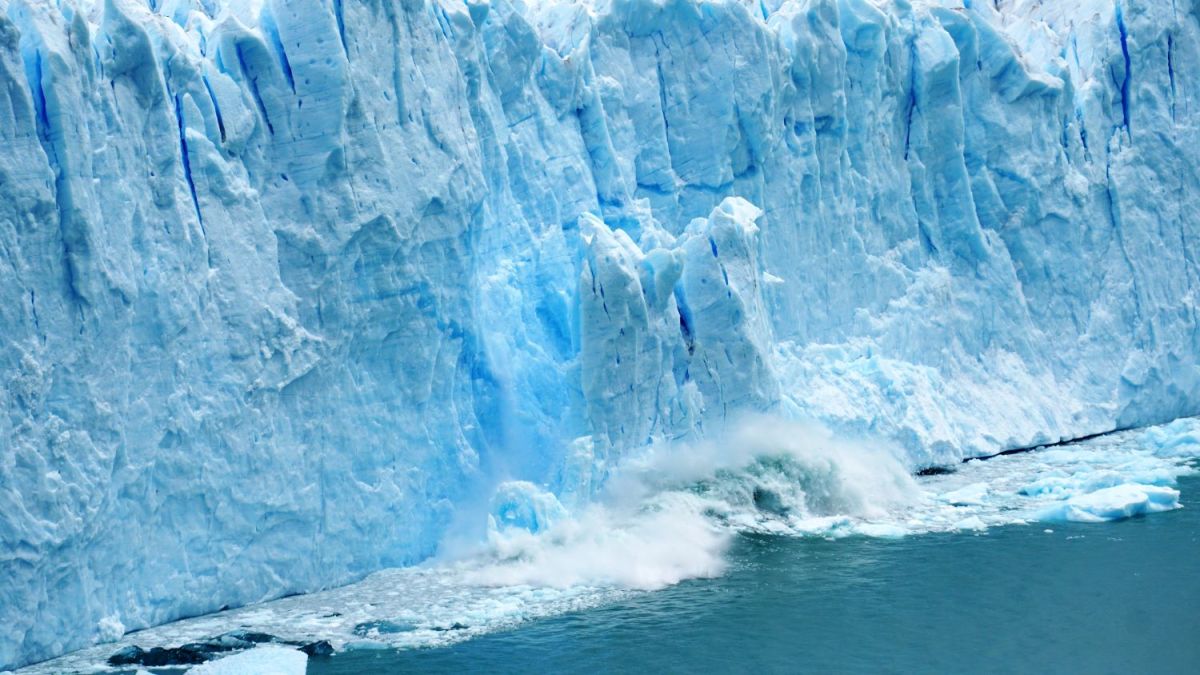


Today, we have a question from one of our reporters, Kolya Shields. They keep seeing time-lapse photos showing ice sheets shrinking faster and faster. That made them curious about the impacts of this melting, and what we might be able to do about it.

Janek Schaller
Reporter for Possibly
Posted inEpisode, Possibly Podcast
How are other cities responding to rising waters? Part 2

In the last few weeks, we’ve talked about towns that are creating plans to prepare for rising waters. Today, we’re taking a look at an example of what can happen when that planning is too slow. What should cities do when people want to leave because of climate-related disasters?
Posted inEpisode, Possibly Podcast
How are other cities responding to rising waters?
Today, we’re talking about how cities and towns are preparing for rising waters. Right here in Rhode Island, the town of Warren is developing a plan to relocate residents who live in an area that’s prone to flooding. But Warren isn’t the only place that is threatened by rising sea levels. In order to get some perspective, we looked at other communities that are grappling with the same issue.
Posted inEpisode, Possibly Podcast
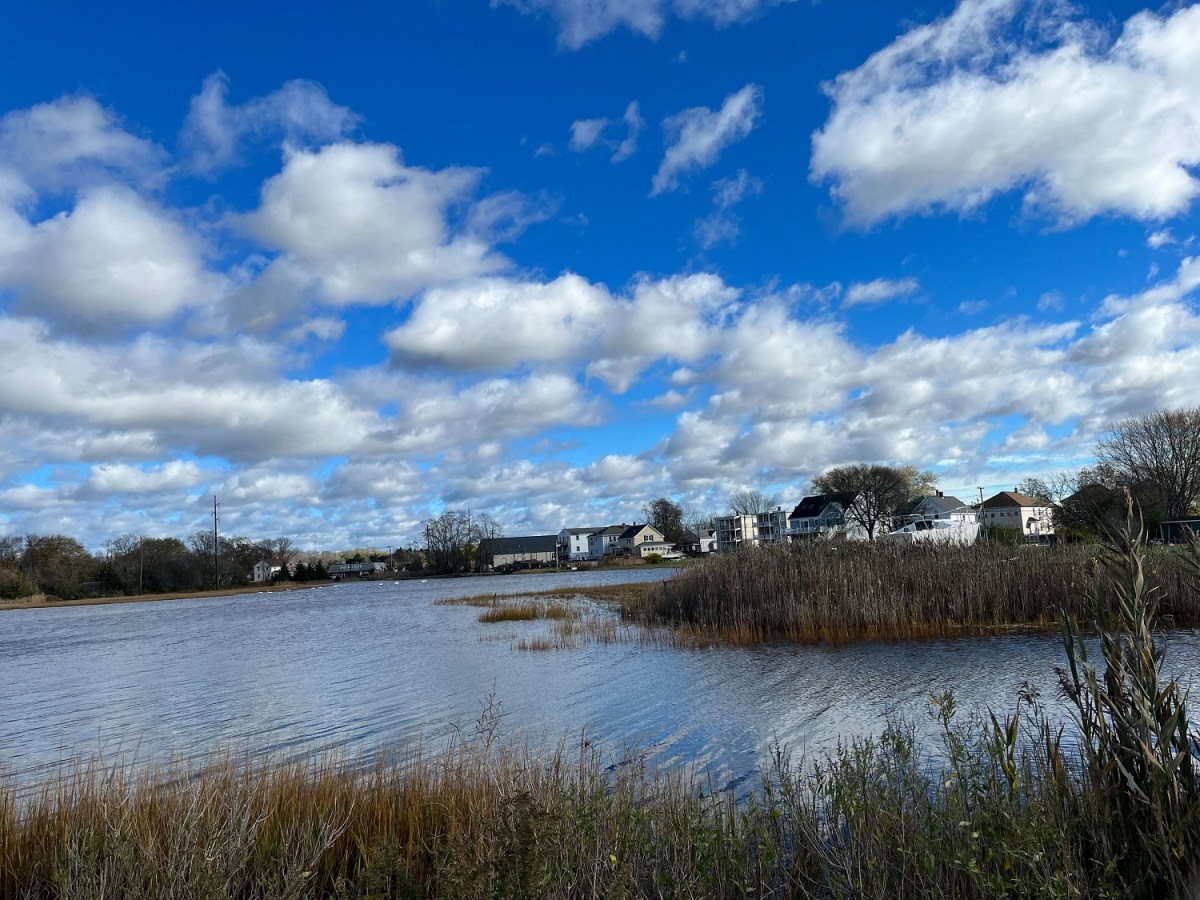
What do you do when rising waters threaten a neighborhood?
Warren, Rhode Island is one of the smallest towns in the smallest state — but when it comes to dealing with climate change, it has big plans. Located on the East Bay, the town is already seeing the effects of rising sea levels, and it’s starting to adapt.
Posted inEpisode, Possibly Podcast
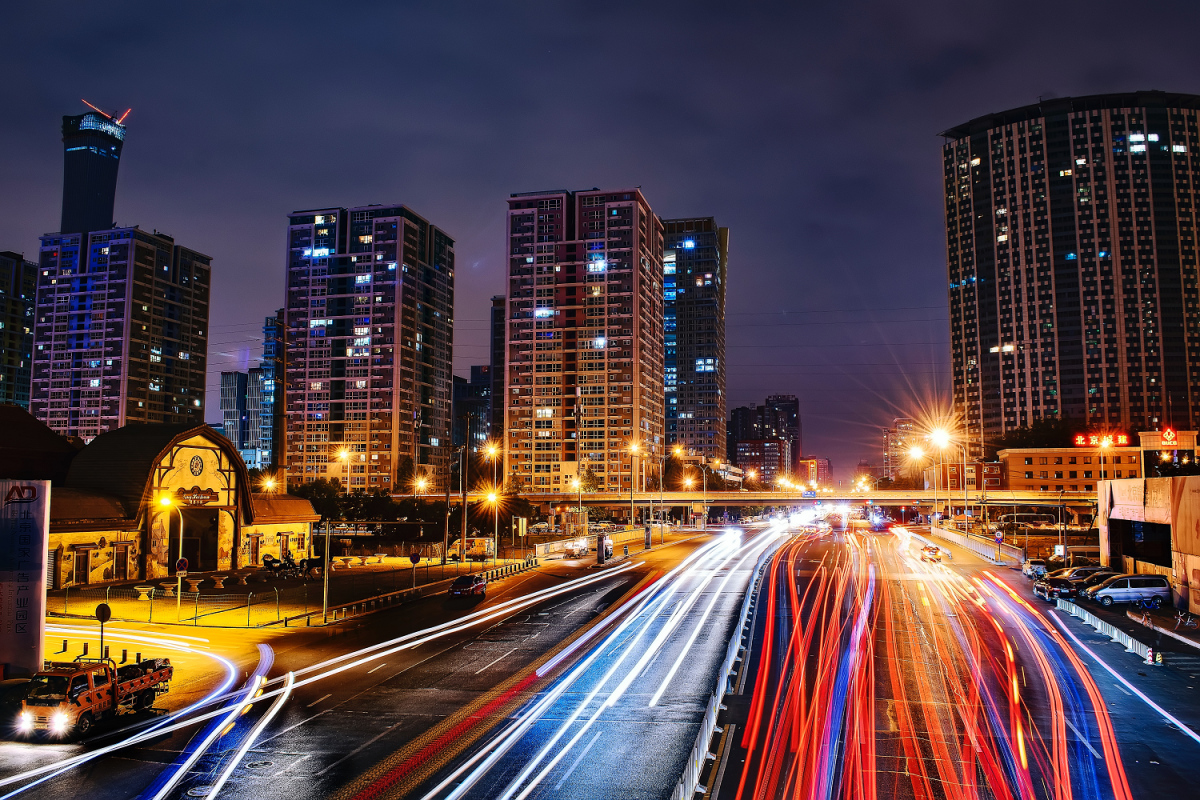
Should we be turning our lights out for birds?
A lot of birds will circle well-lit buildings until they’re too exhausted to fly anymore. Then they’ll fall to the ground, where they usually die without food or water.
Posted inEpisode, Possibly Podcast
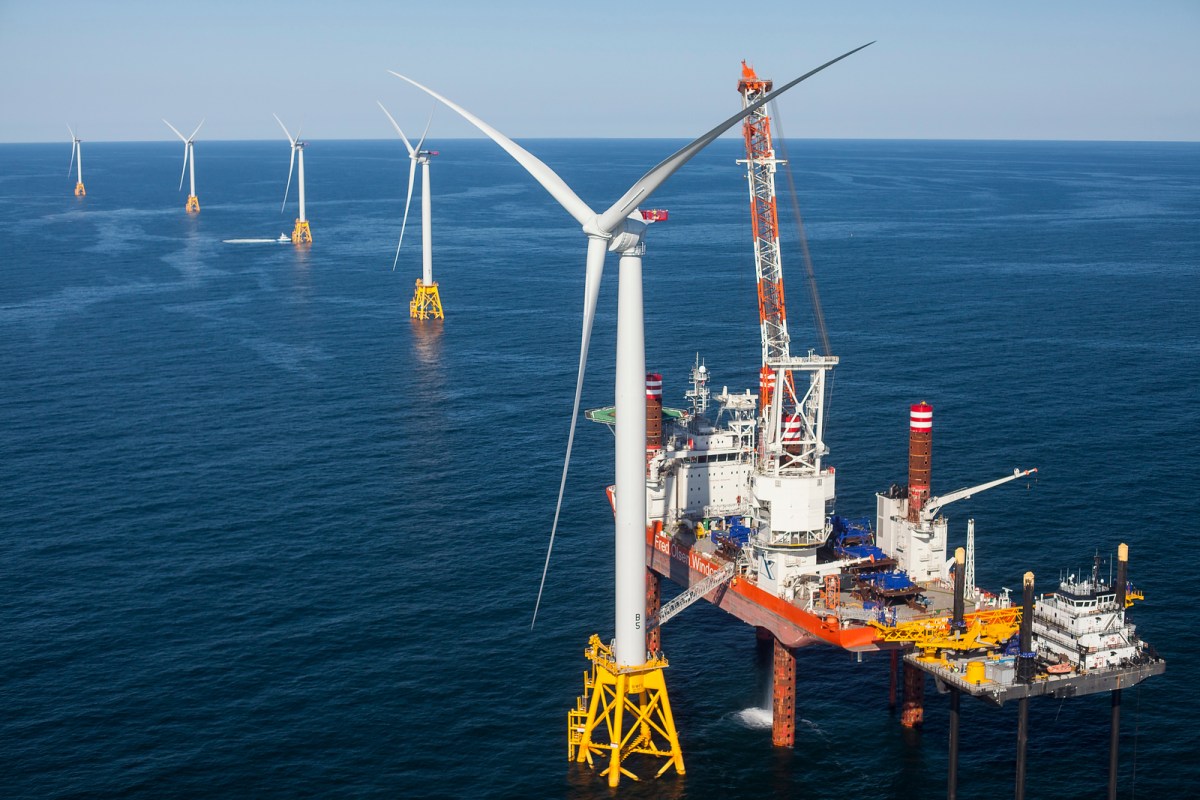
How did Rhode Island get the first offshore wind farm in the country?

Today, we’re traveling to Block Island, the vacation spot off the southern coast of Rhode Island. Block Island is also famous for its offshore wind farm- the first of its kind in the entire nation. What did it take to make this project possible? And is it a success?
Posted inEpisode, Possibly Podcast
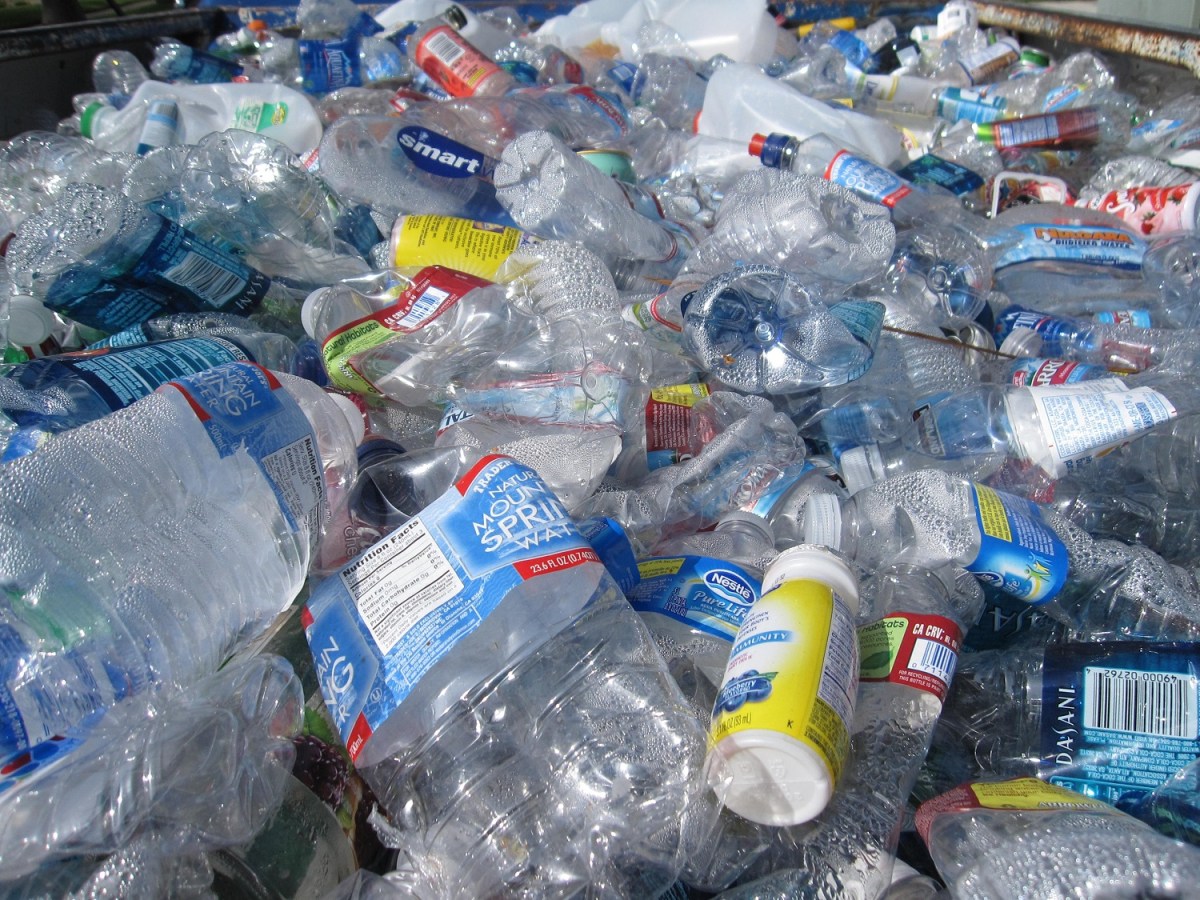
When did we start recycling?

We get a lot of questions about recycling, asking what to do with aluminum cans, glass, paper, or even plastic. All this has me wondering: when did we start recycling? How did it get so popular?
Posted inEpisode, Possibly Podcast
What happened to the hole in the ozone layer?
When I was growing up, I remember hearing about a hole in the ozone layer. It was a big deal. But I don’t really hear about that issue anymore. Is the ozone layer still in danger, and what happened to the hole?
Posted inEpisode, Possibly Podcast
Would it be possible to get all of our food from local farms?

Today, we’re digging into urban agriculture. Would it be possible to get all of our food from local farms?
Posted inEpisode, Possibly Podcast
How can we protect bees?

You probably already know that plants with flowers need bees to survive. And so do we, if we want to keep eating fruits and vegetables. You may also have heard that bee populations are dwindling, and we need to protect them. But, how?