

Nearly three-quarters of the country reported declines in fatal opioid overdoses in the second half of last year, but in Rhode Island they increased 7 percent, according to a new report by the nonprofit Kaiser Family Foundation.
The reason: More people 65 and older in Rhode Island died of opioid overdoses.
Rhode Island is among 12 states – and the only one in New England – where fatal opioid overdoses rose year-over-year during the second half of 2023, according to the report. In Massachusetts, opioid overdoses during the same period declined 16%.
The analysis is based on data from the U.S. Centers for Disease Control and Prevention.
Overall, fatal drug overdoses of all types in Rhode Island declined in 2023 for the first time in five years, with similar dips in other New England states. About 85% of the fatal overdoses in Rhode Island last year involved opioids.
It’s not yet clear why Rhode Island had a higher share of older people dying of opioid overdoses, said Heather Saunders, the KFF report’s lead author. Even after analyzing the full-year CDC data from 2022 to 2023, she said, the vast majority of Rhode Island’s increase in fatal opioid overdoses — 12 of the 14 people that made up the increase, or 86% — were aged 65 and older. Nationwide, seniors made up 16% of opioid overdoses during the same period.
One reason may be Rhode Island’s size. “Even with full years of data,’’ Saunders said, “the underlying numbers are small, and small numbers can inflate percentage changes.’’
Demographic differences also likely factor into why Rhode Island’s share of opioid deaths are skewing older. More than 18% of Rhode Island’s population is 65 and older, the 14th highest in the country in 2020, according to the Washington, D.C.-based nonprofit Population Reference Bureau.
Though illicit drug use typically declines after young adulthood, fatal opioid overdoses nationwide have been rising among seniors. A study published in 2023 in JAMA Psychiatry found that fatal drug overdoses among people 65 and older during the last two decades have quadrupled.
The increase in brain sensitivity to psychoactive substances as people age and the higher prevalence of chronic pain put older adults at higher risk of fatal overdoses, said Dr. Benjamin Han, a geriatrician and addiction medicine specialist at UC San Diego. Aging also is often accompanied by the loss of social networks and support, he said, “that result in increase in social isolation, loneliness and boredom that can be a trigger” for drug use.
“We are also seeing an increasing number of older adults living with substance use disorders, sometimes for decades,’’ Han said, “and our healthcare system has not prepared to treat substance use disorders with co-occurring chronic diseases.’’
Research shows that older adults may be less likely to seek treatment for substance use due to stigma.
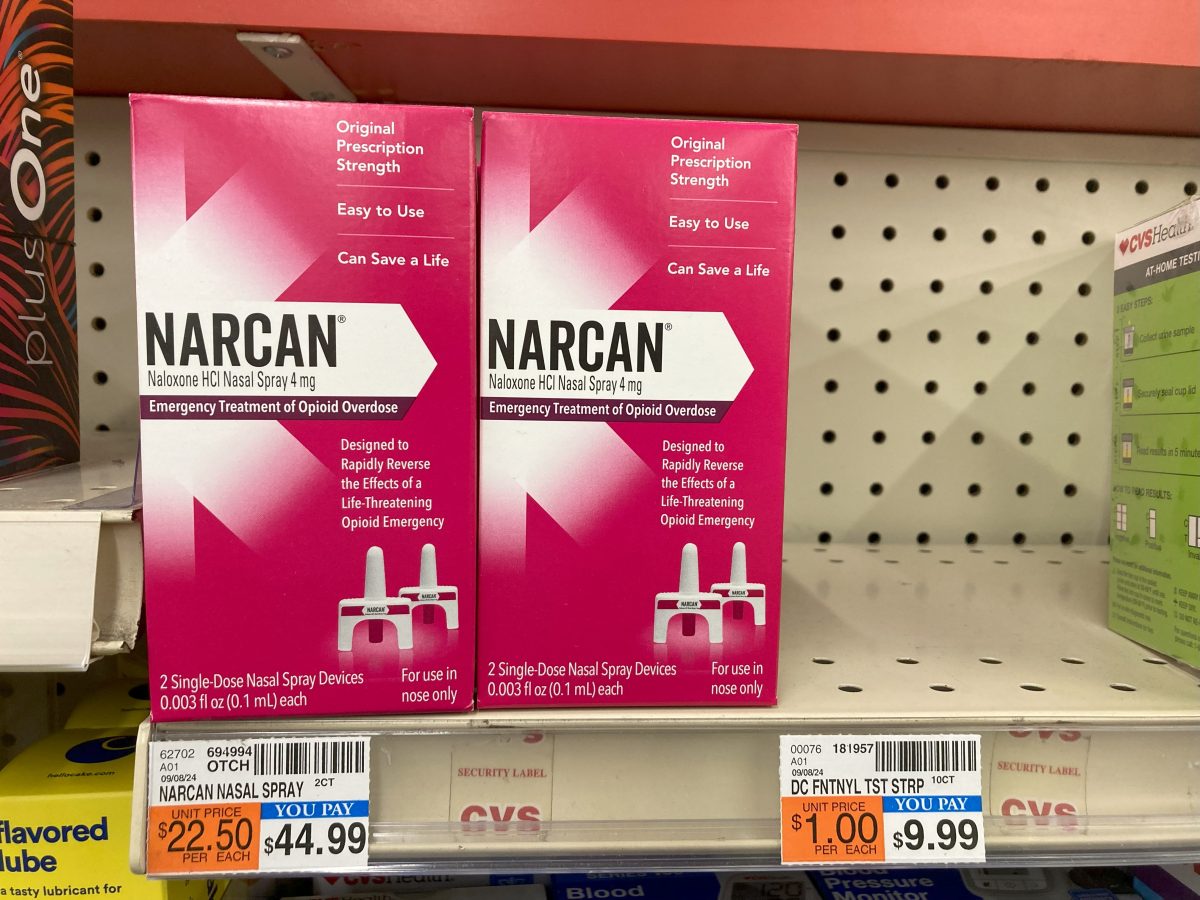
Han said that ageist beliefs that older people don’t use drugs means that this population is “constantly overlooked” in screening for substance use and in receiving harm reduction tools such as the opioid reversal medication naloxone, and treatment or substance use disorders.
Sadly, he said, clinicians often don’t talk about drug and/or alcohol use with their older patients and the problems “go unrecognized or untreated until it is too late.”
To learn more about resources for older adults with substance use disorders or to help someone in crisis text 988 or chat at 988lifeline.org.
Health reporter Lynn Arditi can be reached at larditi@thepublicsradio.org.
